Iran War Divides Muslim Communities in the Philippines
May 30, 2026 • Al Jazeera
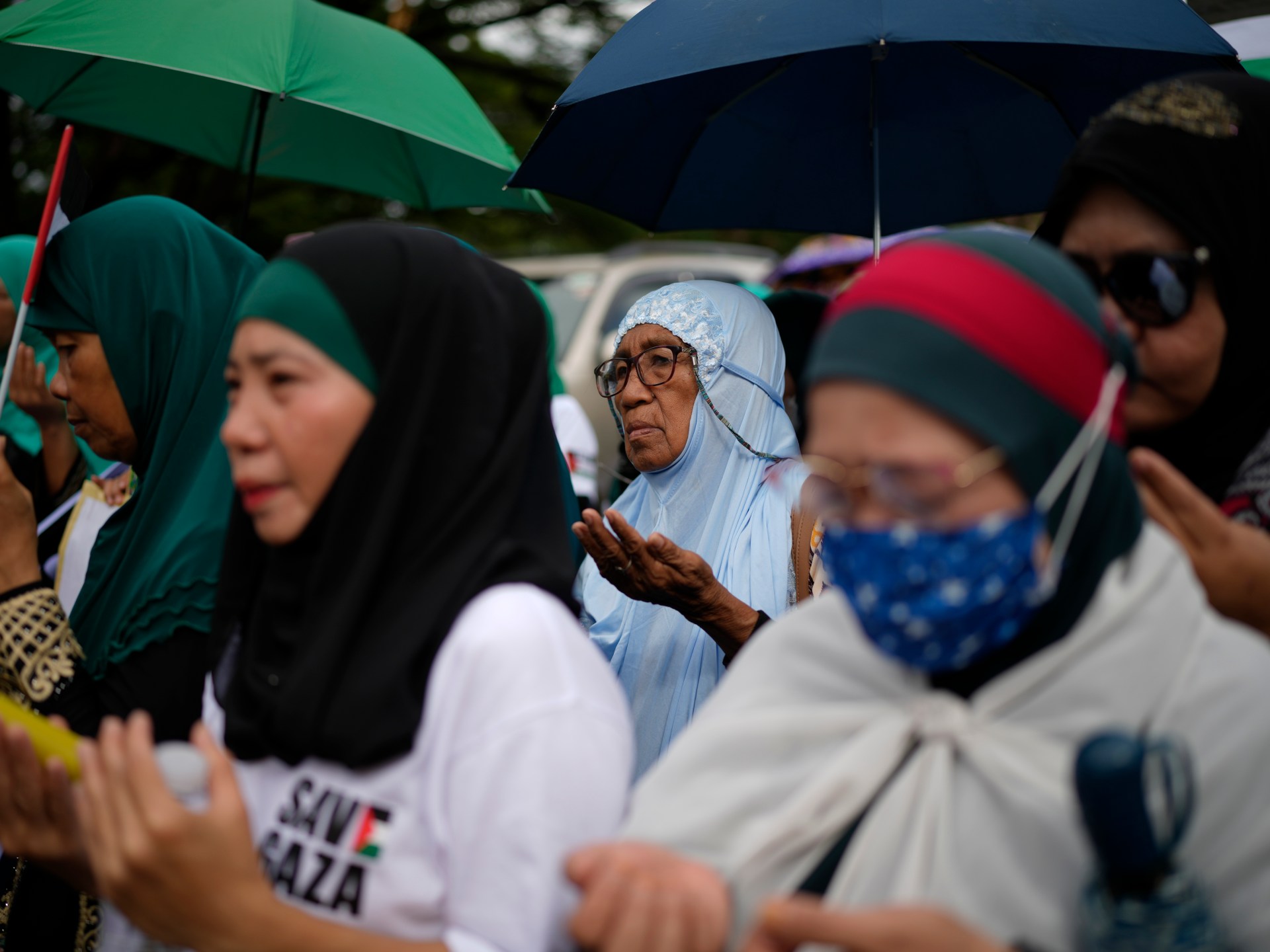
US-Israeli Conflict Affects Southeast Asia
A recent escalation in tensions between the US and Iran has had far-reaching effects across the globe. The conflict has led to a shortage of oil, liquified petroleum gas, and other essential products exported through the Strait of Hormuz, causing economic disruptions in Southeast Asia. The Philippines was the first country to declare a state of emergency due to the shortages, but it has yet to alleviate the situation.
Protests against rising prices have been frequent, with demonstrators expressing their discontent. However, the impact of the conflict extends beyond socioeconomic issues. In the Bangsamoro Autonomous Region, the conflict has deepened polarization among local Islamic scholars, threatening community cohesion.
On social media and in public, two camps emerged in response to the war. One camp supported Iran’s retaliatory actions against the US and its targeting of bases in neighboring countries, while the other opposed Iran, citing its Shia affiliation as a reason for hostility towards Sunni communities.
This division is not new among Bangsamoro’s Islamic scholars, who have historically held differing views on geopolitical issues. The recent Abraham Accords, which established diplomatic relations between Israel and several Arab nations, have further exacerbated these divisions.
The conflict has also led to disagreements over the Palestinian issue, with some scholars presenting mobilization for Palestine as an Iranian plot. This narrative clash deepened after Hamas carried out an attack on Israel on October 7, 2023, with some scholars echoing Western media and pro-Zionist narratives.
Islamic scholars are involved in this clash of narratives, but it is not a mere theological debate. Rather, it reflects the entanglement of politics and religion in the postcolonial era. External forces and dominant politico-theological frameworks from Arab countries are being imported into local discourse, largely due to the education of some scholars in certain Gulf countries.
This dynamic has significant internal consequences, including the creation of an indirect assumption among followers that their leaders’ views on religion and politics are authoritative.
Source: Al Jazeera