Iran War Hits Gulf Economies with Rising Recession Risk
March 17, 2026 • Al Jazeera
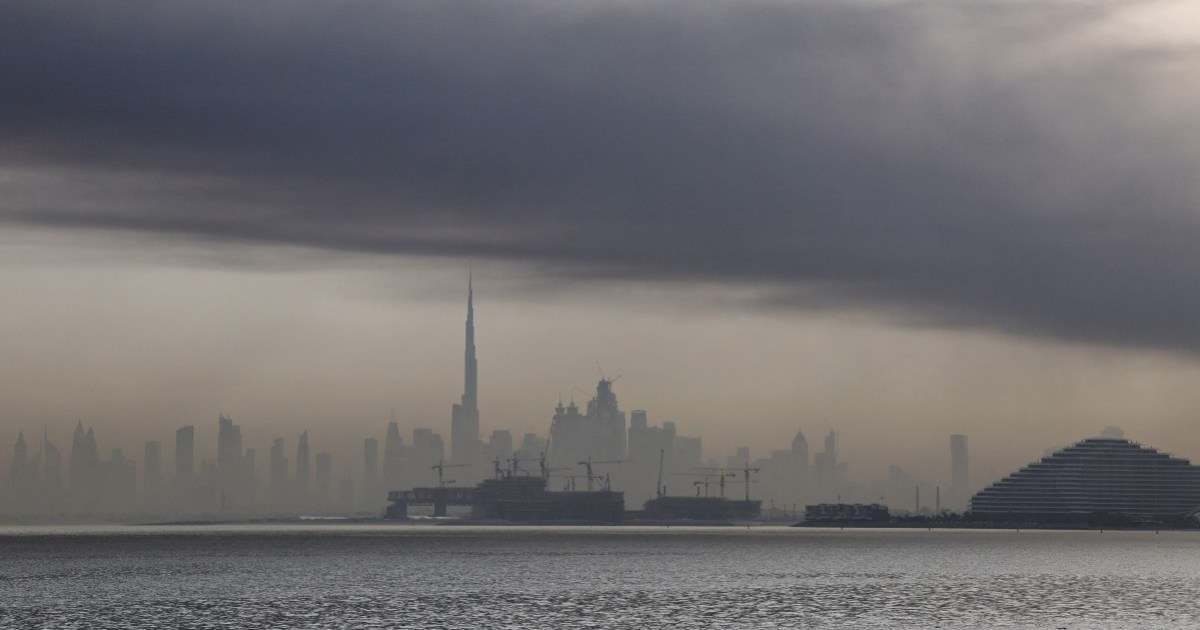
Gulf Nations Face Economic Downturn Amid Ongoing Conflict
A prolonged conflict in the Middle East is having a significant impact on the economies of Gulf nations, with energy exports, tourism, and travel being particularly affected. Since February 28, Iran has launched continuous attacks on Gulf states, claiming that it is targeting military bases used by the US for the war. However, Gulf nations have rejected Tehran’s claims, stating that the attacks are unjustified.
The Iranian strikes have resulted in disruptions to energy production, aviation, tourism, shipping routes, and energy exports. This has led to increased insurance premiums and freight costs, resulting in significant economic losses. According to Khaled Almezaini, an associate professor of politics and international relations at Zayed University in Dubai, the region is likely losing hundreds of millions of dollars per day in economic activity.
The conflict has already had a substantial impact on the region’s economy, with Middle Eastern oil producers’ daily output declining from 21 million barrels to 14 million barrels. Rystad Energy predicts that output could drop further if commercial shipping continues to avoid the Strait of Hormuz due to Tehran’s threats. In a worst-case scenario, output is expected to decline to 6 million barrels per day.
The Gulf Cooperation Council member states, including Qatar, Kuwait, Bahrain, Saudi Arabia, the UAE, and Oman, still rely heavily on oil production for their economies. However, some countries are better positioned due to their investment in infrastructure that allows them to partially bypass the Strait of Hormuz. Goldman Sachs estimates that Qatar and Kuwait could see their GDPs decline by 14 percent if the war lasts until the end of April.
S&P Global Ratings has affirmed a “stable outlook” for Qatar, citing the country’s large financial buffers as a key factor in mitigating the economic impact. Meanwhile, Capital Economics suggests that GDPs in the region could fall 10 to 15 percent if the conflict lasts at least three months and causes lasting damage to energy infrastructure.
Iraq, which borders the Gulf but is not a member of the GCC, has also been affected by the energy crisis, with the Iraqi government losing an estimated $3 billion in daily revenues due to a 70 percent decline in petroleum output.
Source: Al Jazeera