Iran War Oil Crisis Continues Despite Empty Ships and Shut Wells
April 8, 2026 • Al Jazeera
US-Israel Conflict Brings Oil Market Downturn
A ceasefire agreement between the US and Iran has led to a significant decrease in oil prices, with prices dropping from over $110 to $92 per barrel on Wednesday. The agreement, which was reached after 40 days of fighting, includes a two-week ceasefire period during which shipping through the Strait of Hormuz is expected to resume.
The Strait of Hormuz, which accounts for 20% of global oil and gas shipments, has been closed since the start of the conflict, causing global energy prices to rise. However, with the agreement in place, oil prices have begun to fall.
According to shipping data from Kpler, combined exports from Iraq, Kuwait, Oman, Qatar, Saudi Arabia, and the United Arab Emirates fell by 44% between February and March, resulting in a loss of 206 million barrels of oil. The decline was sharp but uneven across the six countries, with some nations hit harder than others.
Iraq’s crude exports were particularly affected, falling 82% from February to March. Kuwait and Qatar also saw significant declines, with 75% and 70% reductions, respectively. Saudi Arabia and the UAE managed smaller proportional declines, partly offset by floating storage and pipelines that avoid the Strait of Hormuz.
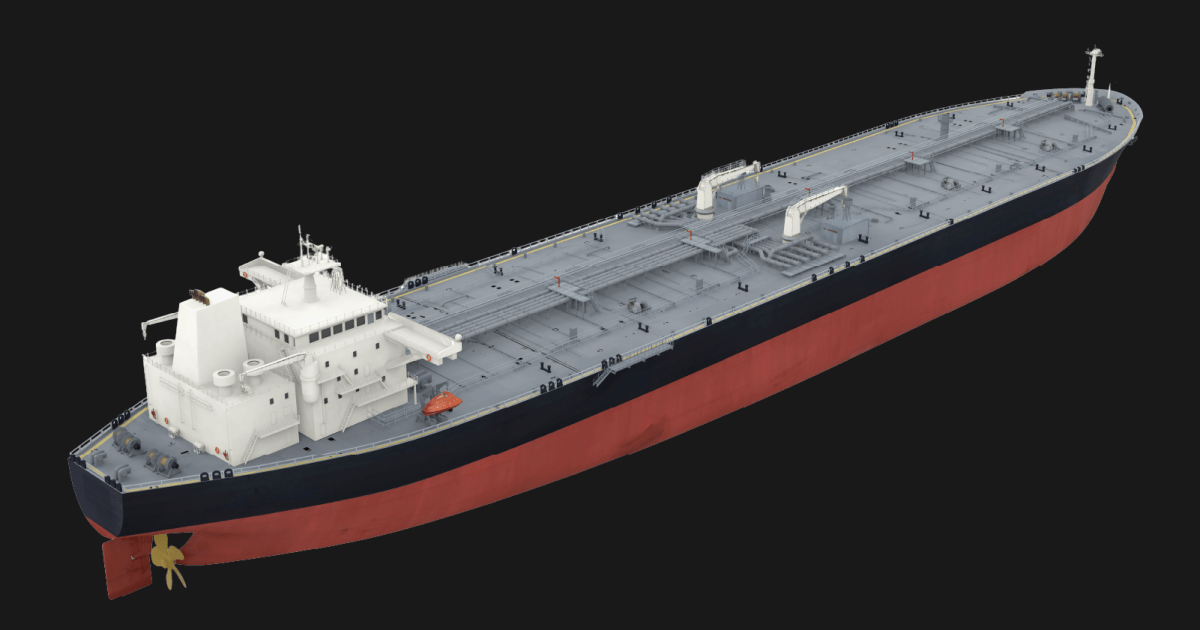
The lost oil production is equivalent to filling approximately 103 Very Large Crude Carriers (VLCCs), which are among the largest ships in the global energy trade. Economists warn that the impact on grocery bills will likely persist throughout 2026 and into 2027, and it may take years for the Gulf energy industry to repair damaged facilities.
The ceasefire agreement provides a vital release valve for energy, but delays in restarting production and transport mean that the energy crisis is far from over.
Source: Al Jazeera