Irans Cluster Munitions Pose Threat to Israeli Defences
March 24, 2026 • Al Jazeera
Israel and Iran Engage in Conflict Over Cluster Bomb Use
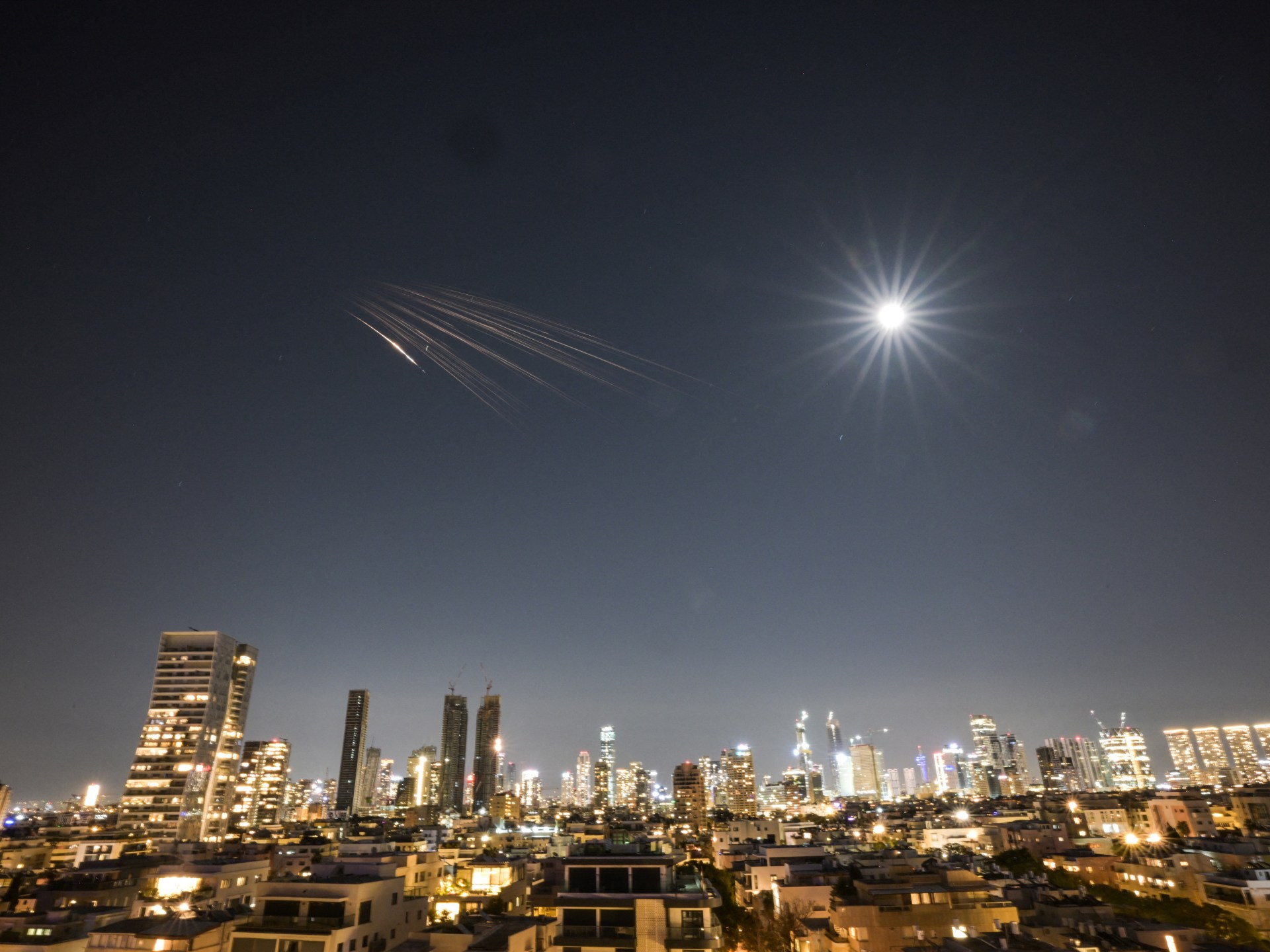
On March 17, Israel carried out an assassination targeting Iranian security chief Ali Larijani, sparking a retaliatory attack by Iran. The Islamic Revolutionary Guard Corps (IRGC) described the attack as “revenge” for his death. The overnight assault deployed multiple-warhead missiles that can evade defense systems and resulted in two fatalities in the Ramat Gan area near Tel Aviv.
According to reports, falling shrapnel injured several people and caused significant property damage, including at a Tel Aviv train station. Al Jazeera reported that the victims were a couple in their 70s who had a safe room but were unable to reach it in time due to concerns about air raid sirens not sounding quickly enough.
Analysts have raised concerns about the use of cluster munitions by both Israel and Iran. Uzi Rubin, founding director of Israel’s missile defence programme, stated that Iranian cluster warheads disperse multiple “bomblets” with a potential for wider damage than conventional warheads. Rubin explained that these warheads can contain 20 to 30 or 70 to 80 bomblets, depending on the type of missile.
Iran has been accused of using cluster munitions in its 12-day war with Israel in June and has also developed a large and varied missile programme. The programme includes ballistic and cruise missiles, as well as surface-to-air and antiship cruise missiles. Details about Iran’s munitions are limited, but it is believed that the country possesses various systems, including the Shahab-3, Emad, Ghadr-1, and Khorramshahr variants.
In recent days, Iran has fired multiple missiles at Israel and other targets, including a joint US-United Kingdom military base in the Indian Ocean. The UK reported that an Iranian missile attack failed to hit its target, while an Iranian official denied firing the missile.
Source: Al Jazeera