Irans Control Over Hormuz Strait Remains Crucial for Global Energy Supplies
May 5, 2026 • Al Jazeera
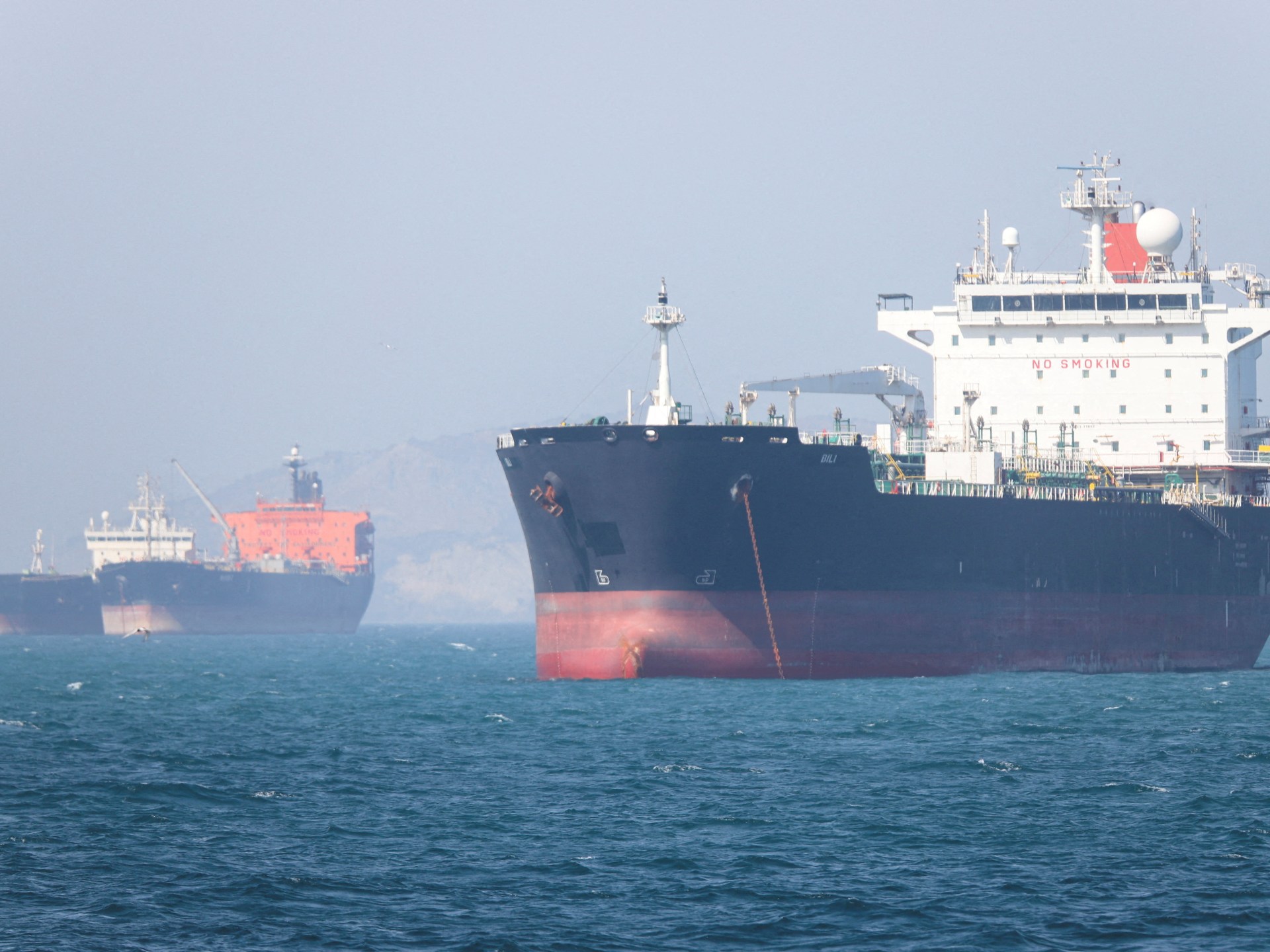
Iran Releases Map Marking Expanded Maritime Area of Control
A new map released by Iran’s Revolutionary Guard Corps (IRGC) on Monday marks an expanded maritime area of control, including sections of the United Arab Emirates’ coastline. The map features two red lines stretching beyond the Strait of Hormuz, a vital passageway for approximately a quarter of global seaborne oil trade.
The announcement comes after US President Donald Trump launched a new effort to open the strait by sending naval escorts through the area, dubbed “Project Freedom”. In response, the UAE reported drone and missile attacks on Monday, including one that caused a fire at a major energy hub in Fujairah. The UAE blamed Iran for the attacks.
Iran has not officially confirmed the strike, but appeared to acknowledge its involvement on Tuesday. Iranian Parliament Speaker Mohammad Bagher Ghalibaf stated that “the continuation of the current situation is unbearable for the United States”. Experts say Iran’s control of the Strait of Hormuz provides significant leverage in negotiations with Washington, as it can impose economic costs on the US and other countries.
The strait’s importance lies in its role in global energy trade. Disruptions to maritime traffic have affected energy markets, maritime transport, and global supply chains. Analysts describe Iran’s control of the Strait of Hormuz as a “strategic equaliser”, allowing it to signal that pressure on Iran will not be confined to the country.
Iran’s use of mines, missiles, drones, and other tactics can make transit through the strait risky without a total closure. Experts say this uncertainty alone can raise oil prices, increase shipping costs, and transmit the conflict into financial markets.
Source: Al Jazeera