Irans Economy Faces Crisis Amid Deadly Protests Over Economic Struggles
January 16, 2026 • Al Jazeera
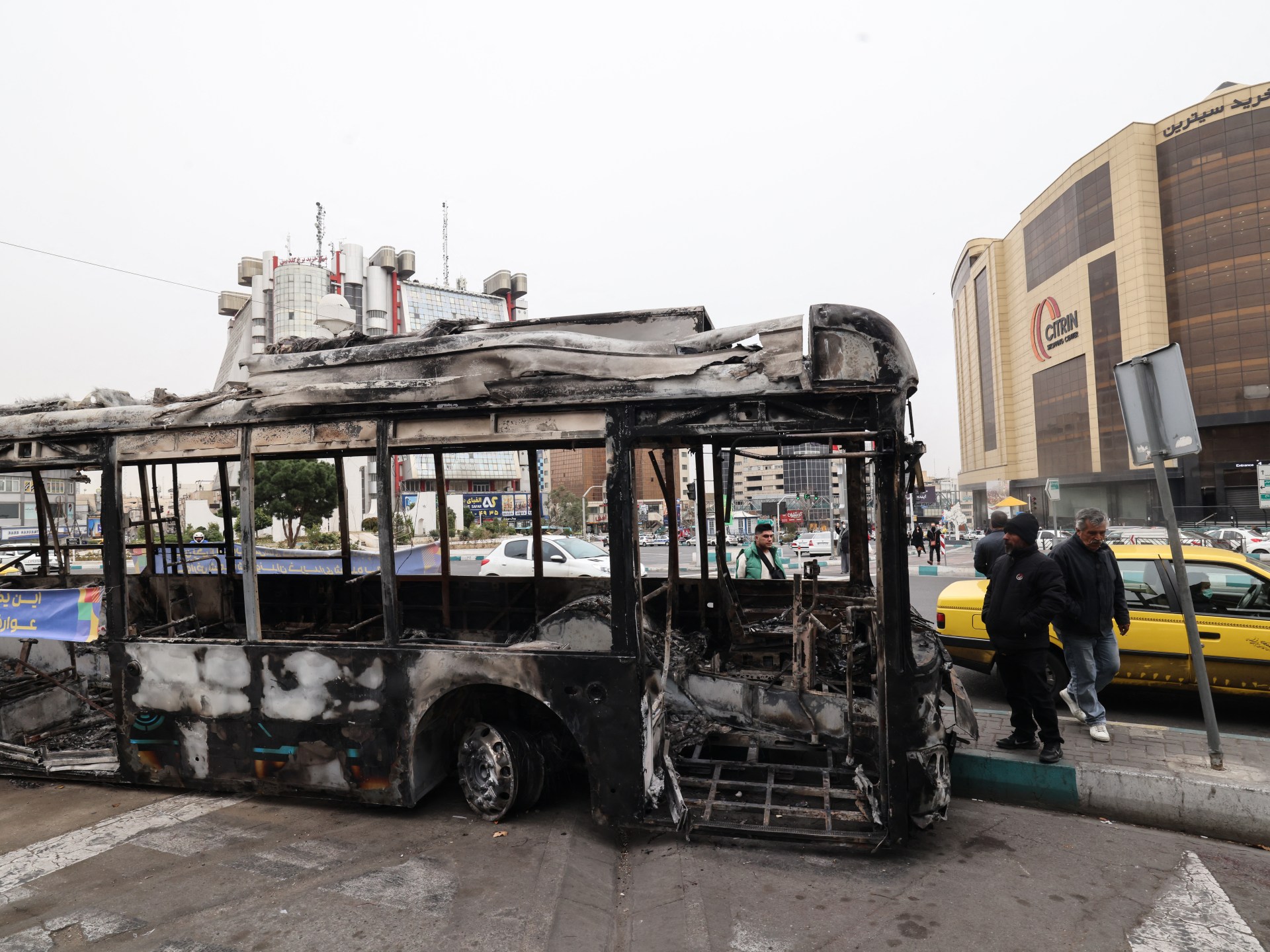
Tehran Protests Continue Amid Internet Blackout
Protesters in Tehran’s grand bazaar shut their stores four weeks ago, citing economic concerns. The shutdown was followed by mass demonstrations against the country’s clerical rulers. However, the protests have largely subsided, with many participants staying home following reports of deaths and detentions.
The Iranian government has not released an official death toll, but estimates vary widely. The Human Rights Activists News Agency (HRANA) reported 2,615 deaths on Wednesday. Iran’s government claims the numbers are exaggerated.
US President Donald Trump threatened to take action if killings continued, but later appeared to back down after receiving assurances from Tehran that the killings would stop and executions of detained protesters would not occur.
The economic conditions that prompted the initial protest have worsened. Decades of corruption and mismanagement, combined with international sanctions and economic sanctions, have contributed to the country’s economic distress. Environmental problems, including water shortages, power outages, and air pollution, have also exacerbated the situation.
The value of the Iranian rial has remained low since its near-collapse on December 28. Banking ATMs are offline, flights and currency transactions are limited, and the National Information Network, Iran’s state-controlled domestic intranet, is shut down.
According to experts, Iran’s economy has been severely impacted, with estimates suggesting a loss of around $20 billion to $90 billion over the past year. The country’s economy has undergone significant changes since the 1979 Islamic revolution, largely due to war, sanctions, and shifting economic priorities. Economic sanctions imposed by the US and other countries have played a central role in Iran’s economic collapse.
The situation remains uncertain, with tensions between the US and Iran still present.
Source: Al Jazeera