Irans former FM Zarif outlines proposed peace plan with the Gulf region
April 5, 2026 • Al Jazeera
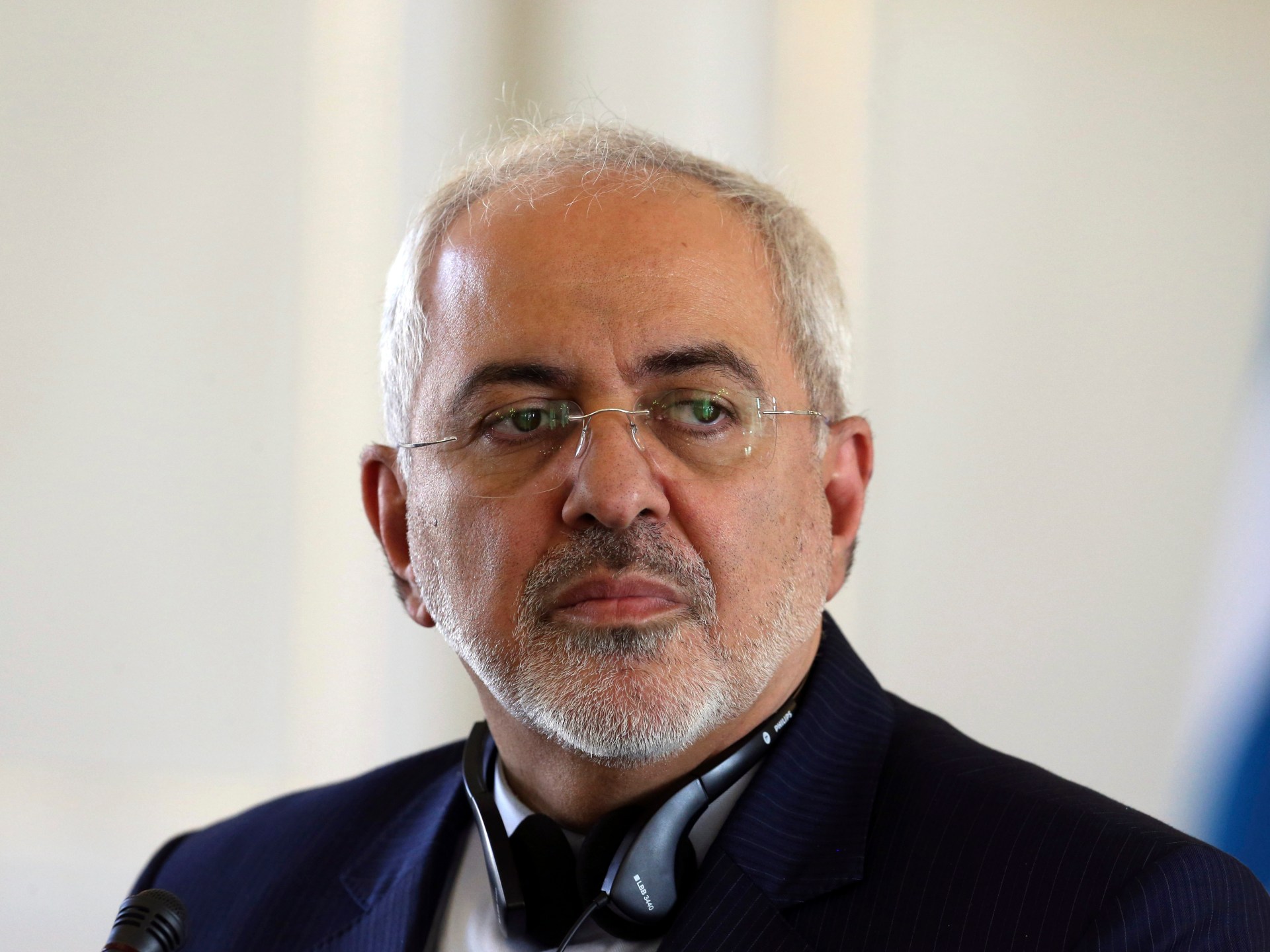
Former Iranian Foreign Minister Mohammad Javad Zarif has proposed a plan for ending the conflict in the Middle East, which involves limits on Iran’s nuclear program under international monitoring and the reopening of the Strait of Hormuz in exchange for an end to sanctions.
The plan was published by Foreign Affairs magazine on Friday and outlines a roadmap for a ceasefire. According to Zarif, prolonging the conflict would result in further loss of civilian lives and destruction of infrastructure. Instead, Iran should offer to “place limits on its nuclear program” under international monitoring, including a commitment to never seek nuclear weapons and blending its entire stockpile of enriched uranium so that enrichment levels fall below 3.67 percent.
The International Atomic Energy Agency (IAEA) estimates that Iran has approximately 440kg of uranium enriched to 60 percent, a level at which uranium can be quickly enriched to the 90 percent threshold needed to produce a nuclear weapon. Zarif also proposed that Iran accept a mutual nonaggression pact with the United States, in which both countries pledge not to strike each other in the future.
The US has presented Iran with a 15-point plan for a ceasefire, but there have been no signs of progress on the diplomatic front. Zarif’s proposal suggests that China and Russia could help create a regional fuel-enrichment consortium with Iran and its Gulf neighbors at West Asia’s sole enrichment facility. He also proposed that Gulf states, UN Security Council powers, and possibly Egypt, Pakistan, and Turkey form a regional security framework to ensure nonaggression, cooperation, and freedom of navigation.
In addition, Zarif suggested that Iran and the US initiate mutually beneficial trade, economic, and technological cooperation. The proposal was met with criticism from officials in Gulf states, who argued that it overlooked Tehran’s attacks against its neighbors.
Source: Al Jazeera