Irans Leadership Continues Under Supreme Leader Ali Khameneis Guidance
March 20, 2026 • Al Jazeera
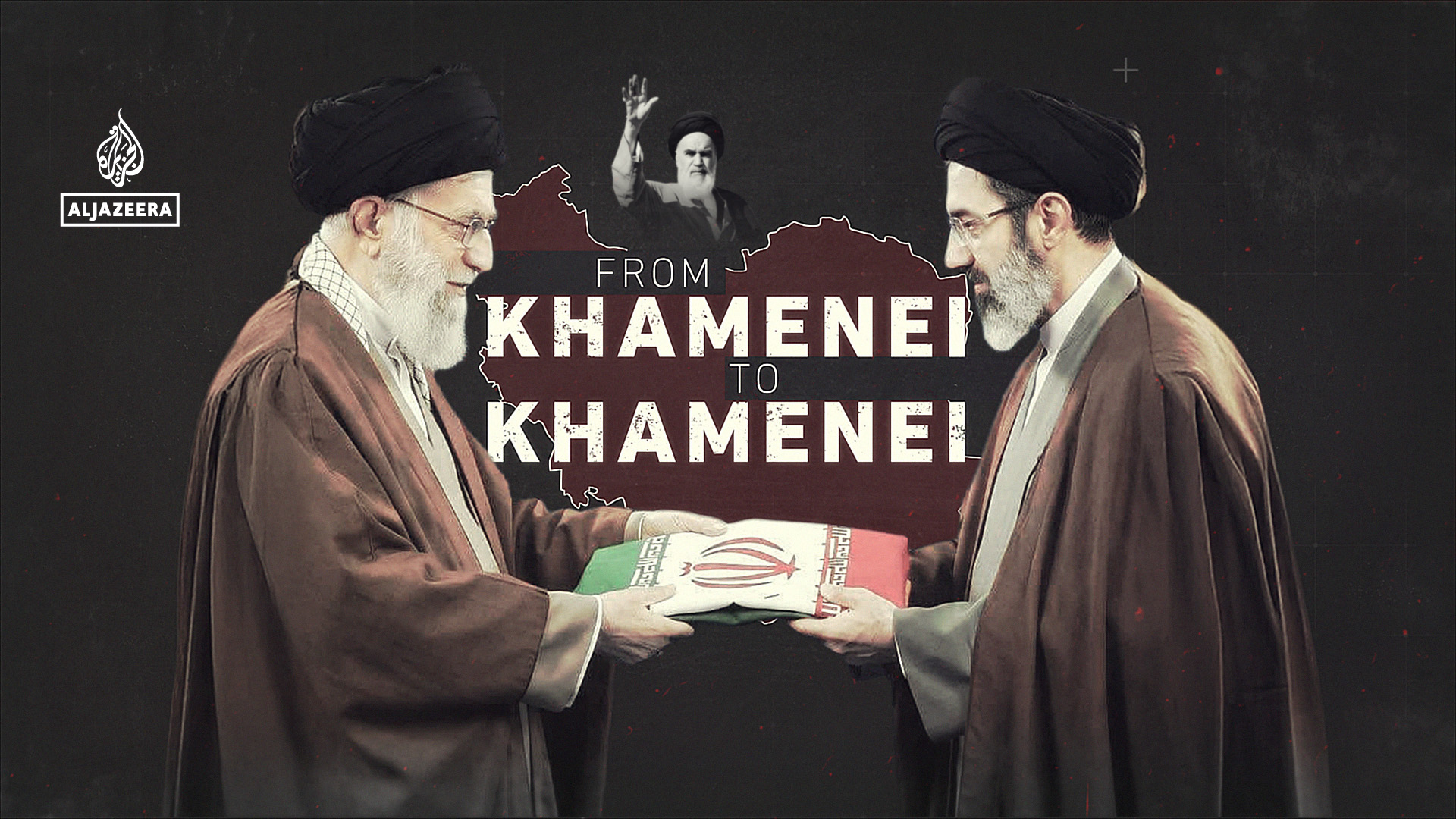
Iran’s Power Structure: A Complex System of Governance
The Islamic Republic of Iran has a unique power structure that was established after the 1979 Islamic revolution led by Ayatollah Ruhollah Khomeini. The system is based on the concept of the supreme leader, who sits above all institutions in the country and shapes decisions across government, the military, and the Islamic Revolutionary Guard Corps.
The current supreme leader, Ali Khamenei, has been instrumental in transforming this revolution into a complex political and security structure. He has held significant power since 1989 and has played a crucial role in shaping Iran’s foreign policy and domestic politics.
Mojtaba Khamenei, the son of Ali Khamenei, has been elected as the new supreme leader, marking a rare and controversial succession. This change brings about questions over how Iran will be governed, how the IRGC will influence decision-making, and whether the system can withstand both internal pressure and external conflict.
The supreme leader’s position is designed to endure beyond any single leader, with a complex system of checks and balances in place. The supreme leader has significant authority, but also faces limitations imposed by the constitution and other institutions.
As Mojtaba Khamenei takes power, it remains to be seen how Iran will navigate its internal dynamics and external challenges. The country’s future governance and security structures are uncertain, and the international community is watching with interest as the situation unfolds.
Source: Al Jazeera