Irans Leadership Crisis Leaves Uncertainty Over Succession Plan
March 22, 2026 • Al Jazeera
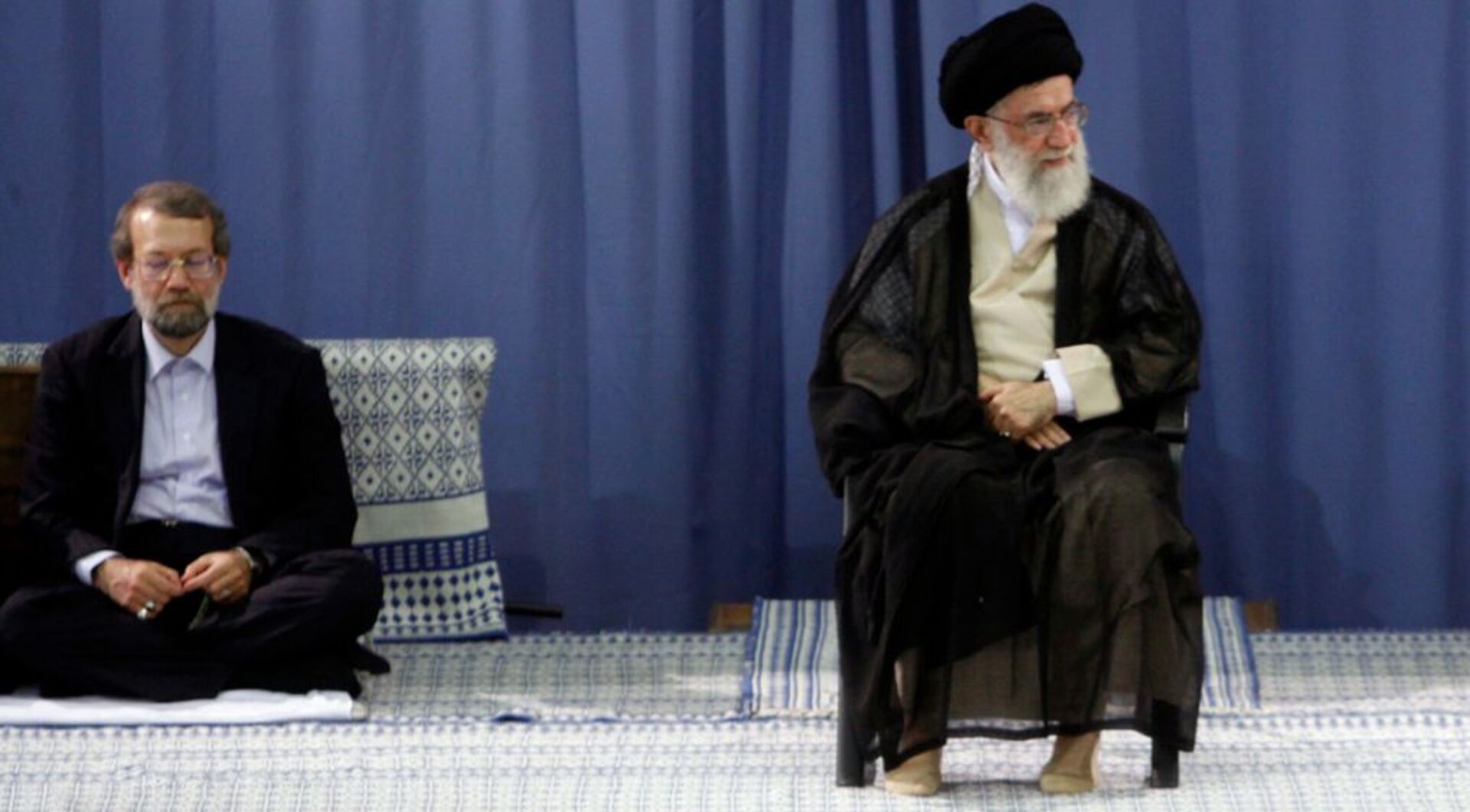
Tehran’s Leadership Structure: A System Designed for Resilience
The assassination of high-ranking officials in Tehran, including Supreme Leader Ali Khamenei, has been attributed to the United States and Israel by US President Trump and Israeli Prime Minister Netanyahu. However, Iran claims its governance structure is designed to withstand such attacks.
According to Iranian officials, the country’s leadership system is based on a complex network of institutions and positions that are not dependent on individual leaders. This means that even if one leader is removed, others can take their place and maintain continuity.
The Iranian government has a multi-layered structure, with various branches and agencies that work together to govern the country. The Supreme Leader serves as the head of state and commander-in-chief of the armed forces, but other officials hold significant power and influence.
Experts say that Iran’s leadership structure is designed to be resilient in the face of external threats. Hamid Reza Gholamzadeh, director of House of Diplomacy, a think tank, notes that “the loss of any individual should not lead to the downfall of the system.” Ali Vaez, director of the Iran Project at the International Crisis Group, adds that “Iran’s governance structure is designed to withstand such blows.”
The implications of this leadership structure for the ongoing war between Iran and its adversaries are unclear. However, it is clear that Iran’s government has a robust system in place to maintain continuity and stability.
Source: Al Jazeera