Irans Leadership Remains Unchanged Amid Rumors of Khameneis Health
April 1, 2026 • Al Jazeera
Iran’s New Supreme Leader: A Structural Shift in Power Consolidation
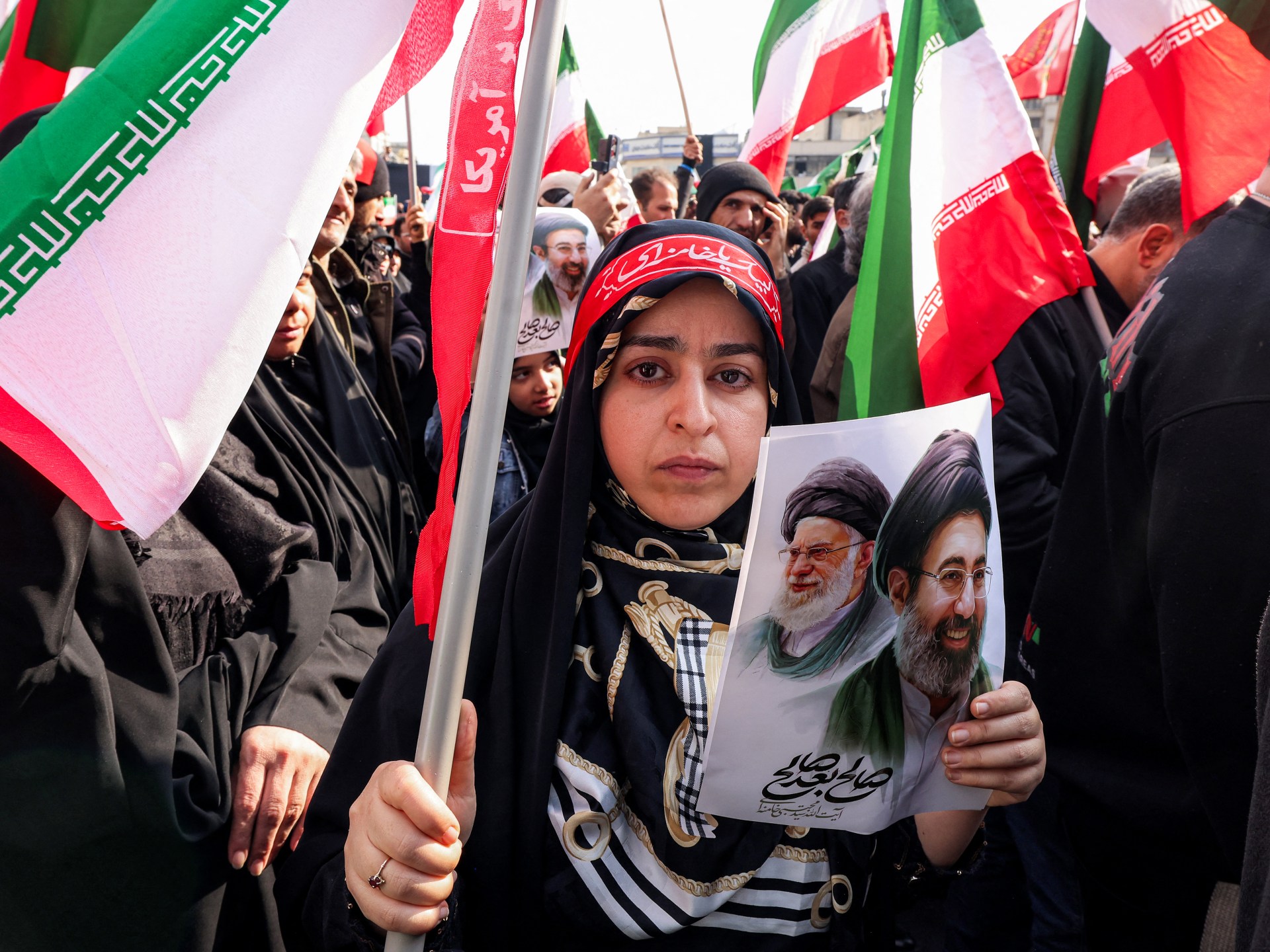
Mojtaba Khamenei has been named Iran’s new supreme leader, following a period of speculation about his health and potential succession. The announcement marks the continuation of a broader regime of securitised rule in Iran.
The power consolidation underway in Iran is not solely driven by personal factors, but rather by structural changes to the country’s political economy. Following the end of the war with Iraq in 1989, Iran underwent a period of “market-oriented restructuring,” which saw public assets transferred into the hands of quasi-state conglomerates and parastatal foundations.
The military-bonyad complex emerged as a result of this process, with security-linked conglomerates benefiting from the transfer of state assets. By the end of the 2000s, this process had produced a dense bloc linking coercive institutions to parastatal capital, dominating major sectors of the economy and extending its reach across the unelected core of the state.
The United States’ imposition of sanctions on Iran has not reversed this transformation, but rather deepened it. Sanctions have inflicted damage on the broader economy while selectively empowering security-linked conglomerates and intermediaries. As access to formal trade and finance narrowed, shadow networks and protected channels gained greater strategic and economic value.
This shift in power consolidation is situated within a broader context of socialised costs, borne by ordinary Iranians through inflation, unemployment, and rising inequality. The uprisings of the past decade, including protests in 2017 and 2019, must be understood within this setting.
Source: Al Jazeera