Irans Legal Case Collapses Under Scrutiny in Gulf Dispute
March 7, 2026 • Al Jazeera
Here is the rewritten article in a neutral newsroom style:
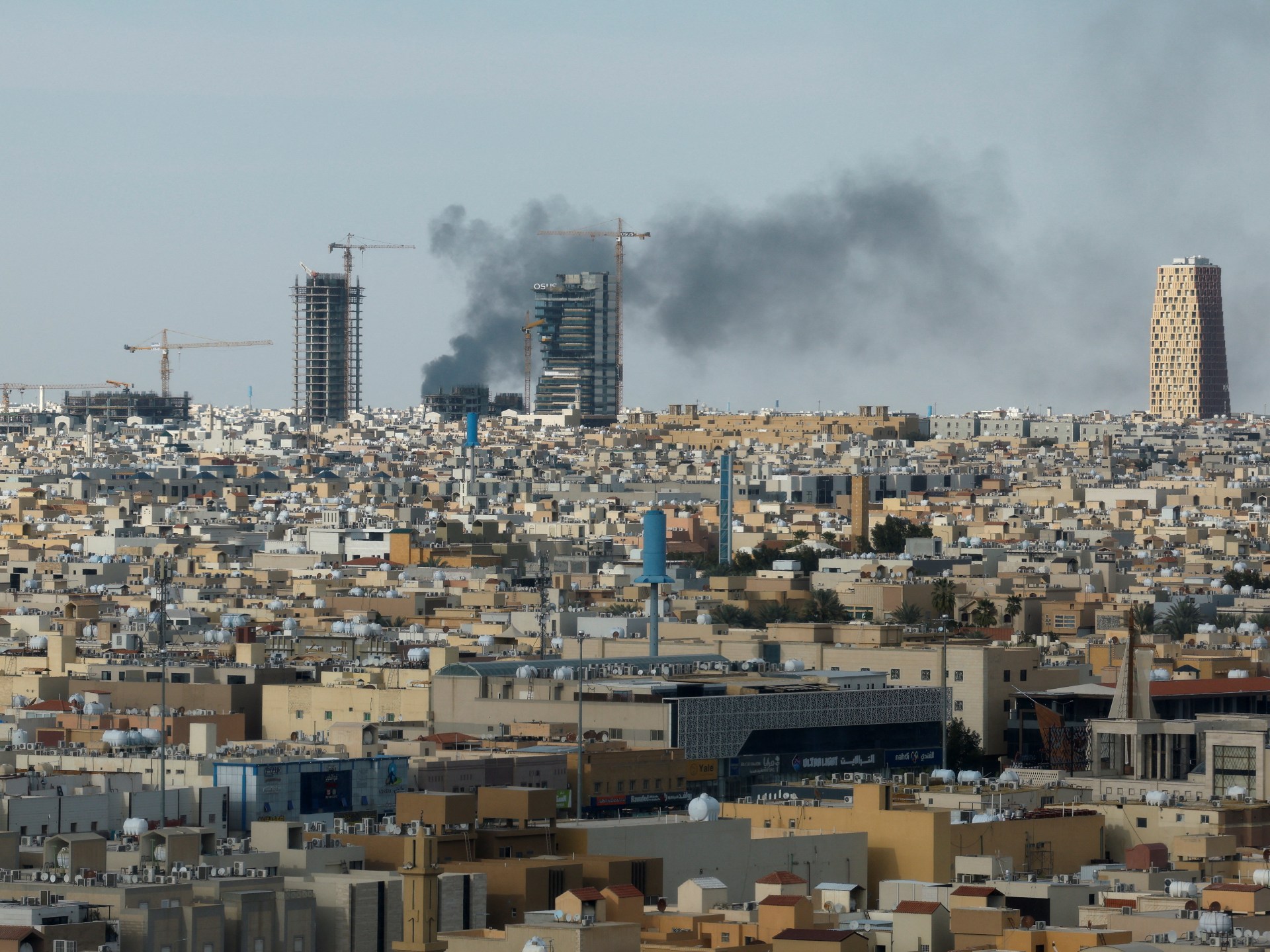
Gulf States’ Missile Attacks on Neighbouring Countries Raise Legal Concerns
The Gulf region has been engaged in efforts to broker peace between Iran and Western countries, with Qatar facilitating nuclear talks, Oman providing back-channel diplomacy, and Saudi Arabia maintaining direct dialogue with Iran through 2024 and into 2025. However, despite these attempts at reconciliation, Iran has continued to attack its neighbours.
Iran’s position on the issue is based on three key arguments: that it acted in lawful self-defence under Article 51 of the UN Charter; that host countries relinquished territorial sovereignty by allowing US military bases on their territory; and that the definition of aggression in Resolution 3314 justifies the attack on those bases as a lawful military objective.
However, experts argue that each of these arguments is legally flawed, factually skewed, and tactically wrong. The UN Charter permits the use of force only in self-defence against an “armed attack”, which is not defined by reference to the state invoking it. International Court of Justice rulings have also interpreted this requirement restrictively.
In light of this, Iran’s actions do not necessarily constitute a lawful response to perceived threats from Western countries. The mere presence of foreign military bases in Gulf states does not automatically amount to an armed attack against Iran. Additionally, Iran has not demonstrated that its actions are necessary and proportional, as required by customary international law.
Furthermore, Article 51 of the UN Charter requires immediate notification to the Security Council in cases of self-defence, which Iran has consistently evaded. This omission raises questions about whether Iran is genuinely employing self-defence or simply exploiting the language of the article for its own purposes.
The implications of this situation are significant, with potential long-term destabilization of the region and erosion of basic principles of international law.
Source: Al Jazeera