Irans Main Opposition Groups Identified by Authorities
January 12, 2026 • Al Jazeera
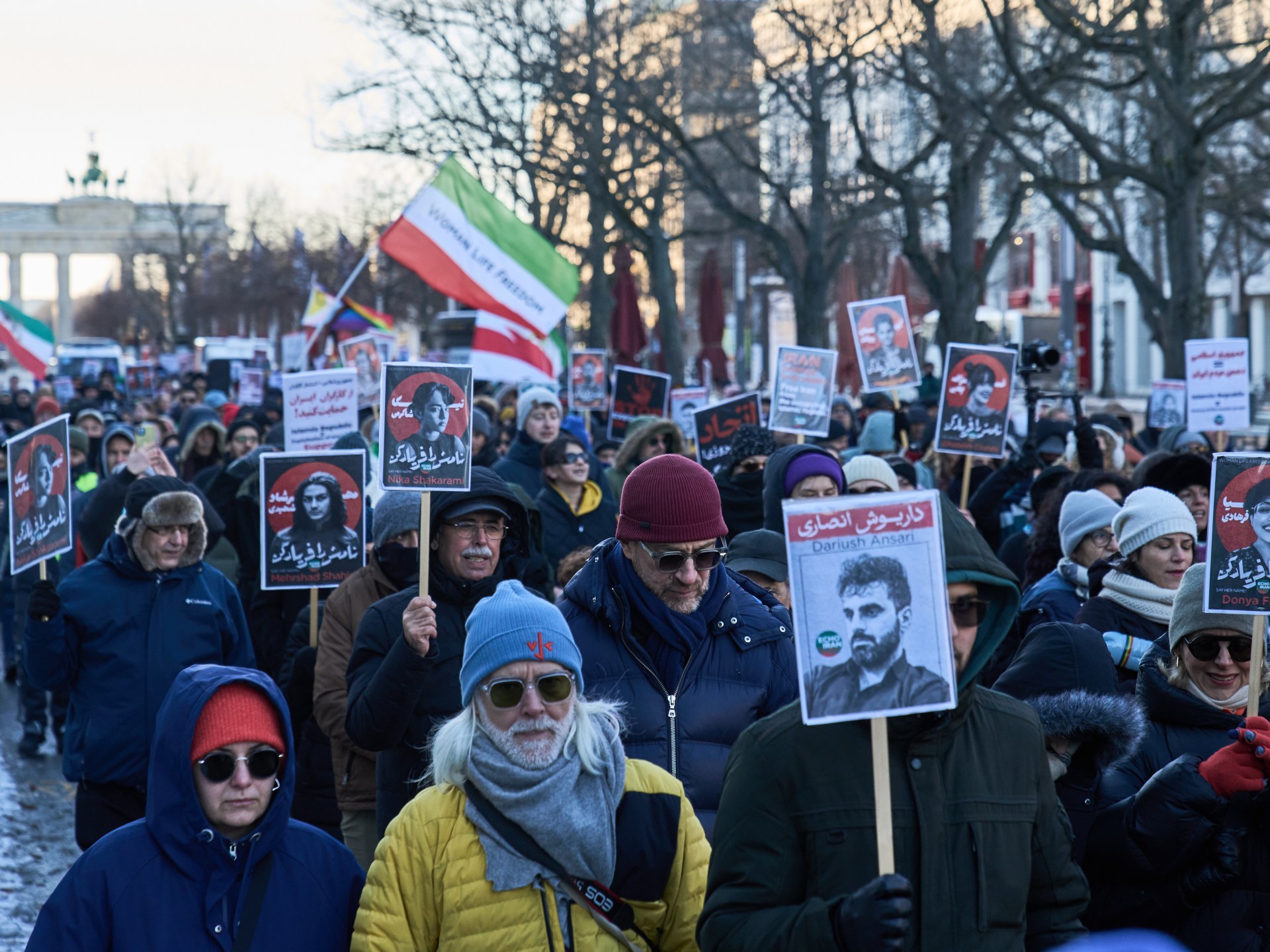
Iran’s opposition movement is fragmented, with figures living abroad playing a significant role. Reza Pahlavi, the heir of the former monarch, is among those who have expressed dissent from outside Iran. Protests in the country began in late December over rising prices and have since evolved into a broader challenge to the ruling authorities.
According to state media, more than 100 security personnel have been killed in recent days, while opposition activists claim the death toll is higher, with dozens of protesters also reported dead. The accuracy of these figures cannot be independently verified.
The opposition movement in Iran is diverse and includes individuals living both inside and outside the country. Groups in other nations, such as the United Kingdom and Germany, have organized rallies to show solidarity with protesters in Iran. However, there is currently no unified opposition group that could potentially form a government.
Experts note that opposition groups within Iran and abroad are disjointed and have different objectives. Some have clear leaders, while others do not. The lack of a prominent leader within Iran may be due to concerns about reprisals from the authorities.
Historical examples of opposition movements in Iran include the “Green Movement” in 2009, which was sparked by widespread protests against the presidential election results. Other notable figures, such as Mir-Hossein Mousavi and Mehdi Karroubi, have been involved in past opposition efforts but are currently not prominent in the current movement.
Protesters in Iran often rely on networked organizing, mobilizing through student groups, social media platforms, and neighborhood networks to create local groups and leaders. This approach has been seen in other protest movements around the world, such as those in Nepal and Bangladesh.
Iran’s government has a history of suppressing opposition movements, arresting and silencing its leaders. Experts believe that this has contributed to the fragmented nature of the current opposition movement.
Source: Al Jazeera