Irans nuclear program faces intense scrutiny while Israels similar activities receive less attention
April 15, 2026 • Al Jazeera
Here’s a rewritten version of the article in a neutral newsroom style:
Israel’s nuclear capabilities have long been shrouded in secrecy, with the country maintaining an ambiguous stance on its possession of nuclear weapons. In contrast, Iran’s nuclear program has faced intense international scrutiny and diplomatic pressure over the past two decades.
The United States and Israel have engaged in military conflicts against Iran, citing concerns about the country’s potential to develop a nuclear weapon. These conflicts, which include the 12-day conflict in June last year and the recent month of fighting this year, have resulted in significant loss of life for Iranians and contributed to an unprecedented energy crisis.
The disparity in treatment between Israel and Iran has sparked criticism from international observers, who argue that there is a double standard at play. The difference in approach can be seen in various international frameworks, including the Treaty on the Non-Proliferation of Nuclear Weapons (NPT), which has been ratified by 191 United Nations member states.
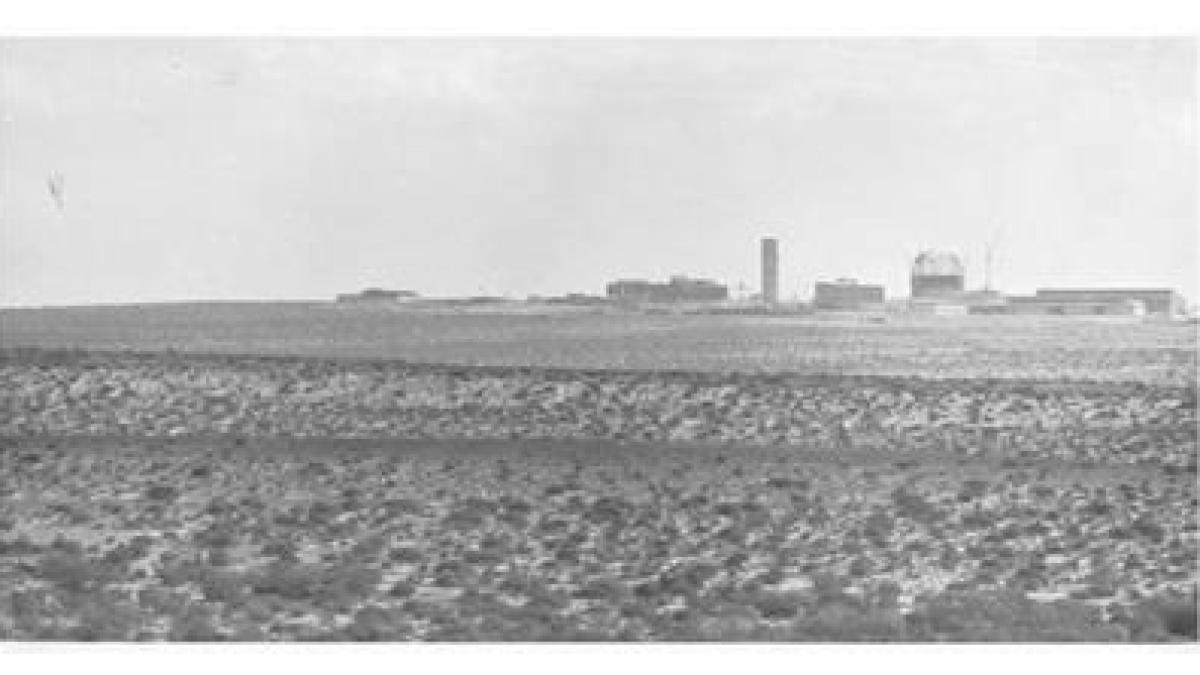
Israel’s nuclear program is believed to have originated in the 1950s under the country’s founding prime minister, David Ben-Gurion. The Dimona nuclear facility in the Negev desert is suspected of producing plutonium for weapons. Estimates suggest that Israel possesses between 80 and 200 nuclear warheads, although exact figures remain unknown.
Israel’s refusal to sign the NPT has contributed to the lack of transparency surrounding its nuclear capabilities. In 1986, a technician at the Dimona facility, Mordechai Vanunu, revealed information about the reactor to the press, leading to his abduction and imprisonment. Israel’s decision not to join the NPT means it is not subject to the same international inspections as member states.
Analysts argue that Israel’s policy of ambiguity serves multiple purposes, including preserving deterrence while avoiding diplomatic, legal, and political costs associated with an open declaration. Shawn Rostker, an analyst at the Constellation Institute, notes that Israel is unlikely to join the NPT in the near future due to its regional security environment and lack of strategic benefit from doing so.
Source: Al Jazeera