Irans ships evade US naval blockade in Hormuz Strait
April 30, 2026 • Al Jazeera
Here is a rewritten version of the article in a neutral newsroom style:
US Naval Blockade of Strait of Hormuz Evasion
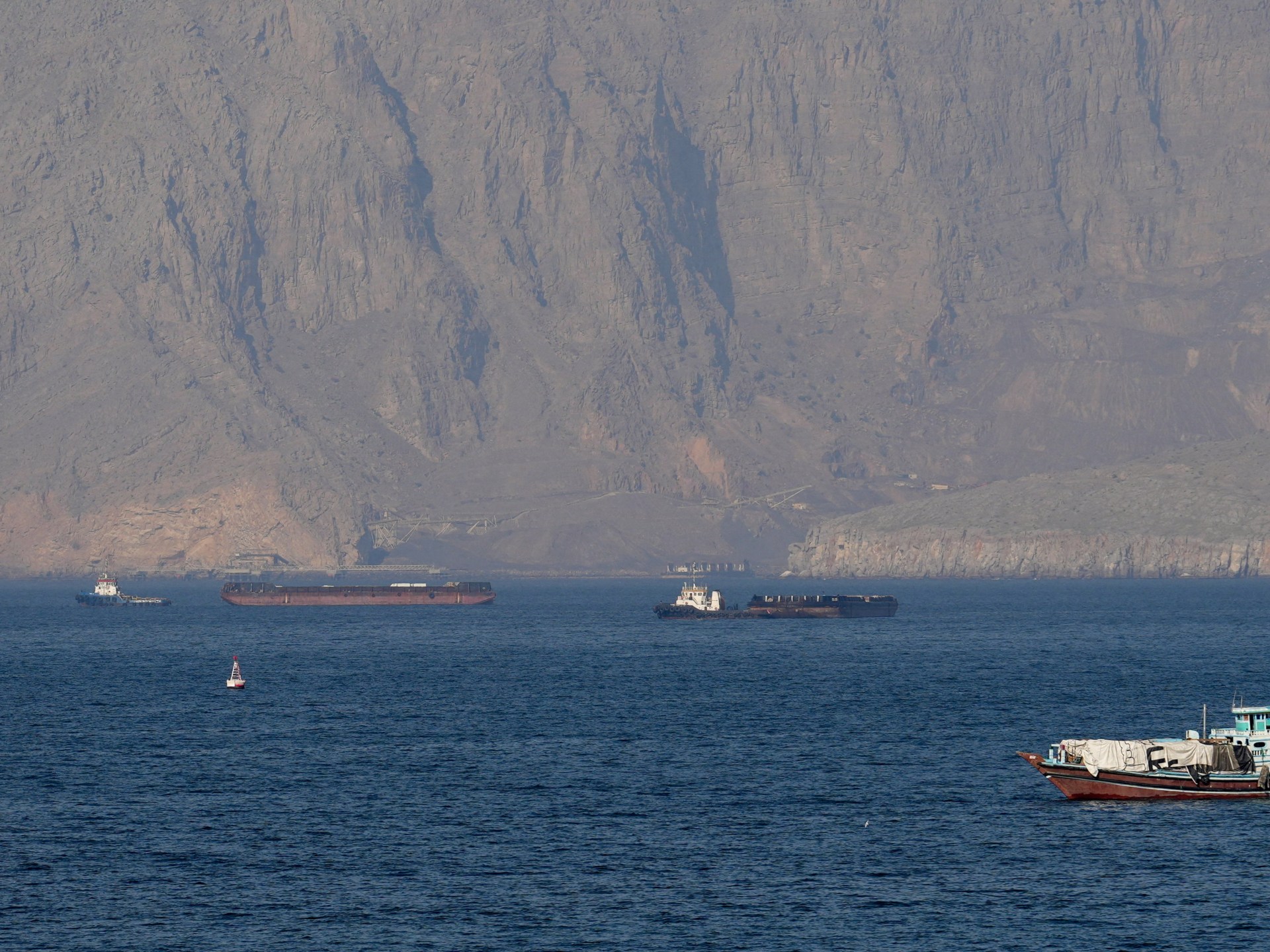
A recent investigation by Al Jazeera’s Digital Investigative Unit has revealed that despite the US naval blockade imposed on Iranian ports, a significant number of vessels continued to navigate through the Strait of Hormuz. The strait, located between Iran and Oman, is a crucial chokepoint for global oil supplies.
On March 11, the Thai cargo ship Mayuree Naree was struck by projectiles while crossing the strait, resulting in a fire that broke out on board. Twenty sailors were rescued, but three remained trapped inside the vessel, which later ran aground on Iran’s Qeshm island. The remains of the trapped sailors were found weeks later.
Around the same time, a “shadow fleet” of tankers continued to operate in the strait, using fake flags, disabled tracking signals, and shell companies to evade detection. The investigation tracked 202 voyages made by 185 vessels through the strait between March 1 and April 15, despite fears of attacks.
The US imposed a full naval blockade on Iranian ports on April 13, following a temporary ceasefire on April 8. However, tracking data shows that many vessels continued to navigate through the strait, with 77 (38.5 percent) directly or indirectly linked to Iran.
The investigation found that 61 of the ships transiting the strait were explicitly listed on international sanctions lists. The shadow fleet’s behavior was analyzed in three phases: immediately after the US blockade took effect, when Iranian cargo ships successfully broke the blockade, and when vessels deliberately disabled their Automatic Identification System (AIS) trackers to hide their identities.
The investigation identified 16 ships operating under fake flags, including registries from landlocked nations. The operational network managing these ships spans the globe, with primary bases in Iran, China, Greece, and the United Arab Emirates. Notably, nearly 19 percent of the observed vessels had unknown operators.
Energy carriers dominated the traffic, with 68 ships transporting crude oil, petroleum products, and gas. Ten of these tankers were directly linked to Iran. Non-oil trade also persisted, with 57 bulk and general cargo shipments made through the strait.
Source: Al Jazeera