Irans Toll Booth: Regulating Access to the Strait of Hormuz
March 26, 2026 • Al Jazeera
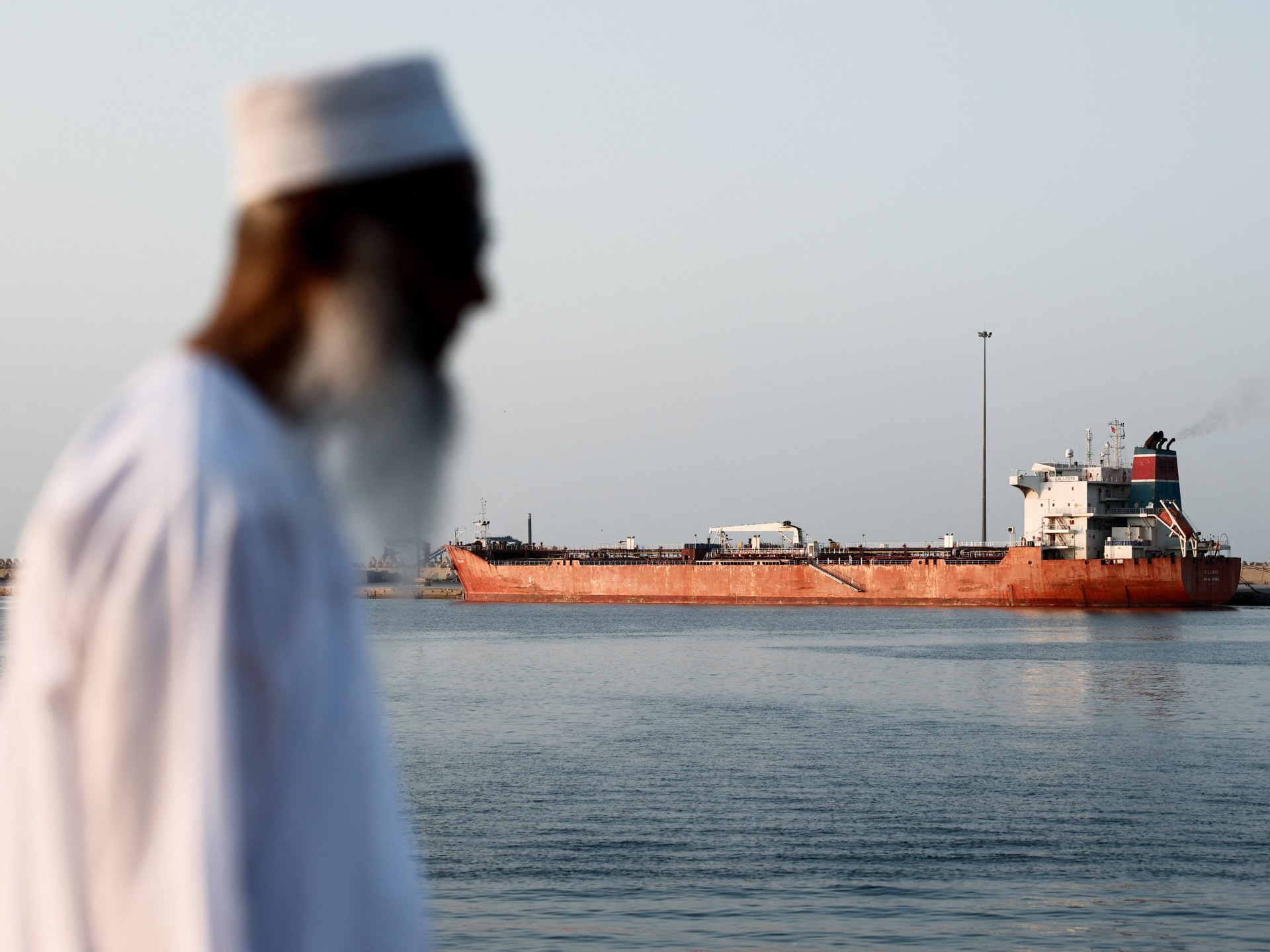
Iran has imposed restrictions on vessels carrying oil and liquefied natural gas supplies through the Strait of Hormuz, a critical maritime route that accounts for approximately 20% of global energy exports. The de facto blockade, which began in response to the US-Israel conflict, has resulted in a significant buildup of ships near the strait, with nearly 2,000 vessels currently waiting to pass through.
According to reports from Iranian media outlets, the country’s parliament is considering legislation to collect tolls for ships transiting the Strait of Hormuz. A draft law has been prepared and is expected to be finalized by the Islamic Consultative Assembly’s legal team.
Iranian officials have stated that the collection of fees is necessary to ensure the security of vessels passing through the strait. The country’s Islamic Revolutionary Guard Corps (IRGC) has already implemented a “toll booth” system to control vessel traffic, which involves charging ships for passage through the strait.
The tolls imposed by Iran are reportedly in the millions of dollars, with one vessel allegedly being charged $2 million to pass through the strait. The International Maritime Organization has confirmed that nearly 2,000 ships are waiting on both sides of the strait to sail through it.
Maritime intelligence services have reported a significant buildup of ships near the strait, with many operators choosing to hold position rather than commit to long-haul rerouting. The Iranian parliament’s consideration of legislation to collect tolls for vessels transiting the Strait of Hormuz has added to the complexity of the situation.
Source: Al Jazeera