Israel considers reopening Rafah crossing amid increased US diplomatic pressure
January 1, 2026 • Al Jazeera
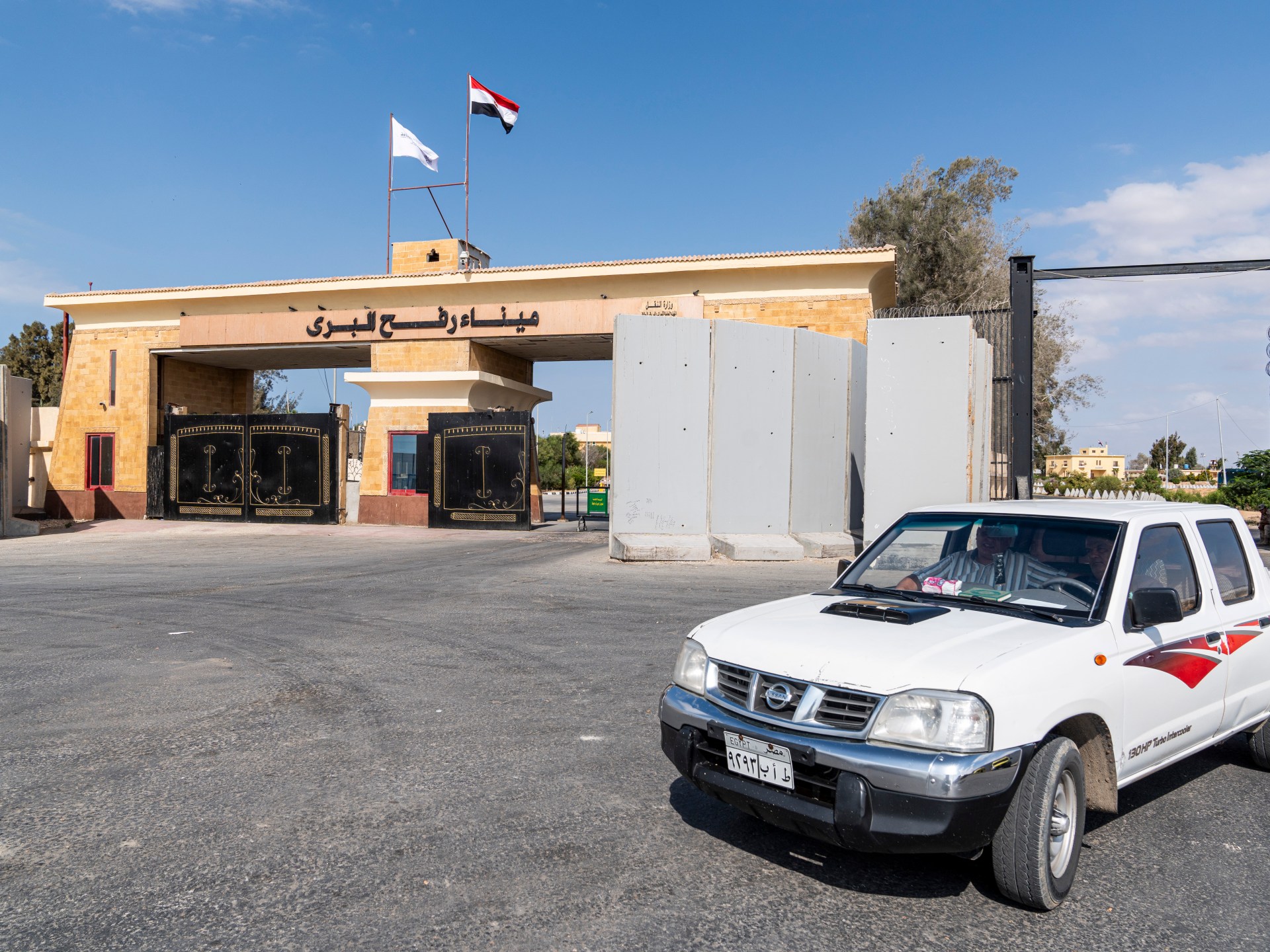
Israeli Prime Minister Benjamin Netanyahu is expected to announce the reopening of the Rafah crossing between the Gaza Strip and Egypt in both directions upon his return from a visit to the United States, according to Israeli media reports.
The decision comes after pressure from US President Donald Trump, who had included the opening of the crossing as part of his 20-point plan to end Israel’s military operations in Gaza. The plan was introduced in October, and its first phase called for the Israeli authorities to allow humanitarian aid into the territory and open the Rafah crossing in both directions.
However, Israel has continued to restrict the entry of aid, while announcing that the crossing would be opened exclusively for the exit of residents from the Gaza Strip to Egypt. This move was met with concern among mediators, who issued a joint statement expressing “deep concern” and rejecting any attempts to displace the Palestinian people from their land.
According to reports, discussions about reopening the crossing in both directions had been held before Netanyahu’s meeting with Trump in the US, but were postponed. An unnamed US source confirmed that the announcement about the opening of the crossing was expected to take place in the coming days.
Netanyahu has completed his latest trip to the US, where he was hailed as a “hero” by President Trump and praised for Israel’s compliance with the 20-point plan. However, reports have emerged suggesting that US officials are growing frustrated with Netanyahu’s apparent delay in implementing the ceasefire plan, which may be intended to keep options open for resuming hostilities against Hamas at a later date.
The Rafah crossing had previously been the only connection between Gaza and the outside world, but was occupied by Israeli forces in May 2024, leading to a severe humanitarian crisis. The Philadelphi Corridor, where the crossing is located, remains under military control, with soldiers deployed in a buffer zone.
Source: Al Jazeera