Israel Deploys High-Yield Weapons in Gaza, Resulting in Significant Palestinian Casualties
February 10, 2026 • Al Jazeera
Here is a rewritten version of the article in a neutral newsroom style:
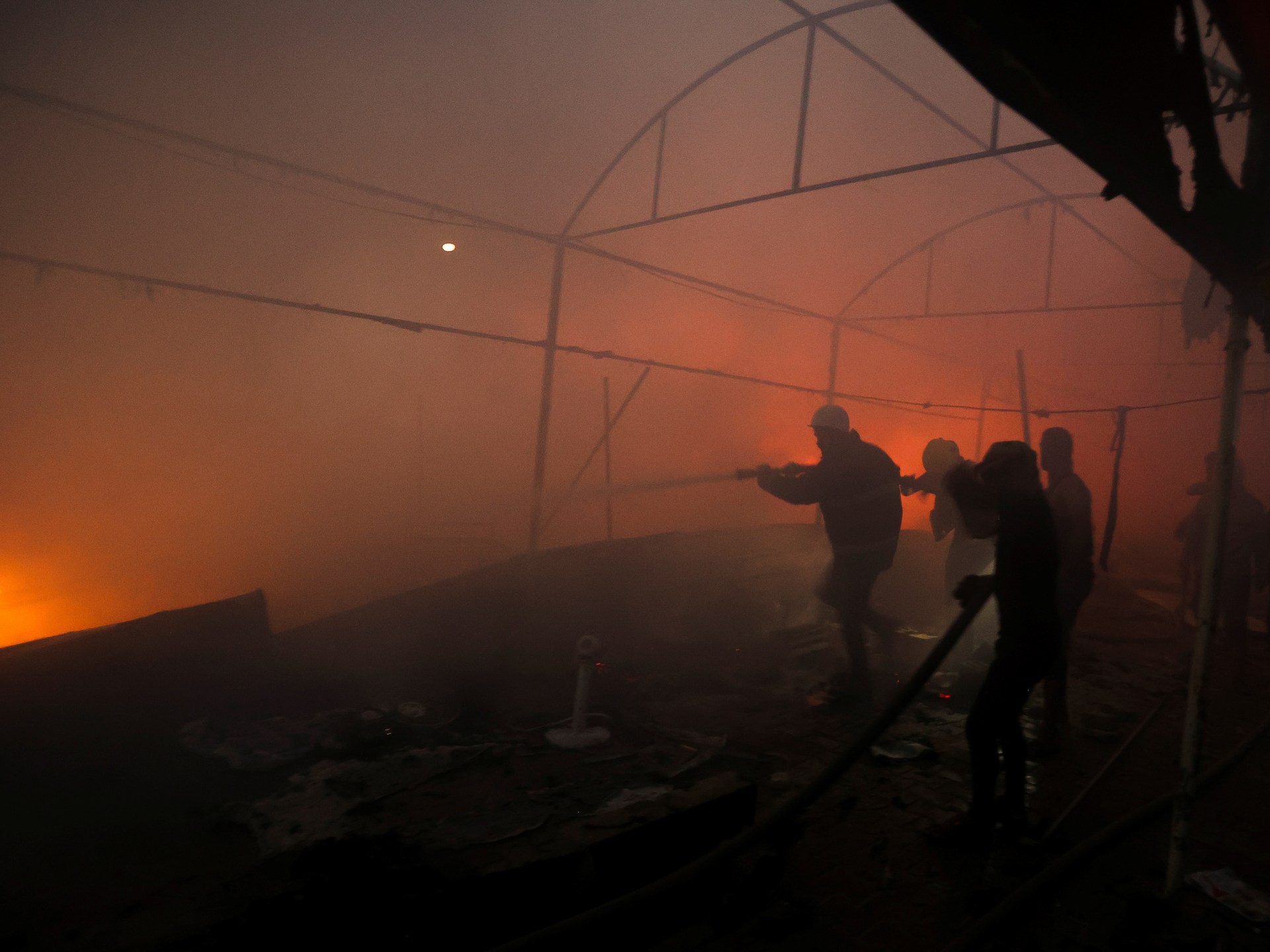
Gaza City, Gaza - An Al Jazeera investigation has uncovered evidence of the devastating impact of US-supplied thermal and thermobaric munitions on Palestinian civilians during the ongoing conflict. The investigation found that these weapons, which can generate temperatures exceeding 3,500 degrees Celsius, have left behind no remains of nearly 3,000 Palestinians.
According to eyewitness accounts, including those from Yasmin Mahani, whose son Saad went missing after a US-supplied munition was used in the al-Tabin school in Gaza City on August 10, 2024. Mahani reported finding her husband screaming and no sign of Saad, despite searching hospitals and morgues for days.
Civil Defence teams in Gaza have documented 2,842 Palestinians who have “evaporated” since the war began in October 2023, leaving behind only blood spray or small fragments of flesh. Experts attribute this phenomenon to the use of thermobaric weapons, which can disperse a cloud of fuel that ignites to create an enormous fireball and a vacuum effect.
The investigation identified specific US-manufactured munitions used in Gaza, including the MK-84 bomb, which contains tritonal, a mixture of TNT and aluminium powder. Dr Munir al-Bursh, director general of the Palestinian Ministry of Health in Gaza, explained that the extreme heat generated by these weapons can cause human bodies to vaporize instantly.
Legal experts have pointed out that the use of these indiscriminate weapons implicates not just Israel but also its Western suppliers. Mahmoud Basal, spokesperson for the Civil Defence in Gaza, confirmed finding fragments of GBU-39 wings at sites where bodies had vanished.
The investigation has shed light on a disturbing pattern of violence and human rights abuses during the conflict. The use of these prohibited weapons raises questions about accountability and complicity among those who supply them.
Source: Al Jazeera