Israels Bombing in Lebanon Displaces Palestinian Refugees Again
March 17, 2026 • Al Jazeera
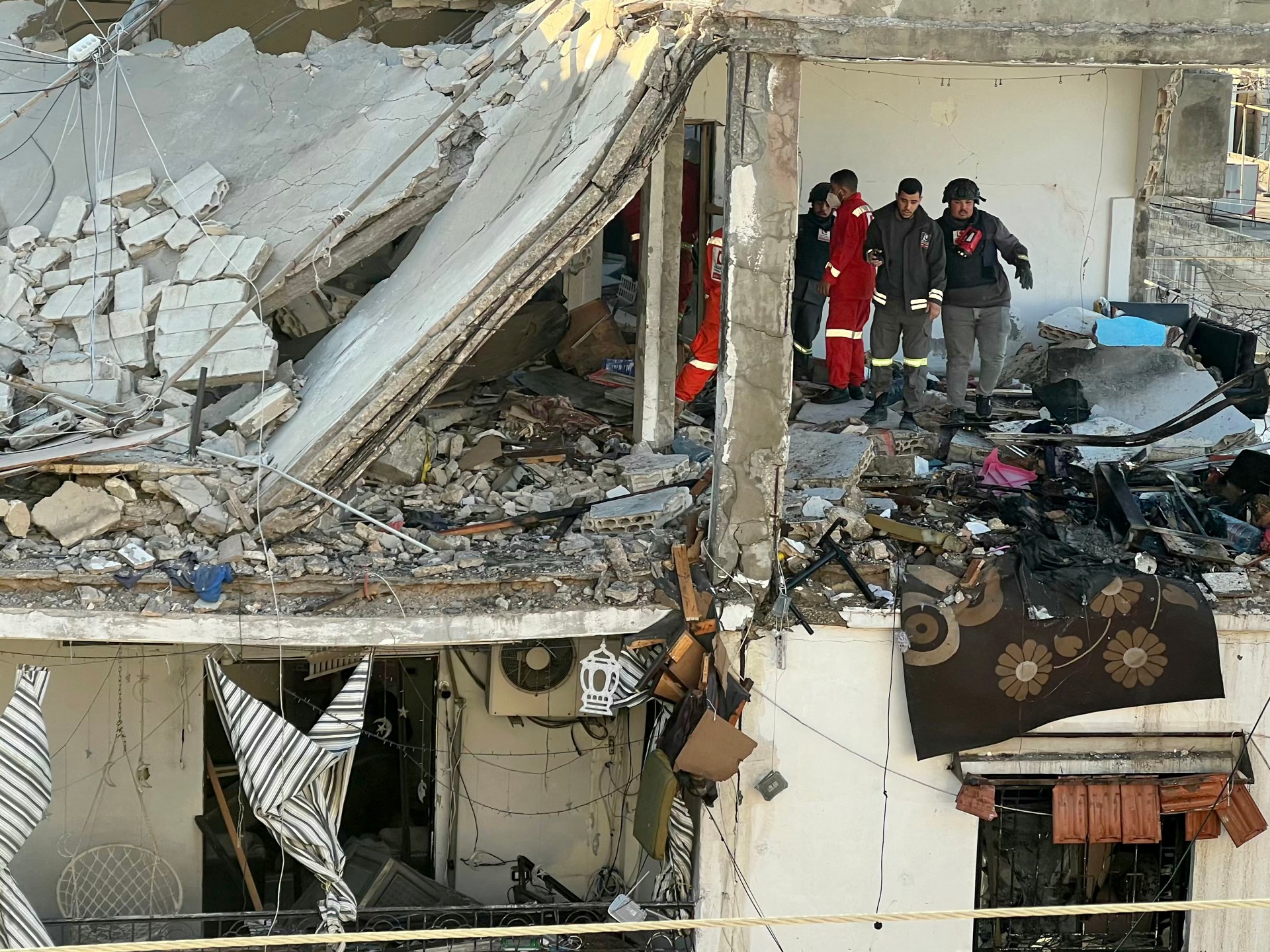
Thousands of Palestinian refugees in Lebanon face insecurity and trauma as Israeli forces attack camps near their homes.
A family from Akka, Lebanon, has been living in the Rashidieh refugee camp since 1948. Manal Matar’s grandparents fled their home after Israel closed its borders, and they have remained there ever since. However, on March 2, Israeli forces began attacking near their house, prompting the family to evacuate.
The family is now staying with a relative in the Beddawi refugee camp in Tripoli, north Lebanon. Manal Matar, one of thousands of Palestinian refugees in Lebanon, has experienced generational trauma caused by Israeli displacement. She expressed concern about the ongoing situation, stating that she hopes it will not last longer than this.
The conflict escalated on March 2, with Israel intensifying its war on Lebanon after Hezbollah attacked Israel for the first time in over a year. A ceasefire had been in effect since November 27, despite reports of over 15,000 Israeli ceasefire violations since then.
Since then, Israel has issued mass evacuation orders for more than 14% of Lebanon, including south Lebanon and the southern suburbs of Beirut. The areas impacted include Palestinian refugee camps such as Rashidieh, Burj Shemali, and el-Buss, as well as two Beirut refugee camps: Burj al-Barajneh and Shatila.
Lebanon is home to around 200,000 Palestinian refugees, who are among the most vulnerable populations due to restrictive employment laws. The displacement of Palestinians has been exacerbated by Israel’s attacks and evacuation orders, which have displaced over 800,000 people in Lebanon since March 2.
Displaced individuals are staying with relatives, in hotels, or renting apartments. However, aid workers and Palestinians themselves report that schools are only receiving Lebanese refugees, leaving other vulnerable communities such as Syrian refugees and foreign domestic workers without accommodation options.
Yasser Abou Hawash, who has lived near the el-Buss camp since his birth in the 1960s, expressed his concerns about the ongoing situation. “I’m living what my parents lived in 1948,” he said. “This is a new Nakba, and it repeats every 10 years.”
Source: Al Jazeera