Israels Control of Gaza Movement Raises Humanitarian Concerns
February 9, 2026 • Al Jazeera
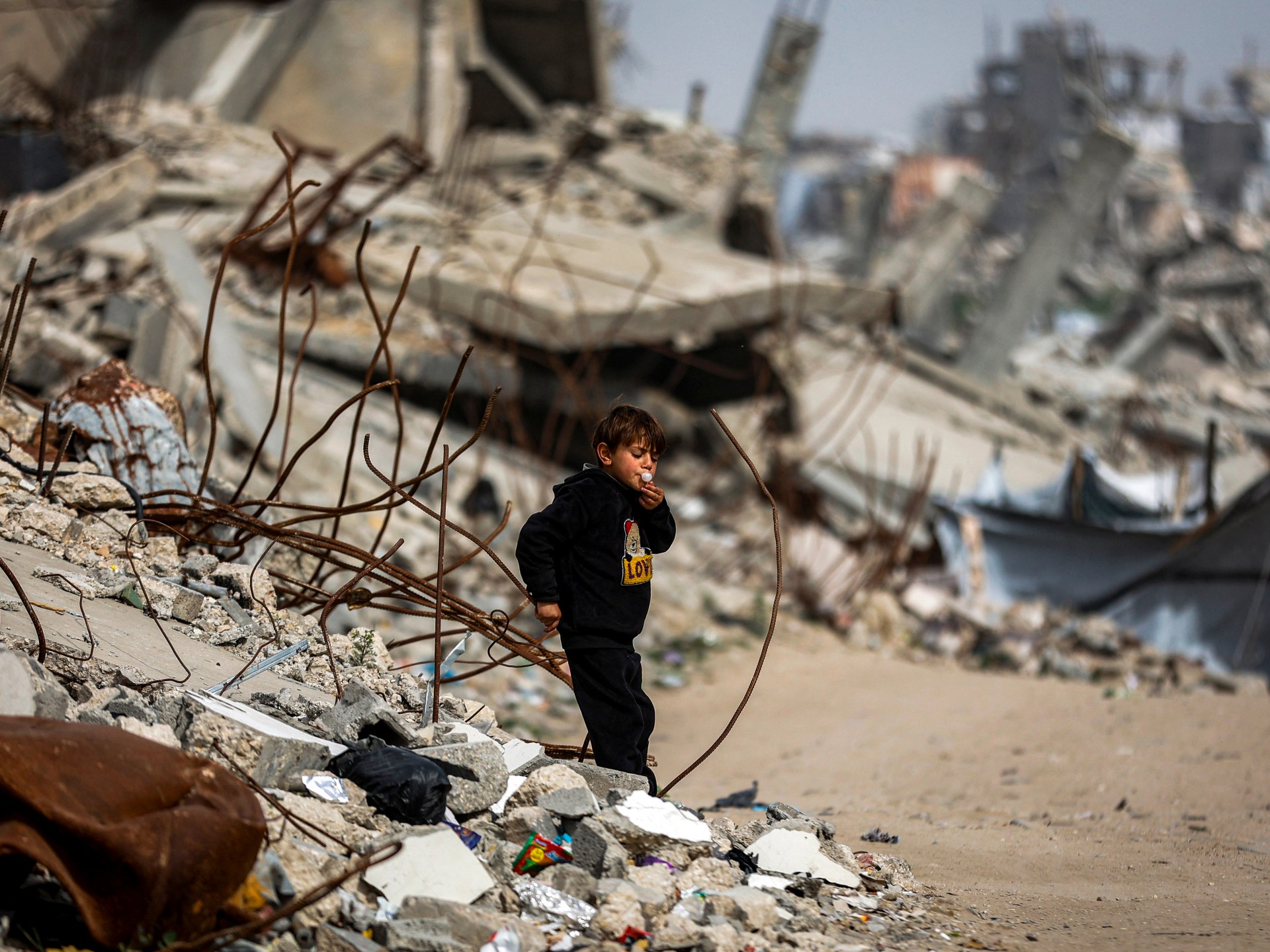
Gaza Strip Residents Face Restrictions on Movement Under Israeli Control
The Rafah border crossing with Egypt has reopened, but Palestinians in Gaza continue to face significant challenges in accessing medical treatment and other essential services. The crossing, which is the main outlet for humanitarian aid and medical evacuations, was taken under Israeli control in May 2024.
Under international law, freedom of movement is a fundamental right that is protected alongside other core rights such as life, food, and education. However, Israel has implemented a complex system of road closures, permits, and guarded land crossings to restrict Palestinian movement.
The system, which was initially put in place during the 2023 conflict, has become a daily reality for Palestinians. Patients seeking medical treatment abroad, students awaiting educational opportunities, families separated across borders, and wounded war victims on evacuation lists all face significant barriers when attempting to cross into Israel or other countries.
The Rafah crossing, which was previously seen as Gaza’s only outlet to the outside world not directly governed by Israel, has also been subject to Israeli control. The crossing was closed in May 2024, with aid trucks left stranded and food supplies destined for Gaza spoiled under the sun.
Israel has exercised control over movement through numerical caps, name lists, and layered approvals, which have immediate consequences for food supply chains, humanitarian assistance, medical evacuations, and Palestinian civilians’ right to travel and reunite with their families. The Israeli army has selectively opened alternative points for the passage of “pre-approved goods” and limited numbers of patients and humanitarian staff.
The United Nations has repeatedly warned about unsafe access to crossings due to Israeli military activity in Gaza. The crossings deemed “operational” have primarily been Karem Abu Salem (Kerem Shalom) and Kissufim, but this arrangement has not resulted in a stable flow of aid. Instead, it has created a volatile system reliant on constantly changing entry points.
In addition to the closures at crossings, Israel has also imposed restrictions on roads and corridors within Gaza, further isolating entire areas from supplies and essential services. Humanitarian convoys have been subject to “mandatory coordination” with Israeli military approvals, which have led to impediments, cancellations, or denials of aid missions.
Source: Al Jazeera