Israels Reconstruction Efforts Become Key Tool for Gazas Silent Transfer of Resources
February 8, 2026 • Al Jazeera
Here is a rewritten version of the article in a neutral newsroom style:
Reconstruction Efforts in Gaza Face Uncertainty Amid Ongoing Conflict
A recent proposal by Jared Kushner, billionaire real estate scion and son-in-law to US President Donald Trump, has sparked concerns about the potential use of reconstruction efforts as a tool for political extortion. At the World Economic Forum in Davos, Switzerland, Kushner presented his vision for a “New Gaza,” which includes plans for skyscrapers, waterfront tourism, and a logistical corridor connecting a demilitarized enclave to the world.
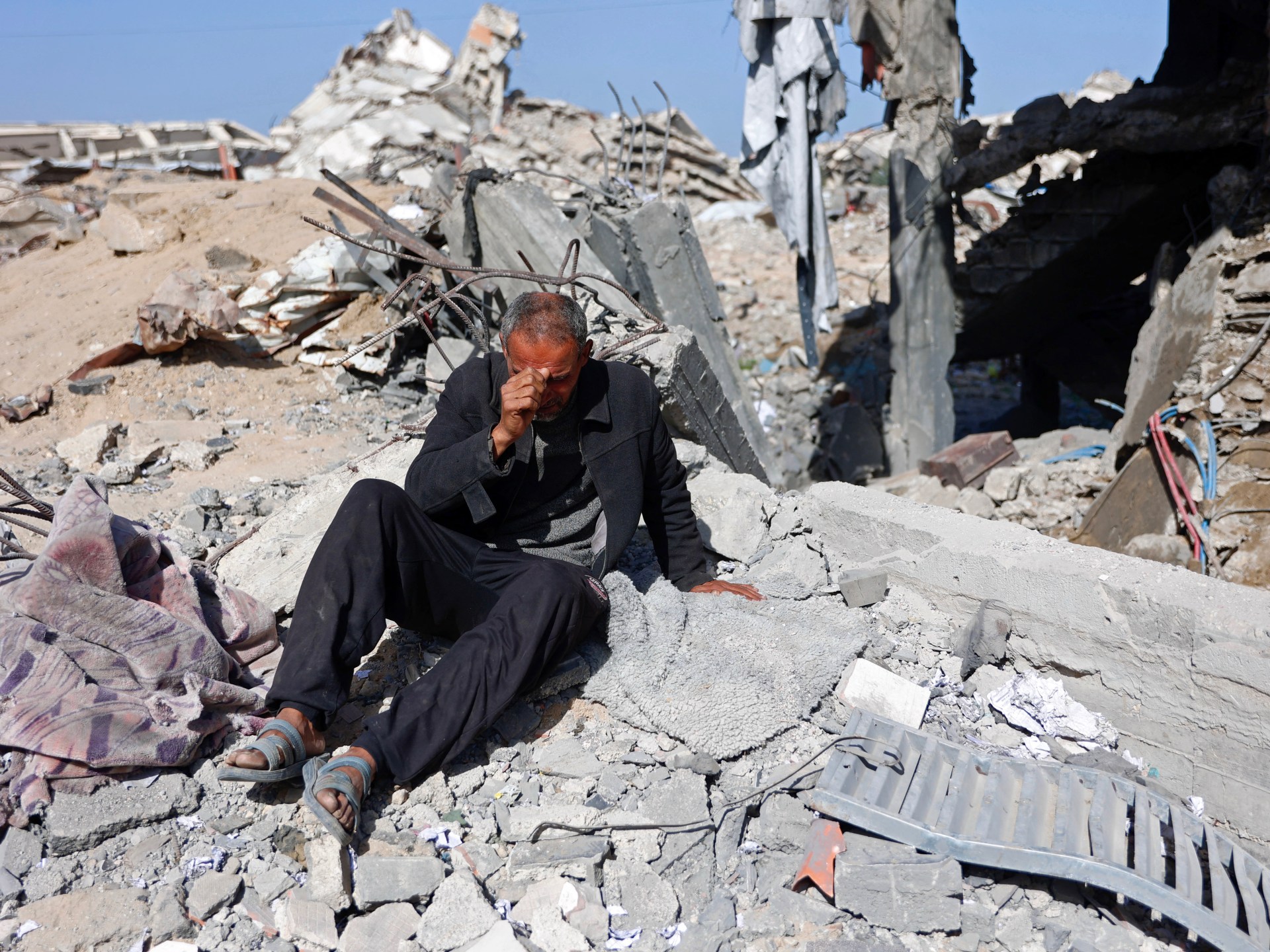
However, on the ground in Gaza, the reality is far from this vision. The Palestinian territory has been devastated by years of conflict, with 92% of its land destroyed according to the United Nations. The estimated cost of rebuilding is $70 billion, but analysts warn that reconstruction efforts are being designed to serve Israeli interests rather than restore Palestinian life.
According to researchers and urban planners, Israel’s control over construction materials and aid is a key factor in shaping Gaza’s future. “Reconstruction is not just about restoring what was destroyed,” said Ihab Jabareen, a researcher specializing in Israeli affairs. “It is about reshaping life.” Jabareen argues that Israel aims to create a system of “control without responsibility” in which it holds veto power over daily life in Gaza.
The potential entry of cement and steel rods, crucial construction materials blocked by Israel, has sparked concerns about the true intentions behind reconstruction efforts. The United Nations Development Programme report released in November painted a grim picture, stating that debris generated by the war creates an “unprecedented obstacle” that could take seven years to clear under ideal conditions.
Palestinian experts have rejected top-down models for reconstruction proposed in Davos, instead advocating for local alternatives such as the Phoenix Plan. Abdel Rahman Kitana, professor of architecture at Birzeit University, warned against disconnected solutions and emphasized the need for an integrated approach rooted in the Phoenix Plan. “We cannot succeed without the people themselves,” he said.
Source: Al Jazeera