ISWAP and Boko Harams Influence Grows in Lake Chad Region
May 18, 2026 • Al Jazeera
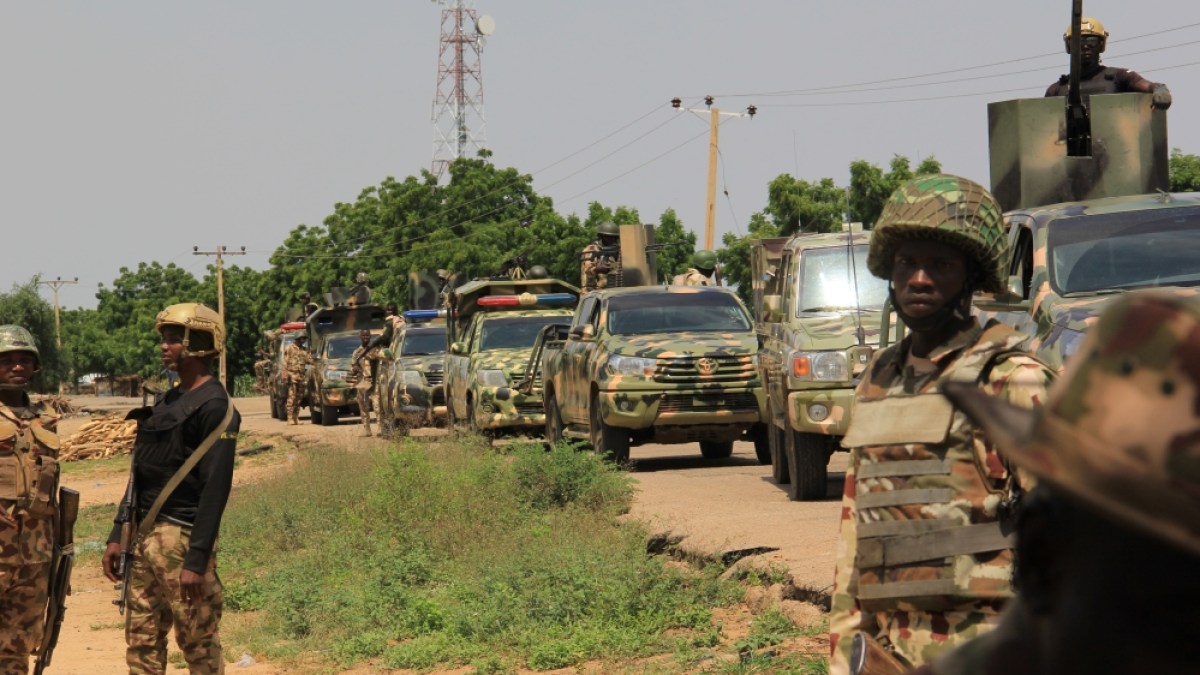
Abuja, Nigeria – A recent operation in northeastern Nigeria resulted in the killing of Abu-Bilal al-Minuki, the second-in-command of ISIL (ISIS). The incident highlights the ongoing security challenges in the Lake Chad Basin region. Al-Minuki was a Nigerian national from Borno State and operated out of a compound near Lake Chad.
The resurgence of violence in the region is attributed to various factors, including economic hardship and weak governance. Analysts note that the conditions driving this surge are complex and persistent. The parallel resurgence of Boko Haram, which quietly rebuilt itself while security agencies focused on ISWAP, has enabled both factions to regroup and carry out further attacks.
Regional forces have struggled to coordinate efforts, with differing command structures and resource allocation hindering harmonization of military operations. Logistical bottlenecks and porous borders also allow the movement of jihadi elements and their weapons across affected states. The situation in Mali has contributed to a more permissive environment for armed groups, amplifying risks for Nigeria.
Local communities face dual pressures of insecurity and humanitarian deprivation, often relying on informal networks for protection and sustenance. Humanitarian agencies report that civilians are increasingly caught in cycles of displacement and forced recruitment. Regional security forums have struggled to implement preventative measures beyond episodic military interventions.
Economic factors also play a role in the resurgence of both groups. Control of Lake Chad islands could provide authority over taxation routes, smuggling corridors, and resource extraction, turning them into areas of competition that extend beyond ideological motives. The combination of armed activity and criminal enterprise supports how the groups sustain themselves.
Boko Haram’s mix of ideological and criminal operations may help fund its activities while attracting disaffected youth. Recruitment is influenced by the region’s fragile socioeconomic conditions, including high poverty and unemployment. Shortcomings in reintegration programmes are also considered a contributing factor to the problem, with former combatants rejoining Boko Haram after facing limited support.
Source: Al Jazeera