Kashmir Brothers Killed by Rebels and Army 26 Years Apart
April 29, 2026 • Al Jazeera
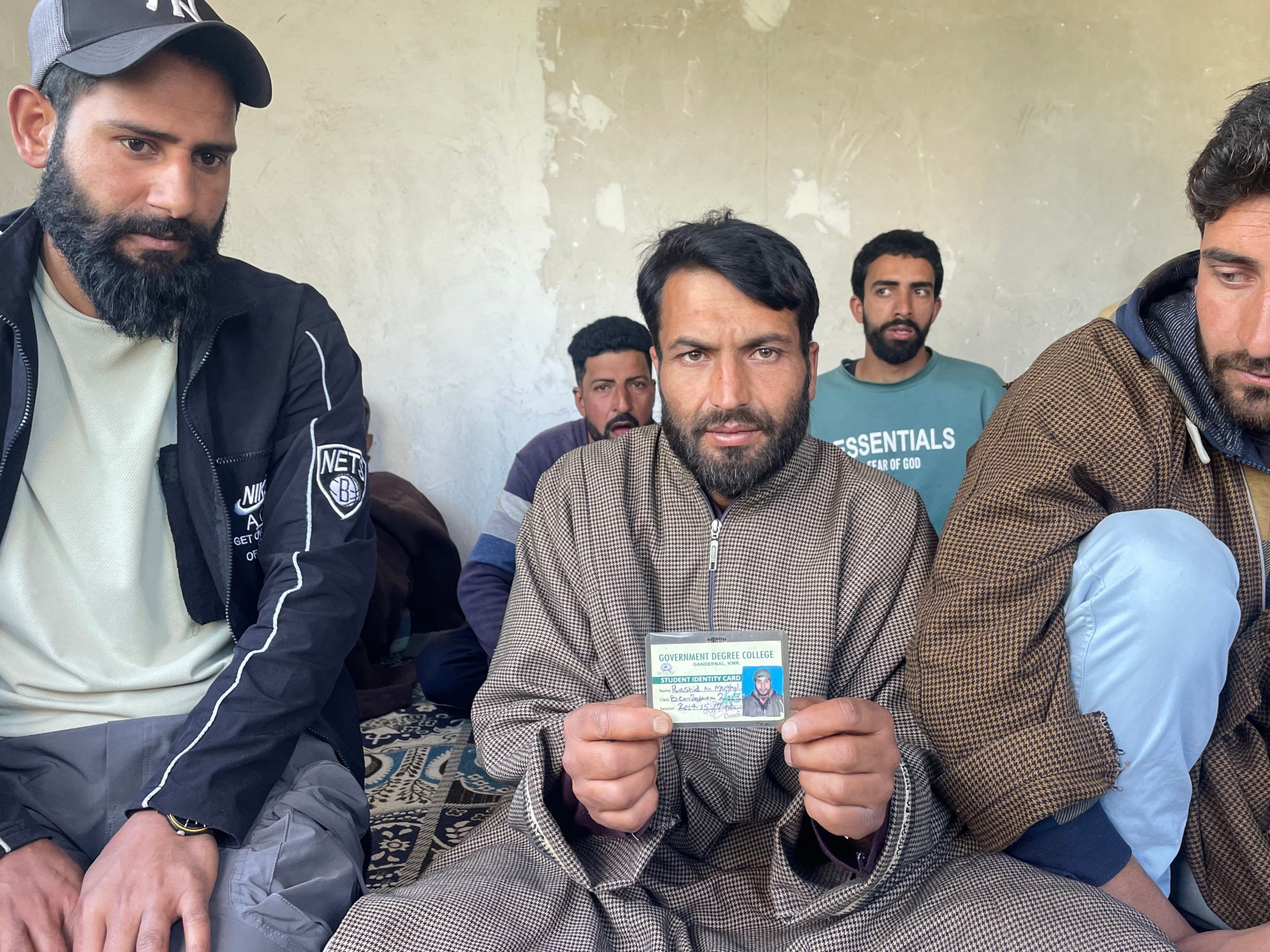
Family Seeks Closure After Two Brothers Killed by Indian Army
A family in Indian-administered Kashmir is struggling to come to terms with the loss of two brothers, Rashid and Ajaz Mughal, who were killed in separate incidents involving the Indian army. The tragedy began on a freezing January night in 2000 when armed rebels broke into their home in Chunt Waliwar village, killing 23-year-old Ishfaq, who worked for the Indian army. The family has been seeking closure and the return of Ishfaq’s remains for over 26 years.
In March, Rashid, now 32, was shot dead by the Indian army on suspicion of being a rebel. The army claimed he was killed during an exchange of fire with rebels in a forest, but local residents dispute this account, calling it a “fake encounter.” Rashid’s body was buried 80km away in a graveyard marked for alleged rebels.
The killing of the two brothers highlights the ongoing tensions and violence in Kashmir, which has been plagued by an armed rebellion since the late 1980s. The Indian government sent nearly a million soldiers to crush the rebellion, resulting in tens of thousands of deaths, mostly civilians. In 2019, Prime Minister Narendra Modi’s government revoked Article 370 of the Indian Constitution, granting partial autonomy to Kashmir, and brought the region under direct control.
The Mughal family belongs to the Gujjar community, a nomadic Muslim tribal group that historically sided with the Indian state. However, this relationship has frayed over time, leaving many in the community feeling pressure from the very system they once supported. The family’s experience is part of a broader pattern of incidents involving suspected rebel attacks, alleged extrajudicial killings, torture, and preventive detention of residents.
The region remains on high alert, with tensions simmering between Indian authorities and local residents. The Mughal family’s story serves as a reminder of the ongoing human cost of the conflict in Kashmir.
Source: Al Jazeera