Lebanon becomes key factor in Iran-US conflict ceasefire negotiations
June 8, 2026 • Al Jazeera
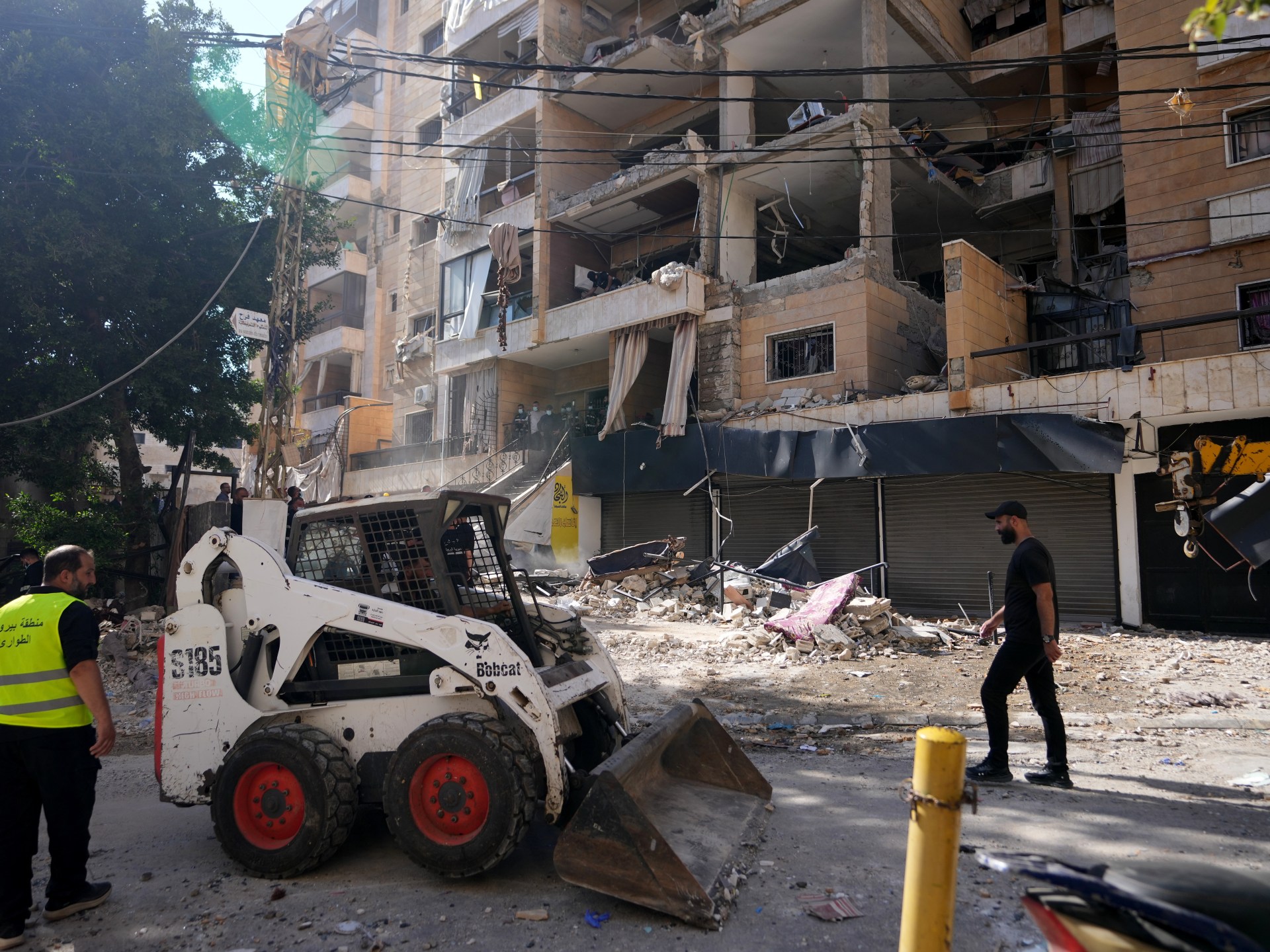
Iran has shifted its approach to defending its proxy groups in the region from relying on third-party forces to using its own military capabilities. On Sunday, Iran launched direct strikes on Israel for the first time in two months, prompting concerns about the prospects of a US-Iran peace deal.
The attacks came after weeks of warnings that continued Israeli aggression in Lebanon would jeopardize diplomacy. Iran has consistently stated that any peace agreement with the US must include Lebanon as part of its territorial integrity. The Iranian Revolutionary Guards (IRGC) issued a statement saying the operation was a warning, and if further aggressions were made, responses would be broader and encompass all American-Zionist targets in the region.
Israel responded by carrying out multiple attacks across Iran on Monday, including the capital Tehran. Despite US President Donald Trump reportedly telling Israeli Prime Minister Benjamin Netanyahu not to escalate, Israel continued its military operations. The US president later took to social media to urge both parties to stop their hostilities.
Iran’s armed forces declared an end to operations targeting Israel but warned that further Israeli strikes in Lebanon would be met with “harsher” attacks. Analysts say the escalation has raised questions about whether Iran is ready to enforce its red line of defending its allies from Israeli aggression. The situation also raises concerns about the prospects of a US-Israeli peace deal with Iran, particularly given Israel’s continued military operations against Hezbollah in Lebanon.
The conflict began on March 2 when Tehran-aligned Hezbollah launched attacks on northern Israel. Since then, at least 3,613 people have been killed and 11,072 others injured in Israeli attacks across Lebanon, according to the latest figures from Lebanon’s Health Ministry. Over one million people have been displaced from their homes due to Israel’s occupation of nearly one-fifth of the country.
Source: Al Jazeera