Lebanons economy faces challenges amid ongoing conflict and global fuel shortages
May 22, 2026 • Al Jazeera
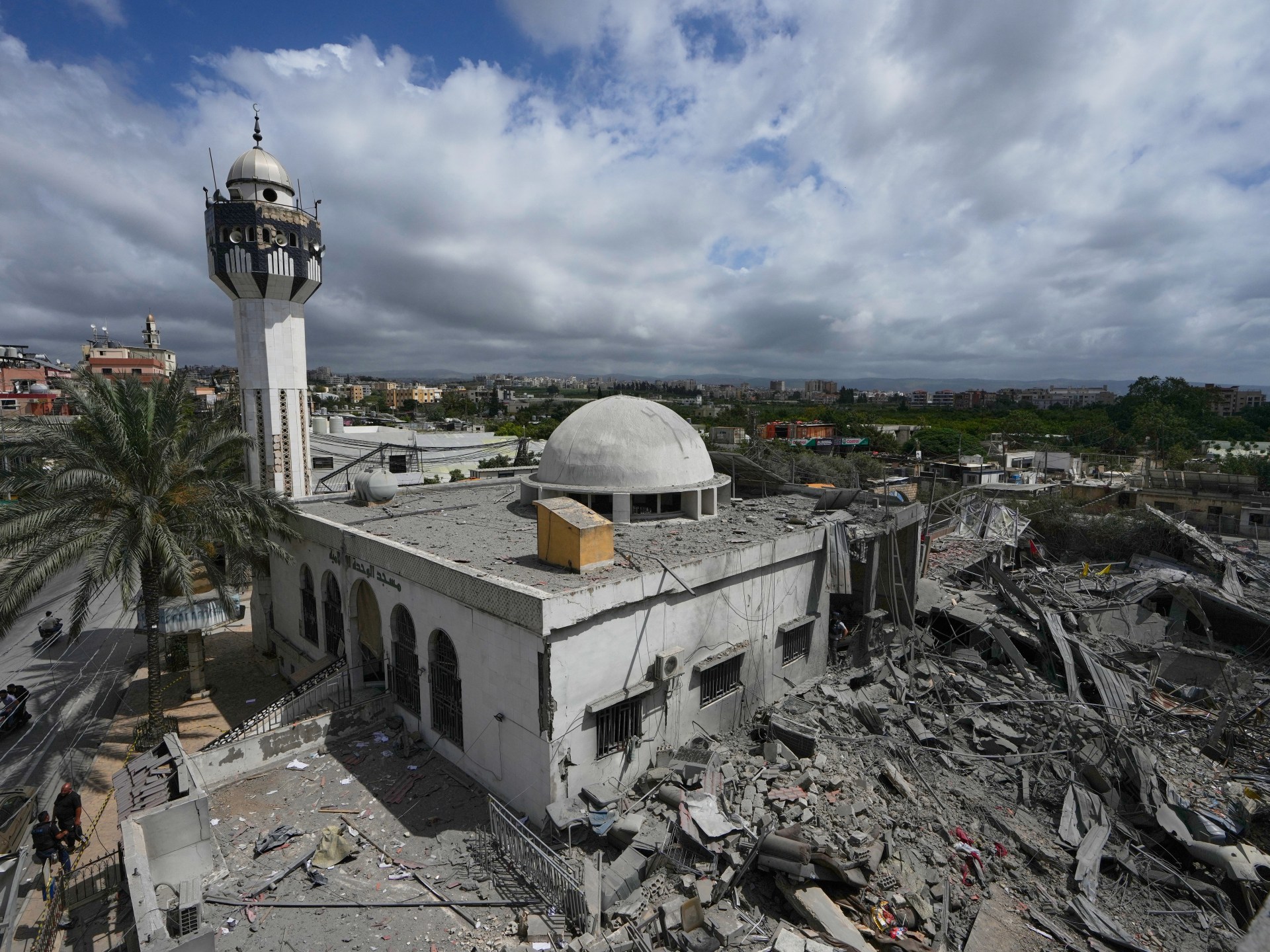
Lebanon’s Ongoing Conflict and Economic Crisis Take Toll on Nation
A 51-year-old barber, Mario Habib, has seen his business decline since the start of Israel’s war on Lebanon. The conflict, which began in 2006, has continued to escalate, with the US-Israeli war on Iran further exacerbating the economic crisis. As a result, prices have risen due to supply issues, particularly with oil from the Gulf region, which has largely ceased production since the blockade of the Strait of Hormuz.
Lebanon’s government had previously reported modest 3.5 percent GDP growth in 2025, but this growth appears to have been eradicated due to the ongoing conflict and global impact on Iran. In March, inflation reached an 18-month high in Lebanon, with Bank Audi predicting 0 percent GDP growth in 2026 if the war continues.
The economic crisis has had a compounding effect on Lebanon’s society, with years of financial mismanagement resulting in a banking crisis in 2019, cutting off people from their money. The Beirut port explosion in 2020 and worsening state services in 2021 and 2022 further exacerbated the situation. In October 2023, Hezbollah and Israel went to war, displacing thousands of Lebanese, many of whom have not returned home.
In March, Israel intensified its attacks on Lebanon, displacing over 1.2 million people and causing widespread destruction in southern Lebanon. The global impact from the US-Israeli war on Iran has also affected fuel and other costs due to the closure of the Strait of Hormuz. Sami Zoughaib, an economist at The Policy Institute, described Lebanon’s economic situation as “a very unique moment in economic history.”
Despite the challenges, some businesses, including Mario’s barber shop, have chosen not to raise their prices, prioritizing customer comfort and stability.
Source: Al Jazeera