Mali Attacks Linked to Azawad Liberation Front
April 28, 2026 • Al Jazeera
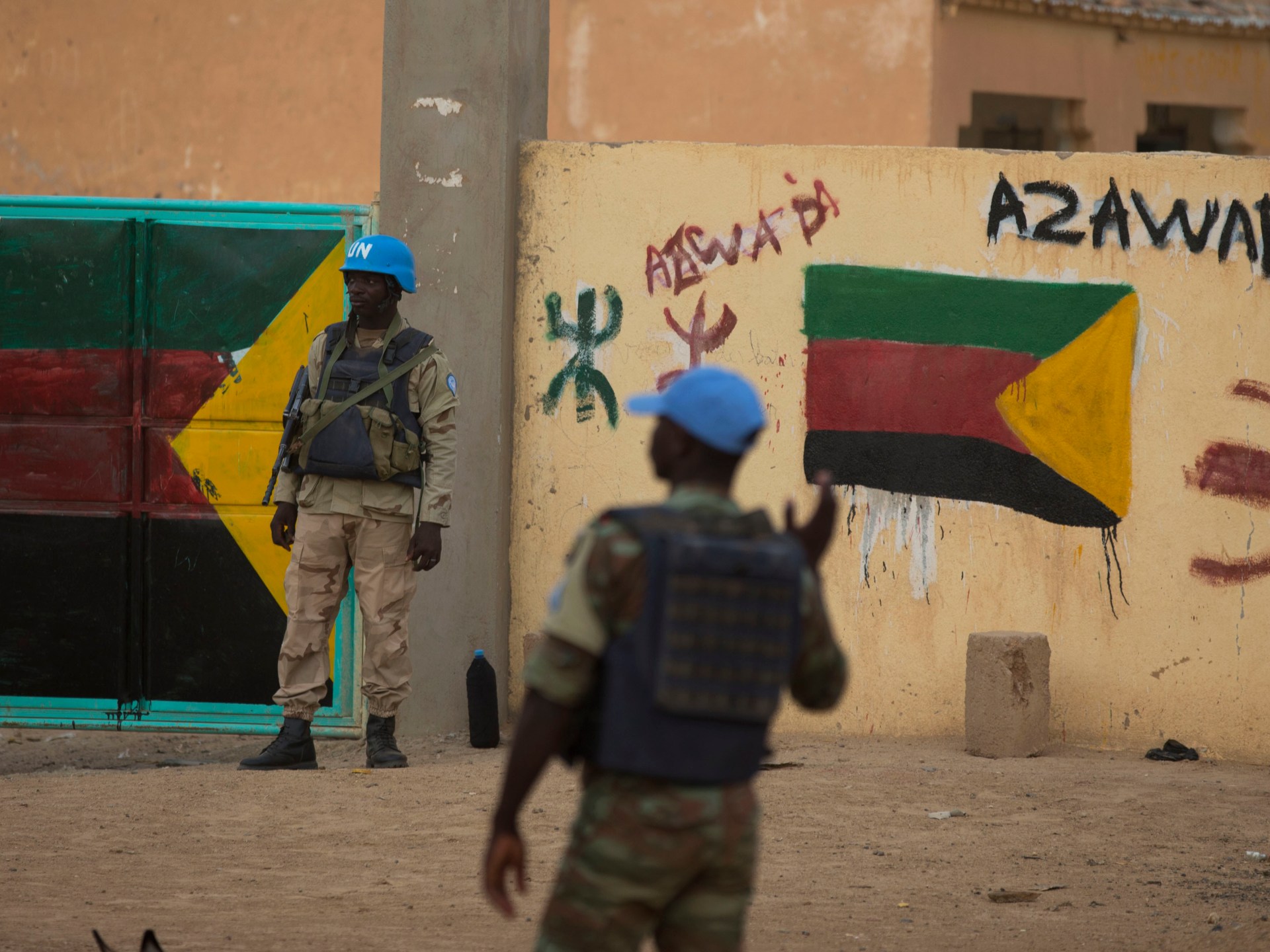
Mali Experiences Ongoing Conflict with Rebel Groups
A series of attacks on army bases in northern Mali has resulted in the deaths of Defence Minister Sadio Camara, his wife, two children, and an unknown number of other individuals. The incidents, which began on Saturday, were carried out by Jama’at Nusrat al-Islam wal-Muslimin (JNIM) and secessionist fighters from the Azawad Liberation Front (FLA). At least 16 people have been injured in the coordinated offensives.
Reports indicate that intermittent explosions continued around Senou International Airport, south of Bamako, late on Monday. The FLA is seeking autonomy for the region, which has a long history of independence movements dating back to the early 1900s. Ethnic Tuaregs have fought for an independent state since then, with their demands intensifying after French colonizers exited Mali in 1960.
The roots of the rebellion can be traced to the 2012 Malian civil war, which saw the declaration of Azawad as a self-declared autonomous region. The movement has been marked by various factions and alliances over the years, including the Popular Movement for the Liberation of Azawad (MPLA), Arab Islamic Front of Azawad (FIAA), and United Movements and Fronts of Azawad (MFUA).
In 2012, a new wave of attacks led to the Malian civil war, which saw the National Movement for the Liberation of Azawad (MNLA) seize territory across the north. The movement partnered with Ansar Dine, but fighting broke out between the two groups. A peace deal was eventually struck in 2015, with Mali agreeing to give more autonomy to the region and integrate former fighters.
However, the rebellion has continued, with the formation of JNIM in 2017. The group is led by a merger of four al-Qaeda-allied groups, including Ansar Dine, AQIM, Katina Macina, and al-Mourabitoun. The conflict remains ongoing, with reports of intermittent explosions and attacks continuing to be reported in northern Mali.
Source: Al Jazeera