Mauritanias Female Islamic Guides Lead Fight Against Extremism in Country
May 21, 2026 • Al Jazeera
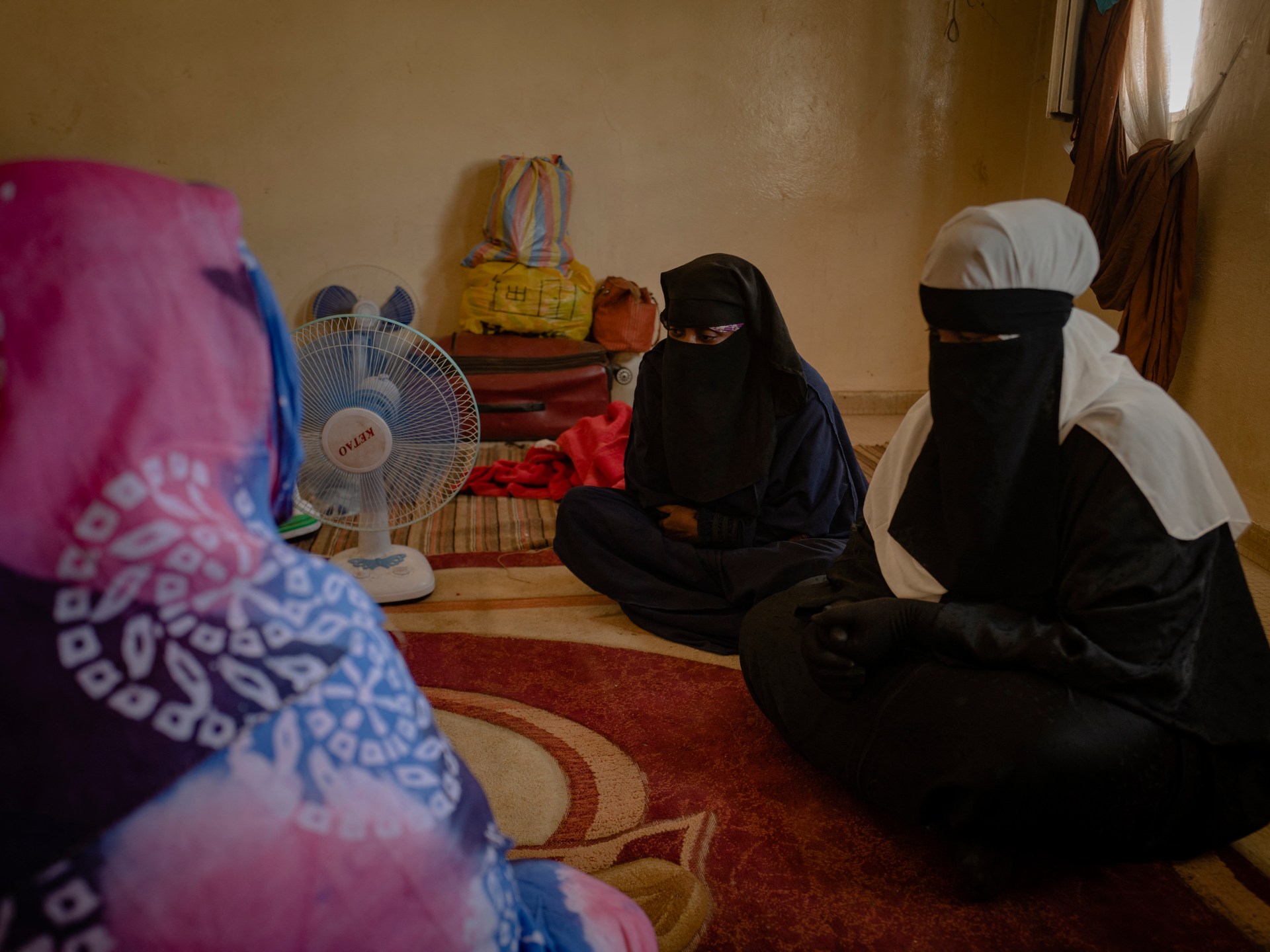
Mauritania’s Female Islamic Guides Tackle Radicalization Through Community Outreach
In Mauritania, a country in the Sahel region of West Africa, efforts to combat radicalization are being led by female Islamic guides known as mourchidates. Trained and certified by the Ministry of Islamic Affairs since 2021, these women are deployed across various settings, including schools, youth centers, mosques, hospitals, and prisons.
The program has its roots in Morocco, where it was introduced after a series of bombings in Casablanca in 2003. Since then, Moroccan mourchidates have received formal theological and social training, enabling them to provide religious guidance and family counseling.
According to a researcher, the Moroccan model demonstrates how investing in well-trained female religious leaders can strengthen community trust, promote moderate religious discourse, and create culturally grounded approaches to youth de-radicalization and social cohesion. The mourchidates operate by providing religious counsel grounded in mainstream Islamic scholarship, challenging theological justifications used by armed groups, and offering a credible alternative to their narratives.
What sets the program apart is the involvement of women with dedicated religious scholarship. These individuals are trained in Quranic interpretation, Islamic jurisprudence, and the history of theological thought. They engage detainees linked to armed groups, including those convicted of planning or participating in attacks, over extended periods, building trust and addressing ideological arguments that justify violence.
The mourchidates’ work is built on relationships, which is a key factor in de-radicalization efforts. By establishing close ties with communities, these women are often well-placed to build these relationships in ways that male guards, military officials, or even male religious scholars may not be able to.
Source: Al Jazeera