Minesweeping operations in the Strait of Hormuz explained visually
June 25, 2026 • Al Jazeera
US and Iran Sign Framework Agreement to Reopen Strait of Hormuz
A framework agreement was signed between the United States and Iran last week aimed at ending the US-Israel war on Iran and reopening the Strait of Hormuz. The agreement requires Iran to clear any mines within 30 days as a condition for reopening the strait.
The Strait of Hormuz, a global energy chokepoint, has seen increased navigation since the signing of the agreement. However, experts warn that shipping traffic will take time to return to pre-conflict levels due to concerns over sea mines. Shipping companies and insurers have expressed caution about the dangers posed by mines in the strait.
Iran had previously threatened to deploy naval mines to block ship passage through the waterway. The exact number of mines deployed is unknown, but Iran’s use of the strait as leverage in talks with the US has contributed to concerns about mine placement.
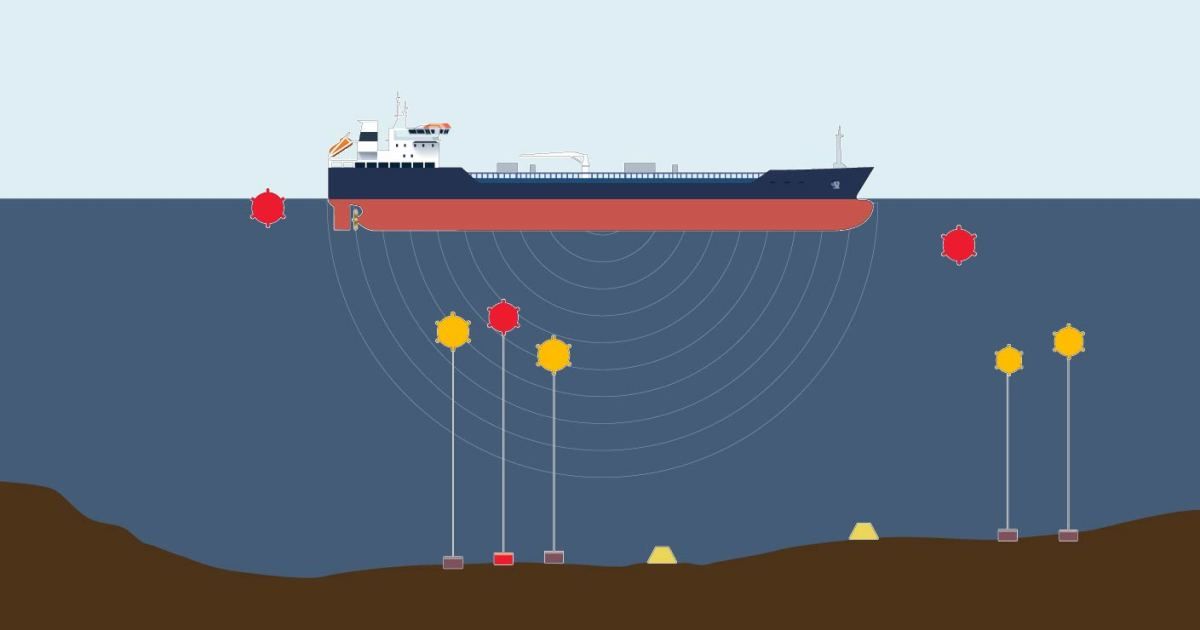
The demining effort is being led by France and the United Kingdom, with support from allies including Germany, Italy, Japan, and Canada. Naval mines are underwater explosives designed to damage or sink ships. They can be difficult to locate and remove due to their relatively low cost of production compared to detection and removal costs.
There are several types of naval mines, including seabed mines that detect a vessel’s magnetic, acoustic, or pressure signature, moored mines anchored to the seabed by a cable, drifting mines that move with currents and tides, limpet mines attached directly to a ship’s hull, and others. The process of clearing mines, known as mine countermeasures (MCM), involves locating individual devices and destroying them in place or sweeping suspected areas to trigger or cut them loose.
The demining effort relies on sonar-equipped underwater drones and remotely operated vehicles to scan the seabed. Modern systems can cover large areas while transmitting sonar data and images back to operators. The Reuters news agency reported that the US and allied navies increasingly rely on underwater drones, robots, and helicopters equipped with mine-hunting sensors.
Source: Al Jazeera