NATOs Mutual Defense Clause May Be Alternative to European Cooperation
April 30, 2026 • Al Jazeera
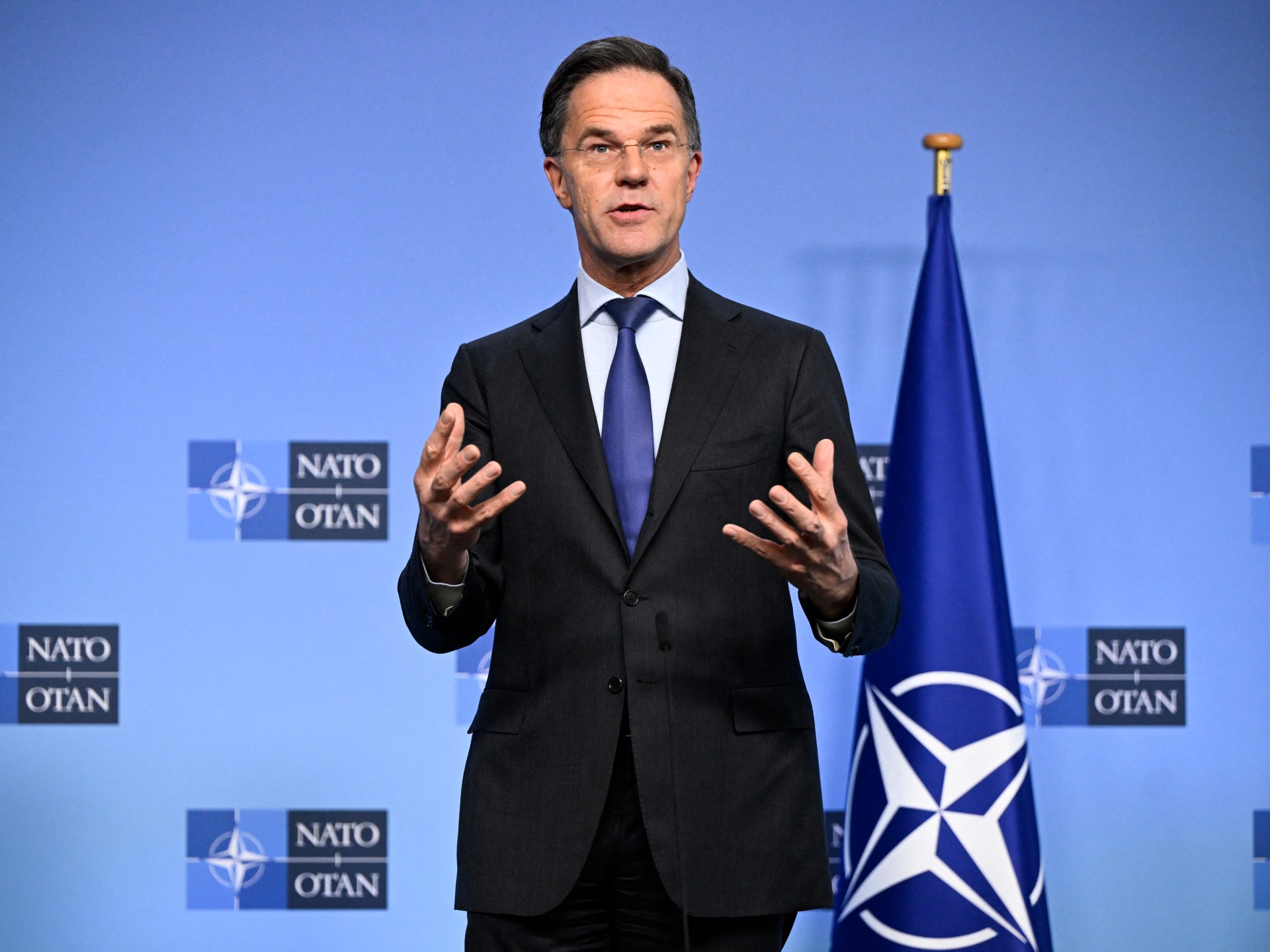
European Leaders Discuss Mutual Assistance Clause Amid US-NATO Tensions
Several European leaders have called for a discussion on utilizing the European Union’s mutual assistance clause, Article 42.7, amid growing tensions with the United States and NATO. The EU treaty’s clause states that if an EU member state is targeted by armed aggression on its territory, other member states are obligated to provide aid and assistance.
The US has been critical of NATO members’ defense spending, and President Donald Trump has questioned the value of the alliance. Tensions escalated after the US and Israel launched a war on Iran, with Trump accusing allies of failing to support Washington and dismissing NATO as a “paper tiger.” The Pentagon has reportedly prepared a memo examining options to punish allies deemed insufficiently supportive during the conflict.
In response, European leaders are seeking clarification on how Article 42.7 would be implemented in practice if triggered. Cyprus, an EU member but not a NATO member, has been particularly eager to strengthen the clause after a drone struck a British airbase on the island during the Iran war. Cypriot President Nikos Christodoulides stated that leaders agreed it was time to define how the provision would work.
French President Emmanuel Macron emphasized the importance of treating Article 42.7 as a binding commitment rather than a symbolic gesture. Antonio Costa, president of the European Council, said the bloc is drawing up a “handbook” for the use of the clause. EU foreign policy chief Kaja Kallas stated that Europe must step up its defense efforts following Trump’s comments on the transatlantic relationship.
The discussion comes as NATO faces questions about its unity and ability to defend itself without US support. The EU’s mutual assistance clause is not backed by an integrated military command structure or a permanent force, unlike NATO’s Article 5.
Source: Al Jazeera