Naval blockades and sieges have become increasingly common worldwide recently
May 3, 2026 • Al Jazeera
Here is a rewritten version of the article in a neutral newsroom style:
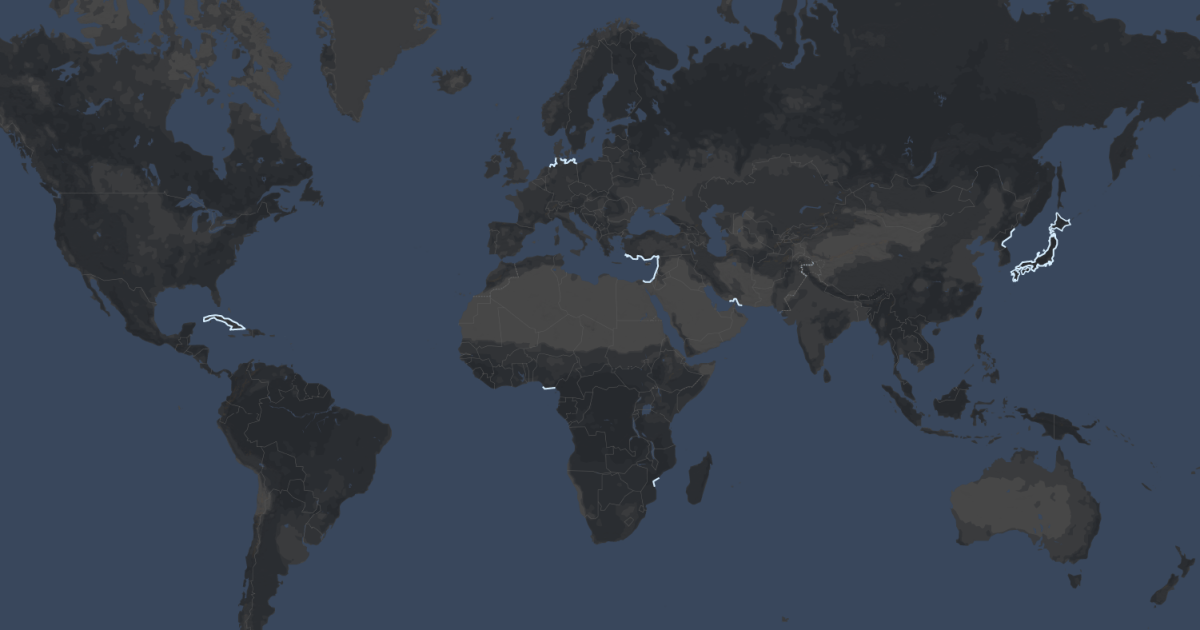
Naval blockades have been employed as a military tactic for centuries, utilizing sea control to restrict an enemy’s access to essential supplies. The Strait of Hormuz, a vital waterway that previously accounted for approximately one-fifth of global oil and gas production, remains closed following the imposition of competing blockades by the United States and Iran.
Notable examples of naval blockades in modern history include Israel’s ongoing blockade of the Gaza Strip, which has been in place since 2007. The blockade restricts the entry of goods and essential supplies, resulting in a prolonged humanitarian crisis for the strip’s 2.3 million residents. In recent years, fishermen have taken extreme measures to feed their families, leading to several fatalities.
Another example is the Nigerian Civil War, which began in July 1967. The federal government imposed a land, sea, and air blockade on the secessionist Republic of Biafra, resulting in widespread starvation and an estimated death toll of one to two million people. The blockade ended with the Biafran surrender in January 1970.
The Beira Patrol, a nine-year-long naval blockade by the British navy, aimed to prevent oil from reaching Rhodesia (present-day Zimbabwe) through the Mozambican port of Beira. However, the operation largely failed its strategic goal, as Rhodesia continued to receive oil via South Africa and other Mozambican ports.
In October 1962, the United States imposed a naval “quarantine” on Cuba after discovering Soviet nuclear missile sites under construction on the island. The quarantine drew international attention and brought the world to the brink of nuclear war.
These examples demonstrate the significant impact that naval blockades can have on economies, societies, and alliances.
Source: Al Jazeera