Nepals Monarchy Still Exerts Influence 20 Years After Ouster
March 4, 2026 • Al Jazeera
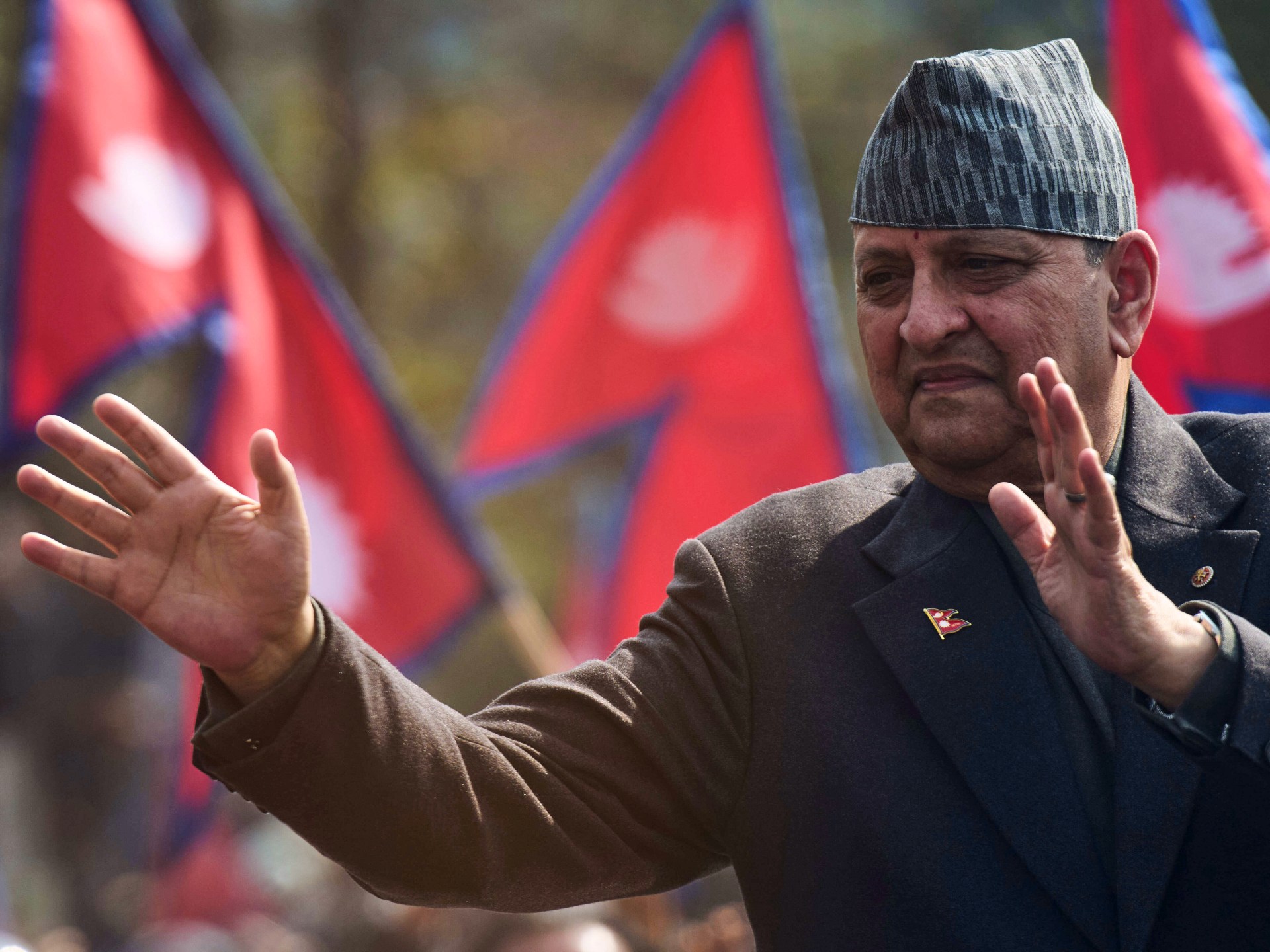
Former Nepalese King Gyanendra Shah Returns to Capital Amid Ongoing Political Turmoil
Kathmandu, Nepal - On February 14, former King Gyanendra Bir Bikram Shah landed in Kathmandu on a helicopter from Jhapa, where he has business interests. Thousands of supporters greeted him at the airport, chanting slogans such as “Come back, king, save the country!” Four days later, on the eve of Nepal’s Democracy Day, Shah released a video message expressing his sense of duty and responsibility towards the nation.
Shah stated that the country is in a difficult situation and suggested that national consensus should be sought before proceeding with elections. The former monarch explicitly opposed the scheduled parliamentary election, which was aimed at Nepalis who still hold nostalgia for the monarchy, abolished in 2008 after seven years of Shah’s rule.
Since its abolition, Nepal has experienced significant political instability, with 14 governments and nine prime ministers having taken office since then. A recent Gen Z-led uprising challenged the dominance of established parties, leading to the formation of an interim government overseeing the March 5 election.
The Rastriya Prajatantra Party (RPP), which won 14 seats in the 2022 parliamentary election, has expressed support for the restoration of a constitutional monarchy. Its leader, Rabindra Mishra, stated that Shah’s call for consensus echoed his own thoughts.
Shah had previously made similar public appearances in Kathmandu, sparking speculation about his intentions. Critics view these actions as calculated political signalling. Ex-prime minister and former Maoist leader Baburam Bhattarai expressed concern over Shah’s statements, stating that they were not suitable for a time of crisis.
Source: Al Jazeera