Nigerias Algorithmic Apothecary Fuels Surge in Risky Herbal Cures
May 31, 2026 • Al Jazeera
Here is a rewritten version of the article in a neutral newsroom style:
Abuja, Nigeria – Reports have emerged of individuals experiencing adverse health effects after using unverified herbal remedies found on social media. Oke Bola, a woman in her early 40s, reported struggling to breathe after taking a fertility supplement she purchased online. Her symptoms eased after she stopped taking the product.
A study published in 2025, titled “The Toxicological Evaluation of Jinja: A Local Herbal Mixture (LHM),” found that the herbal mixture appeared safe for short-term use within tested dosage ranges. However, researchers recorded biochemical changes at higher doses, including altered creatinine and sodium levels, which may indicate possible kidney and liver stress.
Another individual, Temi Ahondiwura, reported worsening vision problems after using a herbal eye treatment purchased through Facebook. The product claimed to treat multiple eye conditions.
According to pharmacist Akinade Akinlolu and Dr. Egemba Chinonso Fidelis, the rise of social media-driven self-medication, particularly involving unverified herbal products, is contributing to worsening health outcomes, delaying treatment, and adding pressure to an already strained healthcare system.
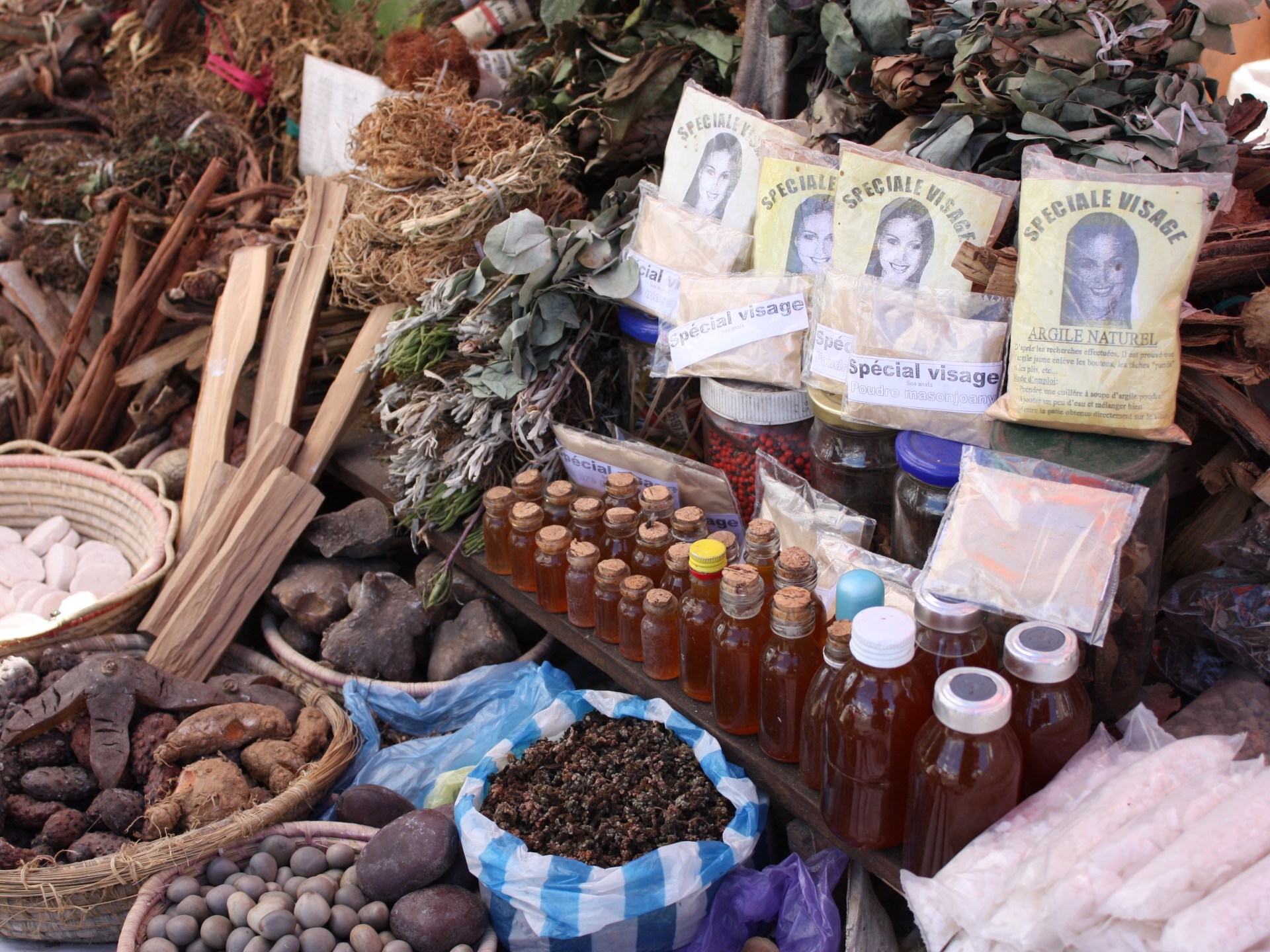
The use of digital platforms for health information and advice has increased among Nigeria’s young population, creating an “algorithmic apothecary” – an unregulated online marketplace where influencers and anonymous sellers promote remedies with little or no scientific backing. A report by Surjen Healthcare associates this trend with rising self-medication, late hospital admissions, and increased exposure to unsafe or counterfeit products.
The Nigerian herbal medicine market continues to grow, but weak enforcement online has allowed unverified products to spread widely.
Source: Al Jazeera