Oil Prices: What You Need to Know About Global Supply Dynamics
April 13, 2026 • Al Jazeera
Here’s a rewritten version of the article in a neutral newsroom style:
Oil Prices Show Discrepancy Between Physical and Futures Markets
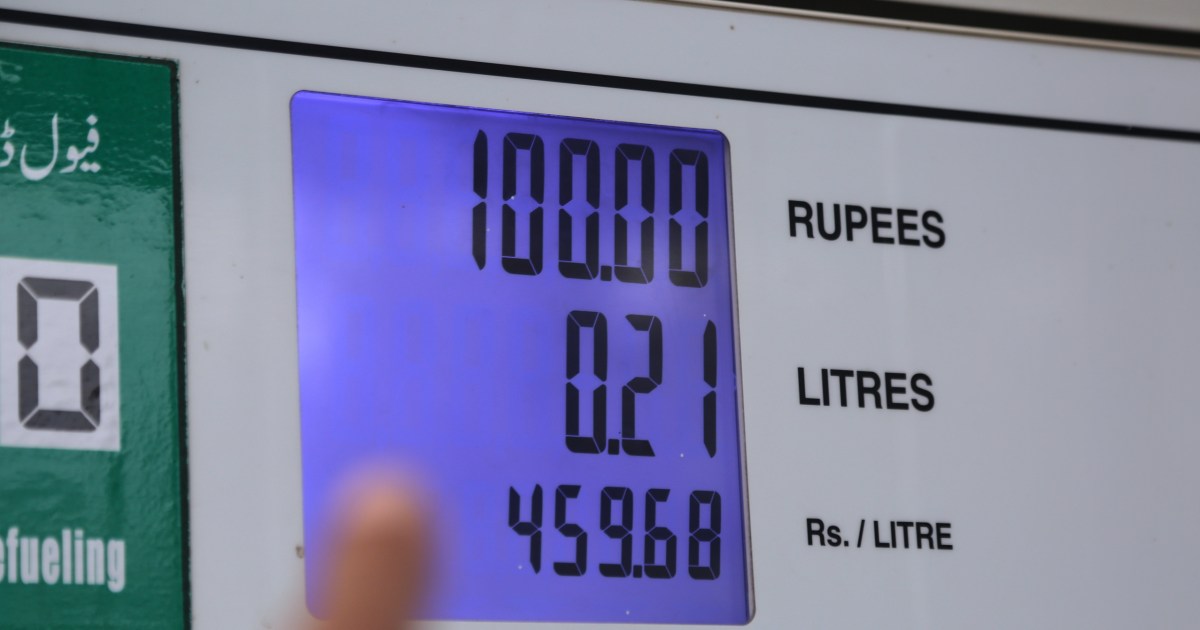
The price of oil has surged significantly since the start of the US-Israel war on Iran, with crude prices rising sharply to top $103 a barrel. The main international benchmark for prices, Dated Brent, reached an all-time high of over $144 a barrel last week, driven by the effective blockade of the Strait of Hormuz.
The oil trade can be divided into two distinct markets: physical sales and contracts for future oil deliveries, known as futures. Since the start of the war, prices in these markets have diverged substantially. The principal benchmark for spot prices is Dated Brent, which reflects the per-barrel price of oil scheduled for shipment in the next 10 to 30 days.
Analysts say that the gap between physical and on-paper oil prices points to a more serious energy shock than previously thought. Pavel Molchanov, an investment strategist at Raymond James & Associates, notes that if someone wants oil for immediate delivery, what matters is the spot price. However, Brent futures reflect the price of oil due to be loaded months or even years from now.
The Strait of Hormuz, which normally carries about one-fifth of global oil supplies, has been severely impacted by Iran’s blockade. Only 17 vessels transited the strait on Saturday, down from roughly 130 daily transits before the war. Despite efforts to boost alternative supply routes, the global economy is still facing a daily shortfall of about 8 million barrels of oil.
The surge in prices prompted by the supply crunch has looked markedly different depending on whether one’s reference point has been real-world transactions or electronic trades. The gap between spot and futures prices has widened significantly since the conflict began, with Dated Brent last week reaching an all-time high.
Source: Al Jazeera