Oil Reserve Release May Not Significantly Impact Rising Fuel Prices
March 12, 2026 • Al Jazeera
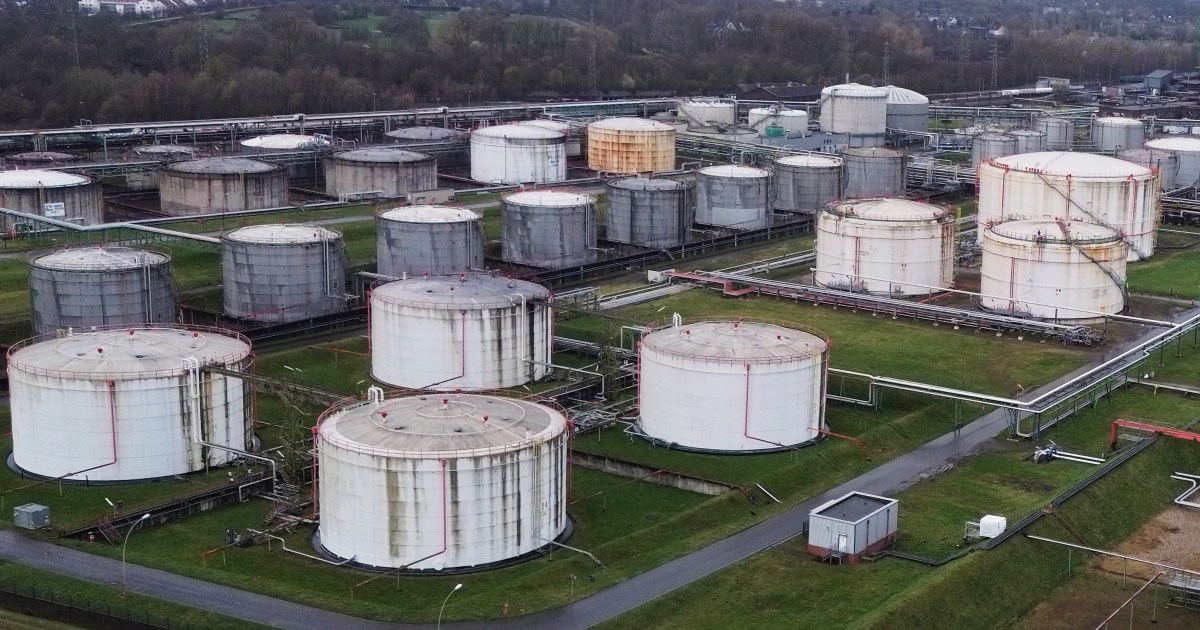
Global Oil Prices Remain Elevated Despite IEA’s Largest Reserve Release
The International Energy Agency (IEA) announced plans to release 400 million barrels of oil into the market, marking the largest reserve release in history. The move aims to stabilize prices amid the ongoing conflict between the United States and Israel and Iran.
As of Thursday morning, global oil prices were hovering around $100 per barrel, up over 35% since the start of the war. Brent crude, the international benchmark, rose by approximately 15% following the IEA’s announcement.
Market analysts note that while the release may provide short-term relief, it is unlikely to have a significant impact on lowering prices if the Strait of Hormuz remains closed. The strait, which connects Iran, Oman, and the United Arab Emirates, has seen traffic come to an effective halt due to Tehran’s threats against shipping in the region.
At least five commercial ships were attacked in the region on Wednesday, including two oil tankers in the Iraqi port of al-Faw. US President Donald Trump has offered mixed messages on the duration of the conflict, stating that it would end “very soon” and that US forces had not yet won enough.
The IEA’s reserve release is historic in scope, seeking to temporarily address a massive shortfall in oil supplies. Under normal circumstances, approximately 20 million barrels of oil pass through the strait each day. However, after 12 days of war, the global shortfall has exceeded 200 million barrels, more than half of the planned release.
Experts caution that the reserve release may not be enough to alleviate prices, as market expectations are already factored into the price increase. The US Department of Energy plans to release its portion of the reserves, totaling 172 million barrels, beginning next week.
Source: Al Jazeera