Oil reserves in developing countries dwindle amid global energy shortages
May 12, 2026 • Al Jazeera
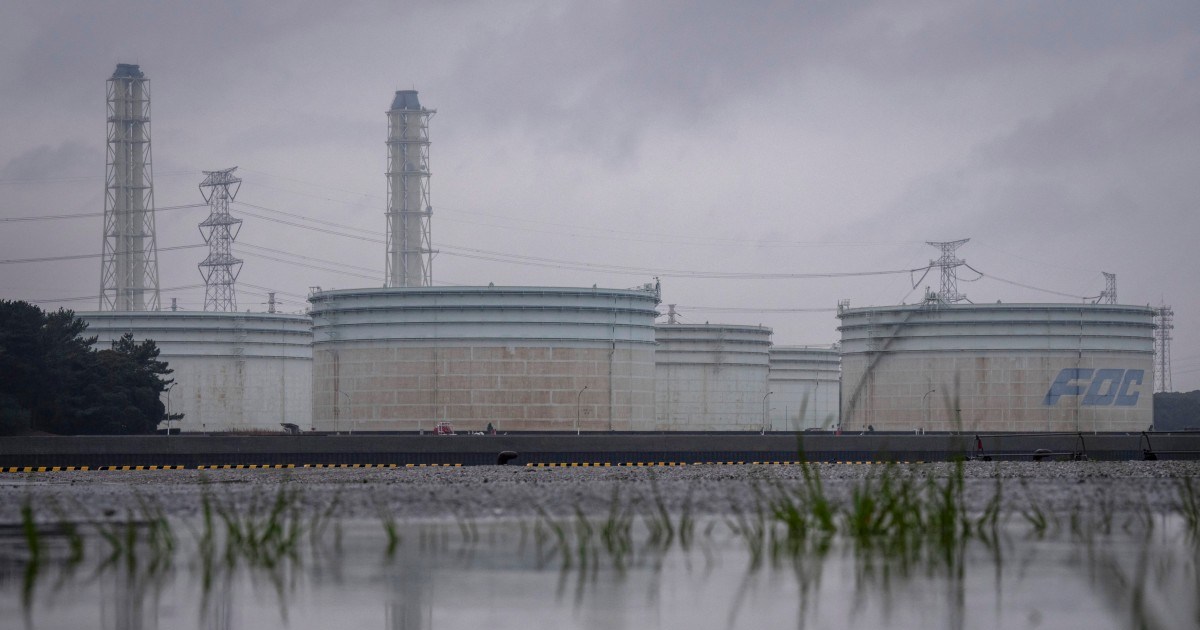
Global South Countries Struggle to Respond to Oil Shock
Governments in developing countries are facing significant challenges in responding to the current energy crisis caused by the Iran war. The blockade of the Strait of Hormuz has led to a surge in fuel prices, affecting most of the world, but poorer countries are among the worst affected.
According to the International Energy Agency (IEA), 32 member countries that represent about 16% of the global population have maintained oil stockpiles equivalent to 90 days of their imports. However, many developing countries lack energy reserves to cushion the impact of price shocks.
The IEA’s coordinated release of 400 million barrels of emergency reserves in March aimed to ease prices globally, but highlighted the lack of stockpiles across much of the Global South. The Asia Pacific region, where many economies are heavily reliant on imported fuel, is expected to take the biggest economic hit.
Estimating oil stockpiles across countries is difficult due to patchy data. While IEA member countries hold a significant portion of global reserves, several non-IEA members also maintain substantial stockpiles. China, for example, is estimated to have about 1.4 billion barrels of emergency supplies, more than the combined reserves of the US, Japan, and Saudi Arabia.
The lack of oil stockpiles in developing countries has raised concerns about their ability to mitigate the impact of price shocks. According to research fellow Khalid Waleed, “Strategic petroleum reserves are expensive to build, fill, finance, rotate, and govern.” Developing countries often face foreign exchange constraints, debt servicing pressures, and other challenges that make it difficult for them to invest in oil stockpiles.
The IEA’s influence over oil prices has diminished as the economic influence of countries such as China and India has increased. This has led to greater risks to global energy security, according to energy expert Andreas Goldthau. The smaller share of OECD nations in global demand has reduced the IEA’s sway over oil prices, making it more challenging for developing countries to respond to price shocks.
As a result, developing countries are among the “least able to pay the premium” of building up oil stockpiles, making them especially vulnerable to price shocks. The Asian Development Bank has downgraded its 2026 growth outlook for the region’s developing economies to 4.7 percent, down from an earlier estimate of 5.1 percent.
Source: Al Jazeera