Pakistan to Egypt, Iran conflict fuels price increases globally
March 25, 2026 • Al Jazeera
Developing economies in Asia, Africa, and the Middle East are facing significant challenges due to rising energy costs. The United States-Israeli conflict with Iran has led to increased tensions in the global economy, affecting countries heavily reliant on imported energy.
In Pakistan, for example, the government has implemented measures to conserve fuel amid a shortage of petrol and diesel reserves. Schools have been closed, and public sector employees are working reduced hours. Pakistani Prime Minister Shehbaz Sharif announced that the government would absorb the cost of rising fuel prices, citing the need to maintain stability during the Eid Al-Fitr celebration.
In Bangladesh, fuel rationing has been introduced, but petrol pumps in some districts have run dry due to high demand and limited supply. Sri Lanka has also taken steps to conserve energy, declaring every Wednesday a public holiday and introducing a mandatory fuel pass for vehicle owners.
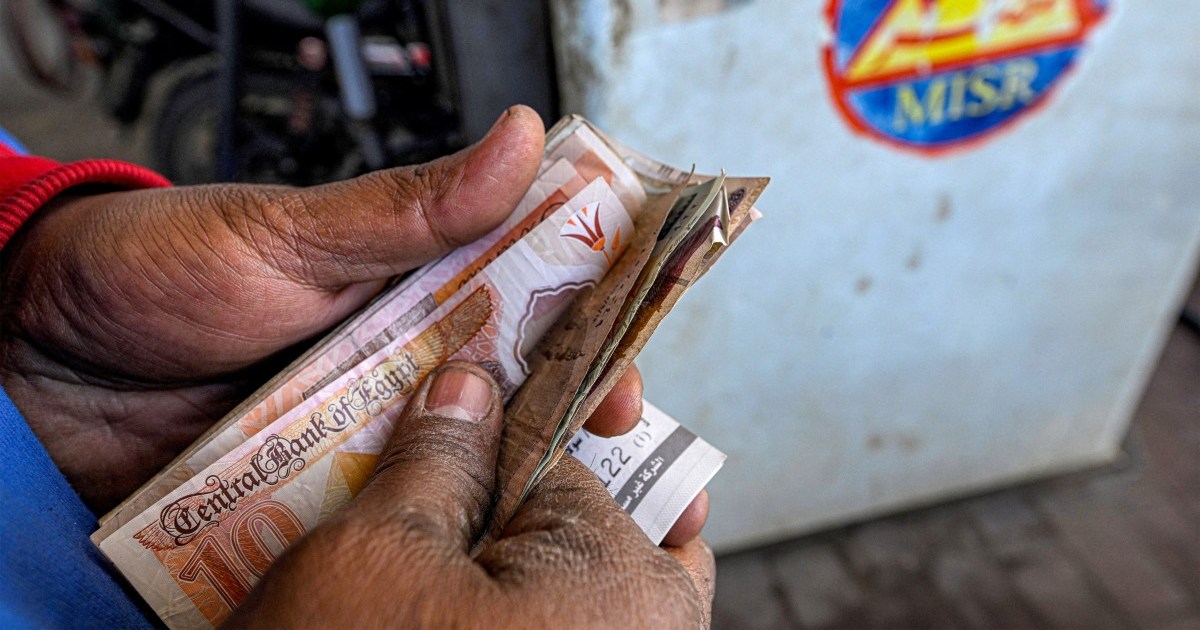
Egypt has implemented measures to reduce energy consumption, including closing malls, shops, and cafes by 9pm on weekdays and 10pm during weekends. The government has also increased prices of petrol, diesel, and cooking gas by between 15 and 22 percent.
Experts warn that the impact of rising energy costs will be felt across developing economies, particularly those with high import dependence and fragile macroeconomic foundations. Countries such as Pakistan, Bangladesh, Sri Lanka, Jordan, Senegal, Egypt, Angola, Ethiopia, and Zambia are among those most at risk.
According to recent analysis, these countries face a potent mix of inflation, currency pressures, and fiscal strains. The effects of the conflict with Iran will be closely monitored, as they have the potential to disrupt energy supplies and drive up prices further.
Source: Al Jazeera