Pakistan to face economic and diplomatic consequences of potential Iranian conflict
April 4, 2026 • Al Jazeera
Pakistan Experiences Economic Strains Following Middle East Conflict
A recent escalation in tensions between the US, Israel, and Iran has led to a significant increase in energy costs for Pakistan. The country’s reliance on Gulf-based energy supplies makes it particularly vulnerable to disruptions in global markets.
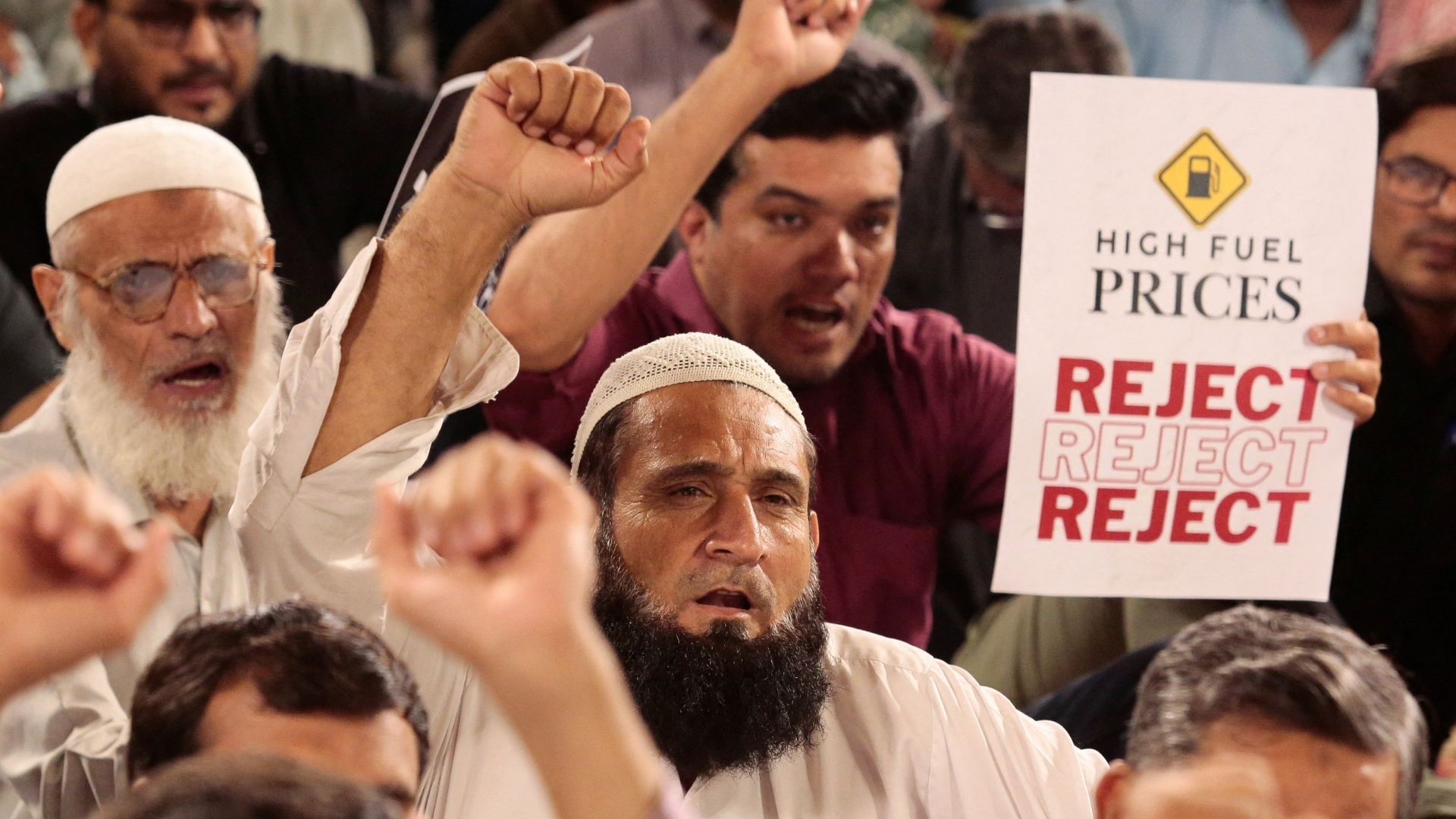
The Strait of Hormuz, a critical waterway connecting Europe and Asia, was recently blocked, prompting Pakistani authorities to raise fuel prices twice within a month. This decision sparked widespread protests as citizens expressed frustration with the government’s handling of the situation.
Experts weigh in on Pakistan’s unique vulnerability to this crisis. According to Kaiser Bengali, an economist and former head of the Chief Minister’s Policy Reform Unit for Balochistan, Pakistan’s heavy dependence on Gulf energy supplies makes it more susceptible to price fluctuations.
Michael Kugelman, senior fellow for South Asia at the Atlantic Council, notes that Pakistan’s economic situation is further complicated by its limited energy reserves. This scarcity forces the government to rely heavily on imported fuels, making it more vulnerable to disruptions in global markets.
Ali Salman, founder and CEO of the Policy Research Institute of Market Economy, highlights the impact of the conflict on Pakistan’s economy. “The current crisis has exposed weaknesses in Pakistan’s energy sector,” he says. “The government must take immediate action to address these concerns and ensure a stable energy supply for its citizens.”
Source: Al Jazeera