Pakistani farmers sue German companies over deadly 2022 floods
March 20, 2026 • Al Jazeera
Here is the rewritten article in a neutral newsroom style:
Farmers in Pakistan Sue German Companies Over Emissions Allegedly Linked to Devastating Floods
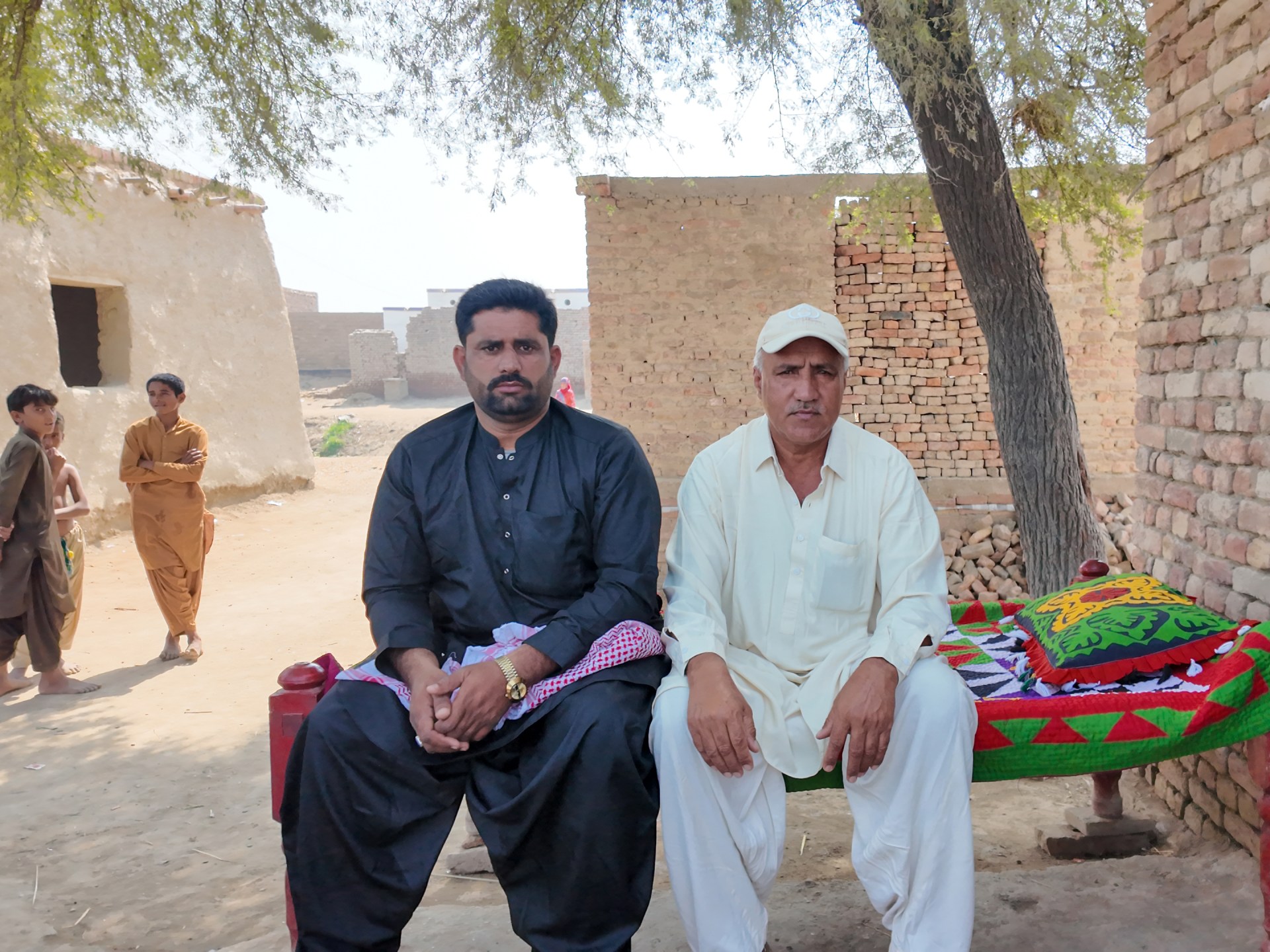
Inayatullah Laghari, a 40-year-old farmer from Baid Sharif village in Dadu district of Sindh province, stands on his toes to point at a faint line on the school wall, a watermark left by floodwaters that submerged the building and surrounding villages during the catastrophic floods in Pakistan four years ago. The incident serves as a reminder of the devastating impact of the 2022 floods, which displaced 30 million people, killed over 1,700, and caused an estimated $40 billion in damages.
Laghari’s village was among those severely affected by the floods, which were attributed to climate change by Pakistan’s government. The United Nations Secretary-General described the event as “monsoon on steroids.” A group of 39 Pakistani farmers from Sindh have taken two German companies, RWE and Heidelberg Materials, to court over their alleged contribution to the historic deluge.
RWE, one of Europe’s largest electricity producers, and Heidelberg Materials, a leading manufacturer of building materials, are among 178 industrial producers worldwide responsible for 70 percent of global carbon emissions. The farmers’ lawsuit argues that despite not having physical operations in Pakistan, the companies’ greenhouse gas emissions have an impact on the country thousands of kilometers away.
The case is being represented by Miriam Saage-Maab, legal director at the European Centre for Constitutional and Human Rights (ECCHR). She stated that neither company has any ground operations in Pakistan but emphasized that the lawsuit’s significance lies in defining how responsibility for climate harm can be calculated and assigned. The case is currently under review in a Heidelberg court.
This lawsuit is inspired by a similar case filed by a Peruvian farmer in 2015, which was dismissed in 2025 but also established that companies can be held liable for specific climate-related harms caused by their carbon emissions.
Source: Al Jazeera