Pakistans Fuel Crisis Enters Homes as Gas Shortages Worsen Nationwide
May 12, 2026 • Al Jazeera
Here is a rewritten version of the article in a neutral newsroom style:
Pakistan’s Energy Crisis Affects Daily Life
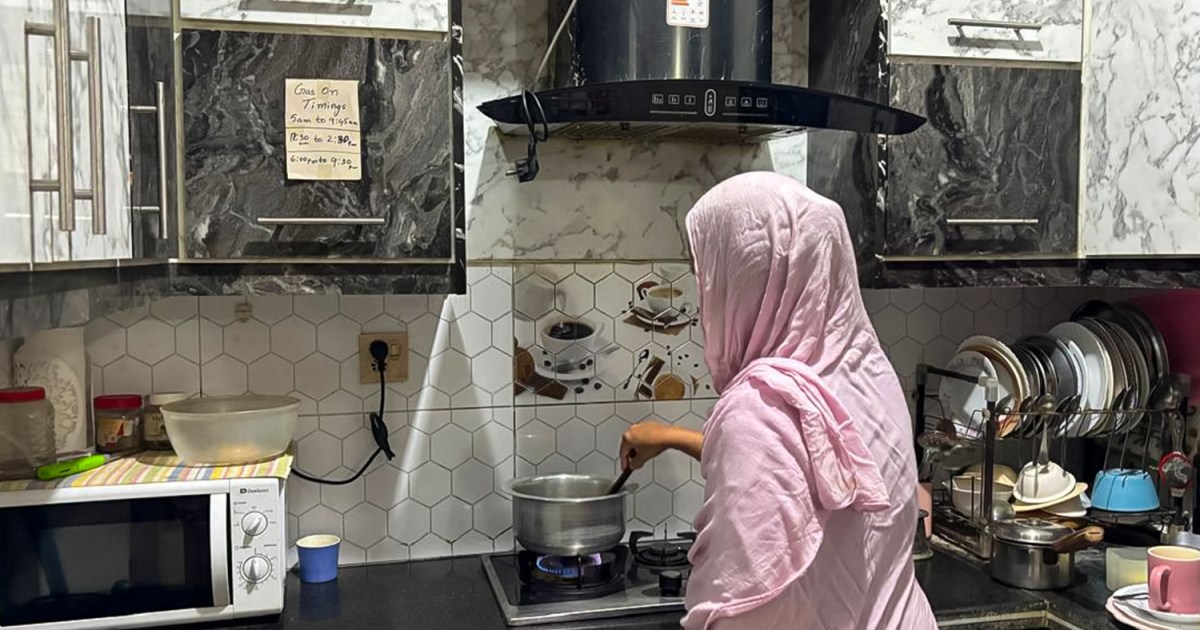
In Karachi, Pakistan, women are adjusting their daily routines due to the country’s energy crisis. The crisis has led to short windows for cooking gas, which can last anywhere from 6am to 9:30am, noon to 2pm, and again from 6pm to 9:30pm.
According to Farhat Qureshi, a 60-year-old woman, her mornings now revolve around when the gas will be available. She cooks for four people, including her husband and two children, without any help, making the gas schedule central to her daily plans.
The energy crisis has intensified since the US and Israel attacked Iran on February 28, leading to a shortage of liquefied natural gas (LNG). Pakistan’s LNG imports had fallen from 8.2 million tonnes in 2021 to 6.1 million tonnes by late 2025. The country meets most of its daily gas needs from domestic gasfields, which have been in slow decline for years.
Pakistan receives almost all of its LNG from Qatar and the United Arab Emirates, with imported LNG powering roughly a quarter of the country’s electricity. However, shipments have dropped drastically since the start of the war, with only two shipments arriving in March.
As a result, Pakistani households are experiencing the energy crisis differently. Women are waking up earlier to cook, rearranging meals, delaying rest, and planning their days around the prospect of getting gas in their stoves. The timetable has altered the manner in which Qureshi navigates her house or life.
According to data from Pakistan’s Oil and Gas Regulatory Authority (OGRA), monthly cargo data shows that the country received between eight and 12 LNG shipments a month in 2025 and early 2026. However, with the onset of the war, shipments have become more erratic, leading to longer cooking times due to low pressure.
The energy crisis is affecting women’s unpaid care work, with day-to-day chores such as cooking and cleaning often treated as noneconomic work. According to a 2024 policy brief by the Pakistan Institute of Development Economics and the United Nations Population Fund (UNFPA), women spend approximately three hours a day on unpaid, nonmarket work, with the longest time spent in the kitchen.
Laiba Zahid, a 24-year-old teacher, says her days are now divided into the windows of breakfast, lunch, and dinner that are defined by the gas supply. “Our dinner time is set,” she said. “We have to have early dinners because after 9pm, the gas flow becomes really slow.”
Source: Al Jazeera