Pakistans LNG surplus turns to shortage due to Iran conflict
April 3, 2026 • Al Jazeera
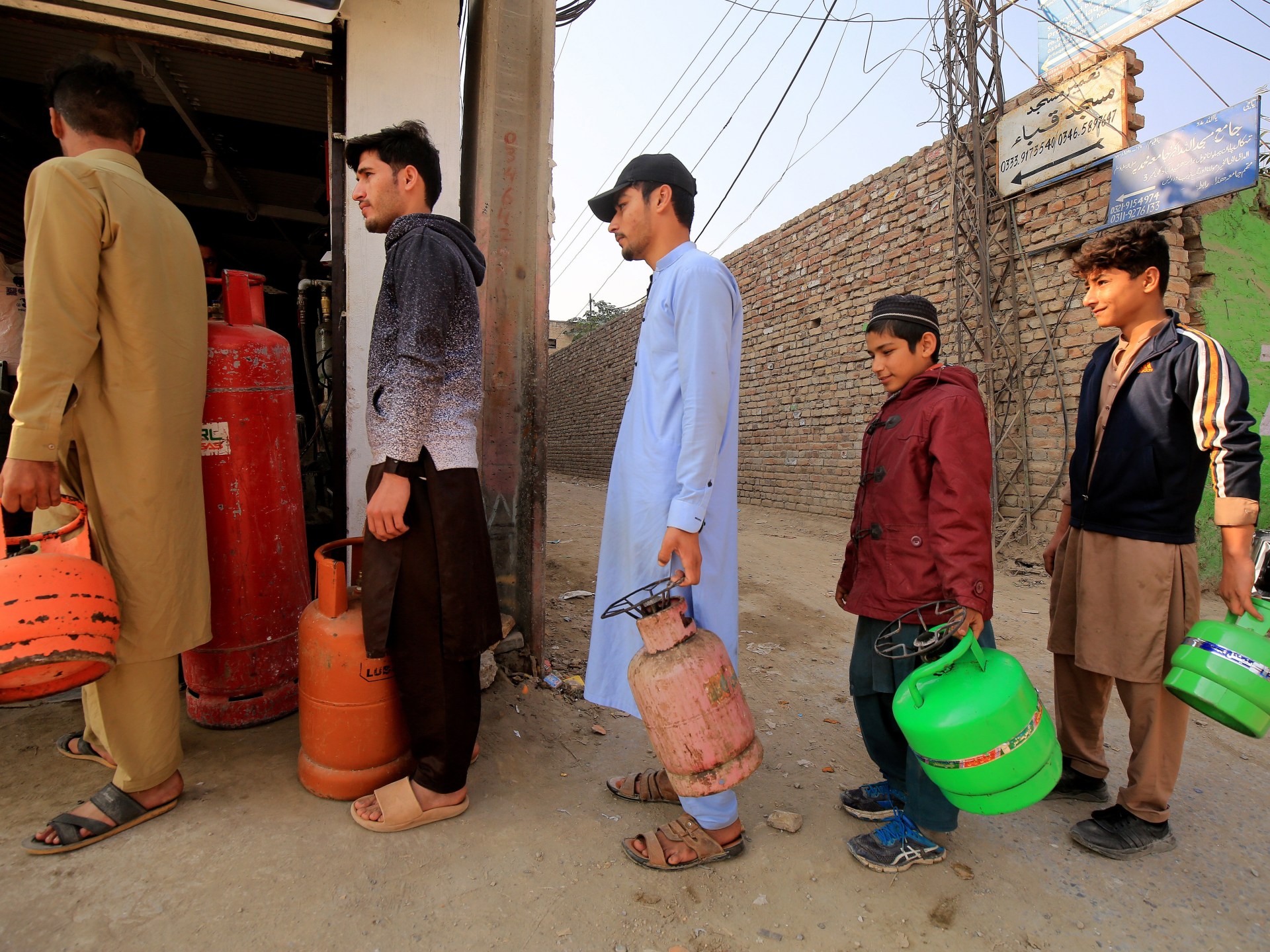
Pakistan Faces Potential Gas Shortage Crisis Amid Escalating Regional Conflict
Islamabad, Pakistan – As of this year, Pakistan’s imported liquefied natural gas (LNG) supplies have decreased significantly due to a decline in demand over the past three years. The country had previously received more LNG than it could use, but with the rise of cheap solar panels and factories reducing their energy consumption, the demand for gas has fallen.
In response, the government sold excess gas shipments to other countries and shut down domestic gas wells to prevent pipeline ruptures caused by oversupply. However, with the recent escalation of a regional conflict, Pakistan’s LNG supplies have collapsed.
The conflict began on February 28, when the United States and Israel launched hundreds of strikes against Iran in an operation named Epic Fury. The strikes targeted Iranian missiles, air defenses, military infrastructure, and leadership. In response, Iran fired hundreds of missiles and drones across the region, disrupting energy transportation through the Strait of Hormuz.
As a result, Qatar’s gas facilities at Ras Laffan Industrial City were hit by Iranian drones on March 2, halting all production and declaring force majeure. The conflict escalated further when Israel struck Iran’s South Pars gas field on March 18, threatening both Iran’s and Qatar’s gas production simultaneously.
Pakistan, which relies heavily on imported LNG from Qatar and the United Arab Emirates, is now facing a potential gas shortage crisis. With no emergency reserves, the country meets its daily gas needs from three main sources: domestic gas fields, imported LNG, and bottled LPG. The bulk of Pakistan’s LNG supply comes from domestic gas fields, while the rest is supplied by Qatar under long-term contracts.
The conflict has disrupted energy supplies to Pakistan, with the country receiving fewer LNG shipments in March compared to previous months. As a result, prices have increased, affecting the country’s energy sector.
Source: Al Jazeera