Pakistans Military Expansion Raises Concerns in the Arab World
January 16, 2026 • Al Jazeera
Pakistan Seeks to Sell Jets and Weapons to Sudan’s Military in $1.5 Billion Deal
Pakistani officials have reportedly agreed to sell jets and weapons to Sudan’s military for a deal worth approximately $1.5 billion, according to Reuters. The agreement is part of Pakistan’s efforts to expand its military hardware sales to countries in Asia and Africa.
Sudan has been embroiled in a three-year conflict between the country’s armed forces and the paramilitary Rapid Support Forces (RSF), resulting in tens of thousands of deaths and millions of displaced people. The deal, if finalized, would be one of several recent moves by Pakistan to increase its military presence in the Arab world.
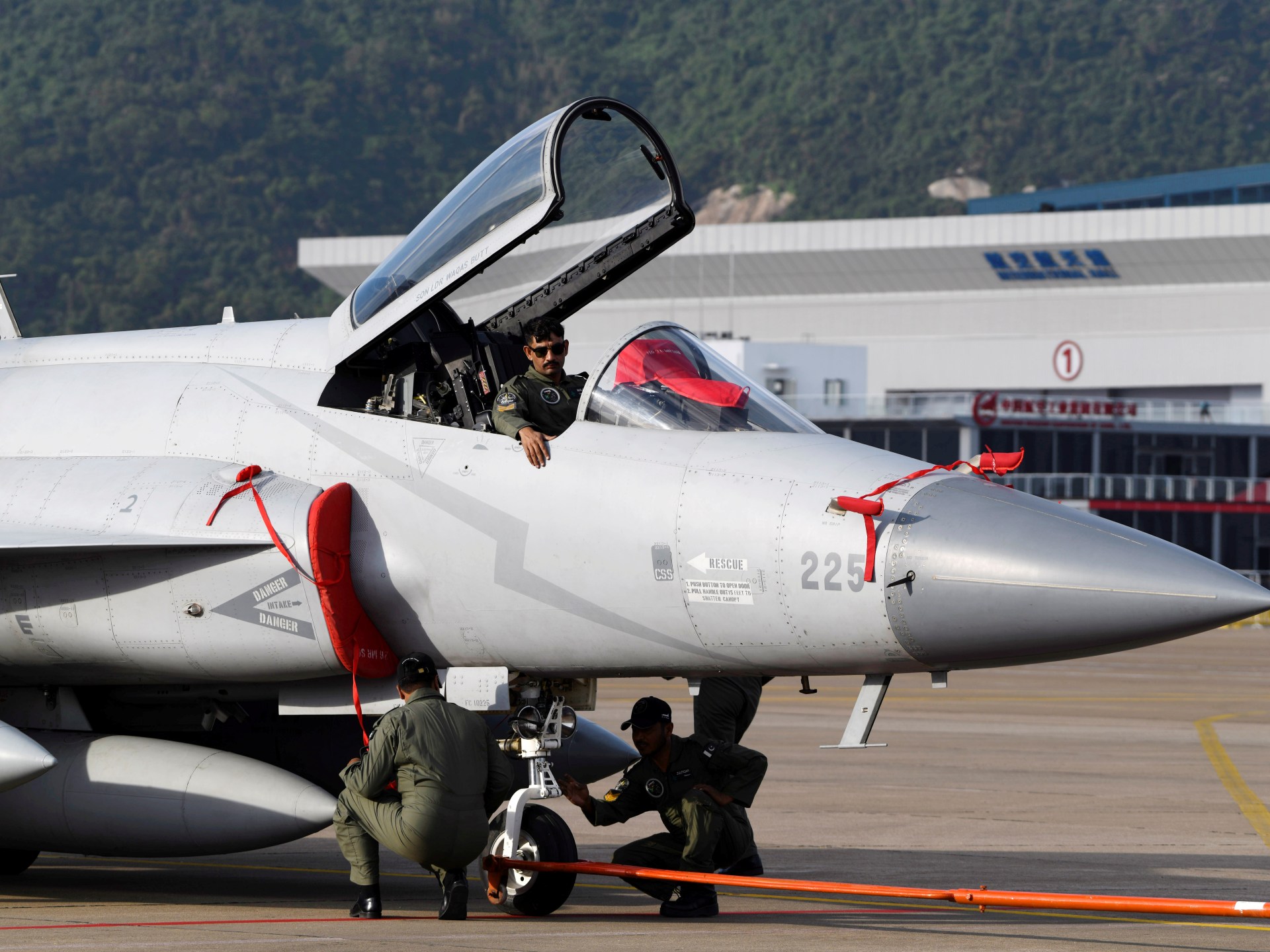
Pakistan has previously sold jets to multiple countries in Asia and Africa, but this deal marks a significant shift in its military role in the Middle East. The country’s Strategic Mutual Defence Agreement (SMDA) with Saudi Arabia last September has contributed to this change, as Saudi Arabia has expressed interest in purchasing Pakistan’s JF-17 Thunder fighter jet.
Saudi Arabia operates a large and sophisticated air force equipped primarily with US and European aircraft, but may be looking to diversify its defense suppliers amid shifting geopolitical dynamics. Analysts believe that the deal could prove pivotal in stabilizing the region, as Saudi Arabia seeks to support countries such as Libya, Somalia, and Sudan.
Pakistan’s military has produced 58% of the JF-17 Thunder jets, while China supplies the avionics. The latest version, Block 3, is a 4.5-generation fighter featuring advanced capabilities and electronic warfare systems. Iraq has also shown interest in purchasing the JF-17, according to Pakistan’s Inter-Services Public Relations (ISPR).
Analysts warn that divisions within the Arab world mean that Pakistan must tread carefully to avoid burning bridges with important partners.
Source: Al Jazeera