Pakistans Solar Industry Sees Growth Amidst Tensions with Iran
April 7, 2026 • Al Jazeera
Here is a rewritten version of the article in a neutral newsroom style:
A significant increase in the adoption of solar panels among Pakistani households has been reported, with approximately one-quarter of households now using this renewable energy source. This shift has helped mitigate the impact of rising fuel prices and global energy disruptions.
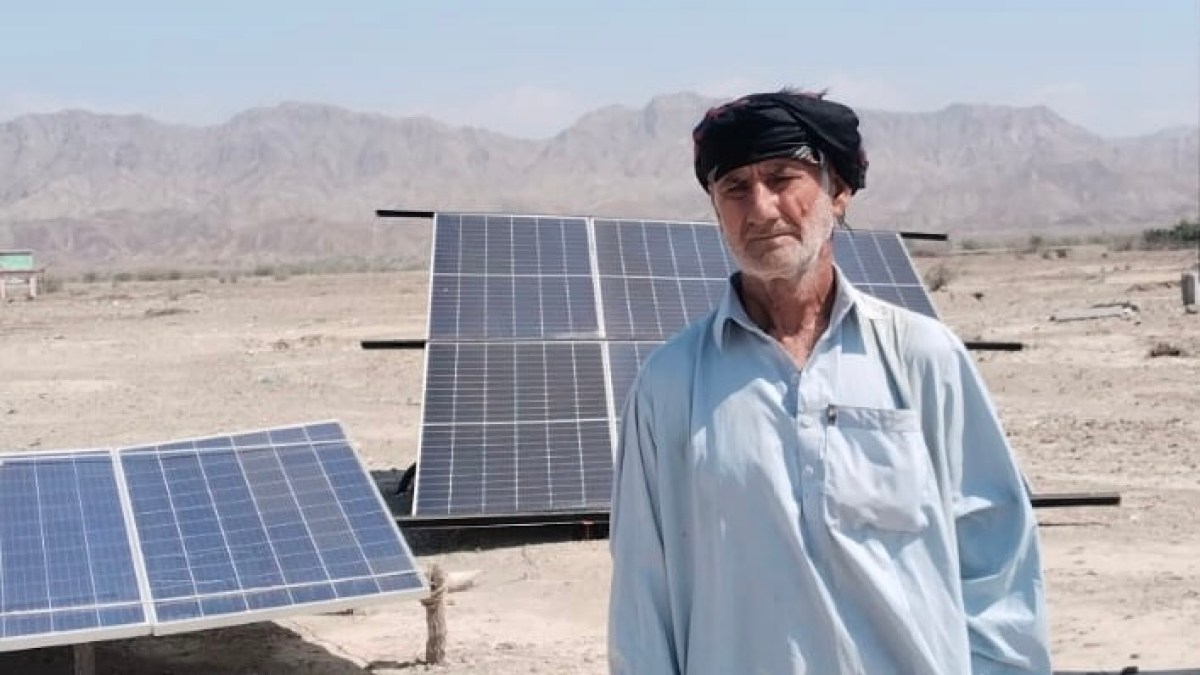
In the village of Dasht, Balochistan, Pakistan’s largest province, a farmer named Karim Baksh has seen his crops thrive thanks to the installation of solar panels. Prior to 2022, Baksh relied on a diesel-powered pump to irrigate his land, but rising fuel prices made it difficult to maintain. After borrowing money from relatives and friends, Baksh installed a row of solar panels next to his field in 2023.
Three years later, the decision has paid off, with Baksh’s pump running without diesel and allowing him to irrigate his watermelons uninterrupted. The village’s hot climate, which can reach temperatures of up to 51 degrees Celsius, poses challenges for energy production, but the solar panels have proven reliable.
Pakistan’s energy systems are heavily reliant on global supply routes, particularly the Strait of Hormuz, which handles 20 percent of oil and gas imports during peacetime. A recent report by the Council on Foreign Relations warns that a prolonged closure of the strait could lead to severe energy strain for Pakistan.
However, data suggests that the country’s rooftop solar boom has helped reduce its reliance on fossil fuels. According to a study by Renewables First and the Centre for Research on Energy and Clean Air, Pakistan has saved over $12 billion in fuel imports since 2018. This trend is expected to continue, with the solar share in the country’s energy mix increasing from 2.9 percent in 2020 to 32.3 percent in 2025.
The growth of rooftop solar installations has been driven by individual actions, rather than a national plan. As a result, Pakistan’s energy landscape is becoming increasingly decentralized and resilient to global disruptions.
Source: Al Jazeera