Palestinian cause faces challenges in finding bipartisan support internationally
February 15, 2026 • Al Jazeera
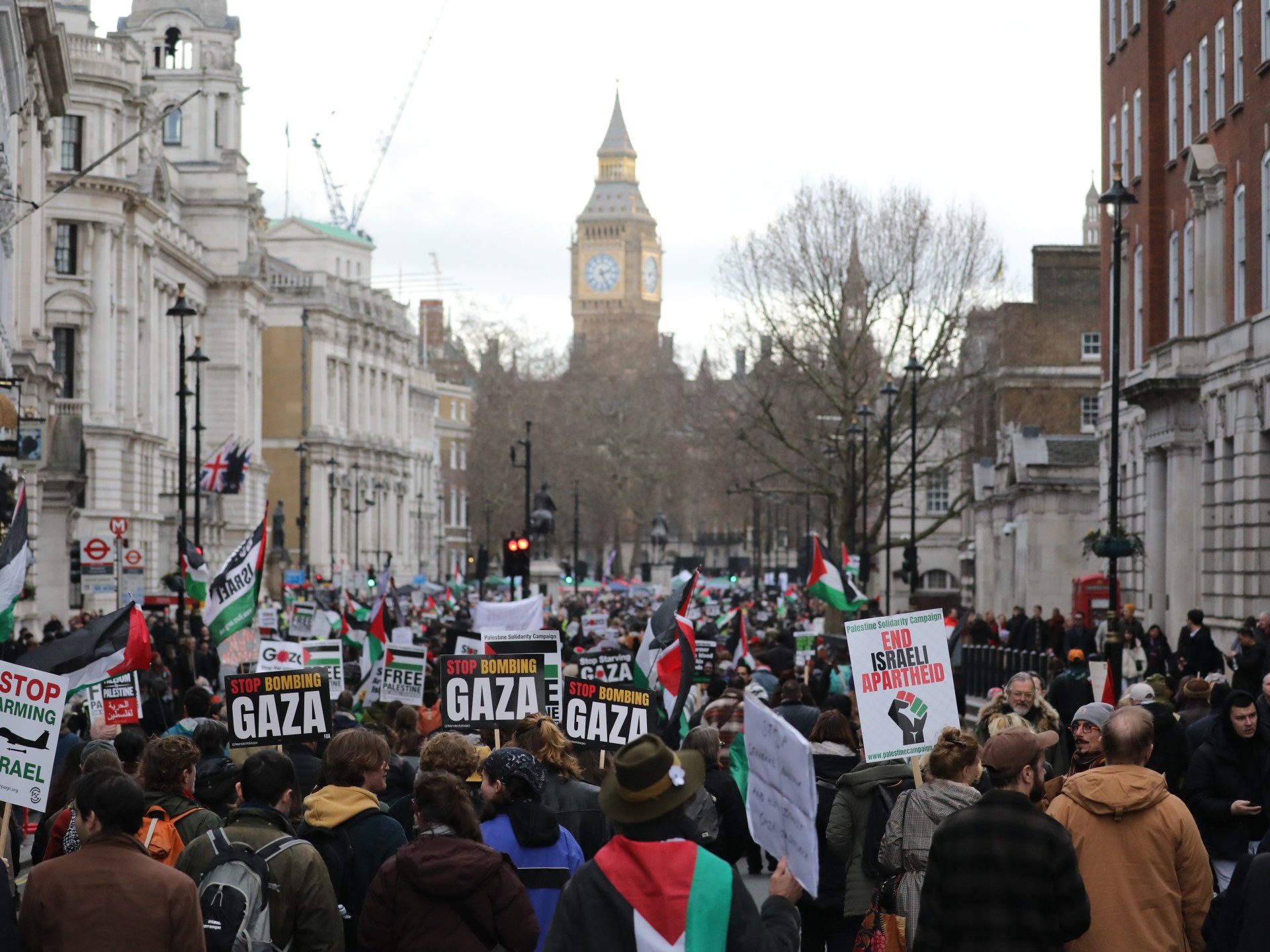
Palestinian Cause Faces Challenge in Shifting Western Policy
The Palestinian cause has traditionally found strong support on the left, with progressive movements and human rights organizations providing language, solidarity, and moral clarity. However, this alignment alone is insufficient to shift policy in spaces dominated by security thinking and conservative power.
Advocacy efforts must extend beyond sympathetic areas into spaces where decisions are shaped by security-driven calculations. In Western countries, military aid, diplomatic positioning, and protest laws are often influenced more by security considerations than activist pressure.
Despite growing public awareness and international scrutiny, the Palestinian movement has not seen significant leverage in its efforts to alter policy. Arms continue to flow, diplomatic cover persists, and restrictions on pro-Palestinian protests have expanded in several Western states.
Recent developments illustrate this gap between visibility and influence. In Germany, local authorities have banned or restricted pro-Palestinian demonstrations on security grounds. In the United States, student encampments have been cleared by police, and state legislatures have penalized institutions seen as tolerating boycott campaigns.
The Palestinian cause is rooted in international law, self-determination, and the right to live free from occupation and collective punishment. These principles are not inherently left-wing and resonate across political traditions. However, advocacy efforts often rely on anticolonial and human rights language that resonates strongly with the left but less so within conservative cultures.
As a result, Palestinian claims are frequently perceived as ideologically aligned rather than universally grounded. Engaging with right-leaning audiences requires a different framing, using security and legal vocabulary to articulate demands. This approach carries risks of misrepresentation or hostility, but disengagement leaves the field uncontested.
Recent events demonstrate that silence or limited engagement does not preserve principle. The Palestinian movement must adapt its strategy to engage with conservative power and shift policy in spaces dominated by security thinking.
Source: Al Jazeera