Palestinians in Gaza face dire living conditions
February 6, 2026 • Al Jazeera
Partial Opening of Rafah Crossing Brings Relief for Palestinians in Need of Treatment Abroad
The Rafah crossing between Gaza and Egypt has partially reopened, allowing a few dozen Palestinians to leave the enclave for medical treatment. The development comes after two years of Israeli-mandated closure, which had severely restricted access to essential services.
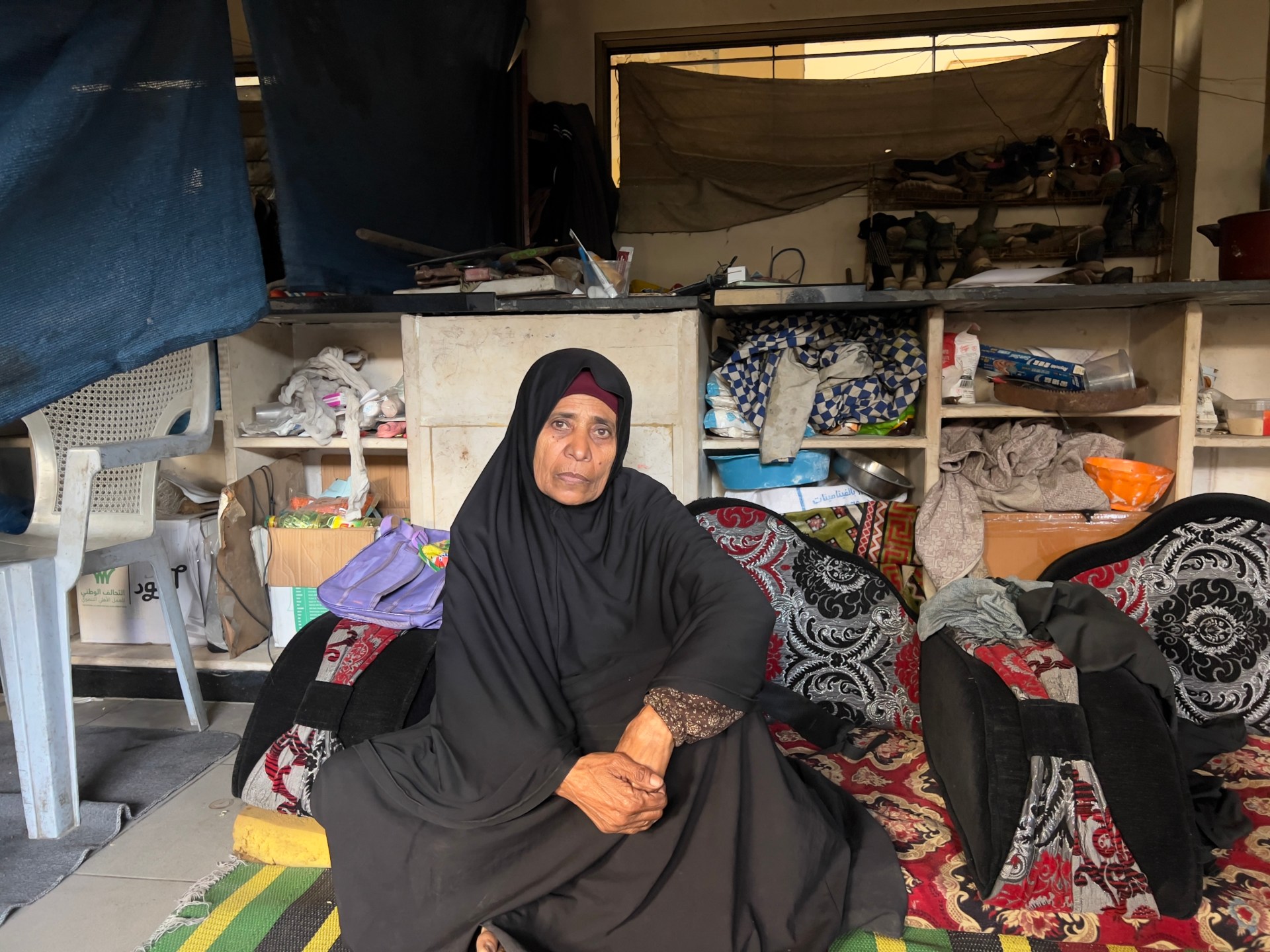
For many elderly Palestinians in Gaza, staying in their homeland is an act of survival, resistance, and historical memory. Kefaya al-Assar, a 73-year-old resident of Nuseirat, has faced displacement during Israel’s genocidal war on Gaza five times. Originally from Jabalia, she now shelters in a classroom at a school.
Kefaya’s family was forced to flee their village of Julis in 1948 due to the Nakba, a historical event that resulted in the depopulation of many Palestinian villages. She has suffered displacement and trauma throughout her life, including during Israel’s recent war on Gaza. Despite facing medical issues, including high blood pressure, Kefaya refuses treatment abroad, choosing instead to stay in Gaza.
Kefaya is not alone in her decision to remain in Gaza. Many elderly Palestinians are clinging to their homeland as an act of defiance against Israeli policies and actions. The Rafah crossing’s partial opening has brought relief for those in urgent need of medical attention, but it is unlikely to change the minds of those who have chosen to stay.
According to research by Amnesty International and HelpAge International, Israel’s blockade of aid and medicines to Gaza has contributed to a “physical and mental health crisis.” The Israeli government has repeatedly called for illegal settlements to be established in Gaza, and for Palestinians to be forced out. However, the desire to stay in Gaza on the part of elderly Palestinians is a testament to their resilience and determination.
The Rafah crossing’s partial opening marks the second phase of the Gaza “ceasefire,” but Israel continues to violate the agreement by regularly attacking the Palestinian enclave, killing hundreds. The humanitarian crisis facing Gaza remains largely overlooked, with many Palestinians struggling to access essential services due to the blockade.
Source: Al Jazeera