Panama Papers scandal: Ten years on, what impact has it had?
April 3, 2026 • Al Jazeera
Here’s the rewritten article:
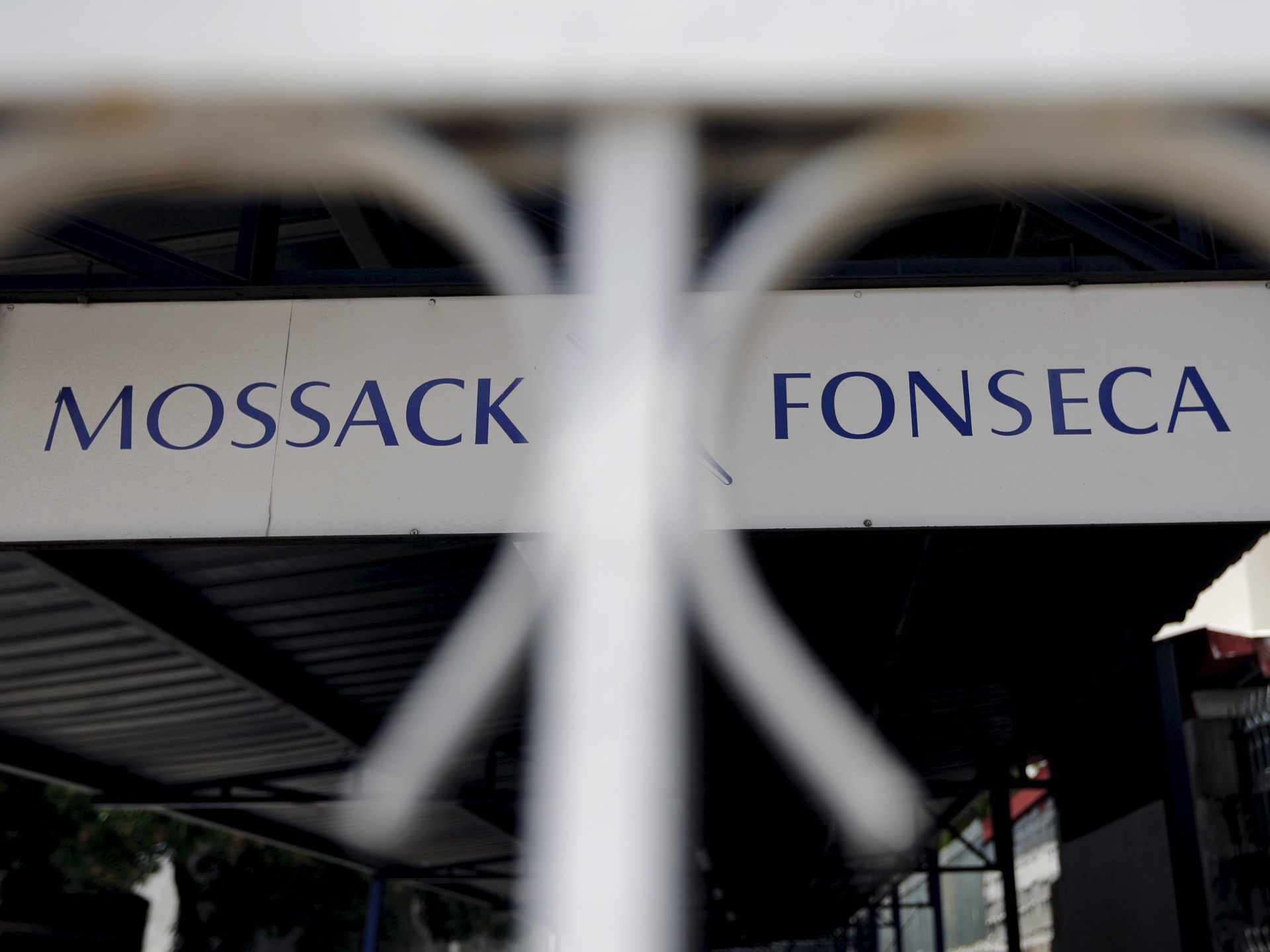
The International Consortium of Investigative Journalists (ICIJ) and the German newspaper Suddeutsche Zeitung released over 11.5 million documents on April 3, 2016, in what was considered one of the largest data leaks ever. The documents were obtained from Mossack Fonseca, a Panama-based law firm.
The leaked documents included emails, contracts, and banking statements, revealing a network of offshore shell companies linked to prominent individuals, including politicians, business leaders, and public figures. These entities spanned countries such as the United Kingdom, Russia, Australia, and Brazil.
According to the documents, more than 214,000 entities were connected to individuals and companies in over 200 countries and territories. The leaked data covered a period from the 1970s up to 2016.
The leak was facilitated by an anonymous whistleblower using the pseudonym John Doe, who initially shared the documents with Suddeutsche Zeitung. The ICIJ collaborated with journalists worldwide on reporting and releasing the findings.
Journalists spent over six months analyzing the data, which consisted of 2.6 terabytes of leaked information. Managing editor P Vaidyanathan Iyer described the process as “looking for a needle in a haystack.” He noted that his team worked continuously, reading through data day and night, downloading documents onto their laptops and computers.
The Panama Papers revealed hundreds of individuals, including politicians, who were linked to offshore shell companies. These included Mauricio Macri, then president of Argentina, and Petro Poroshenko, Ukraine’s fifth president from 2014 to 2019.
Experts explained that offshore companies are legal entities incorporated in a jurisdiction outside the owner’s country of residence. Shell companies, on the other hand, have “no real substantial business or operations” in their place of incorporation or registered office. While not automatically illegal, shell companies can be used for fraudulent or dodgy financial transactions if their purpose is unclear.
The ICIJ and Suddeutsche Zeitung published their findings, which sparked international attention and discussion about tax havens and offshore financial networks.
Source: Al Jazeera