Paraguay to accept 25 migrant deportees from the United States
April 22, 2026 • Al Jazeera
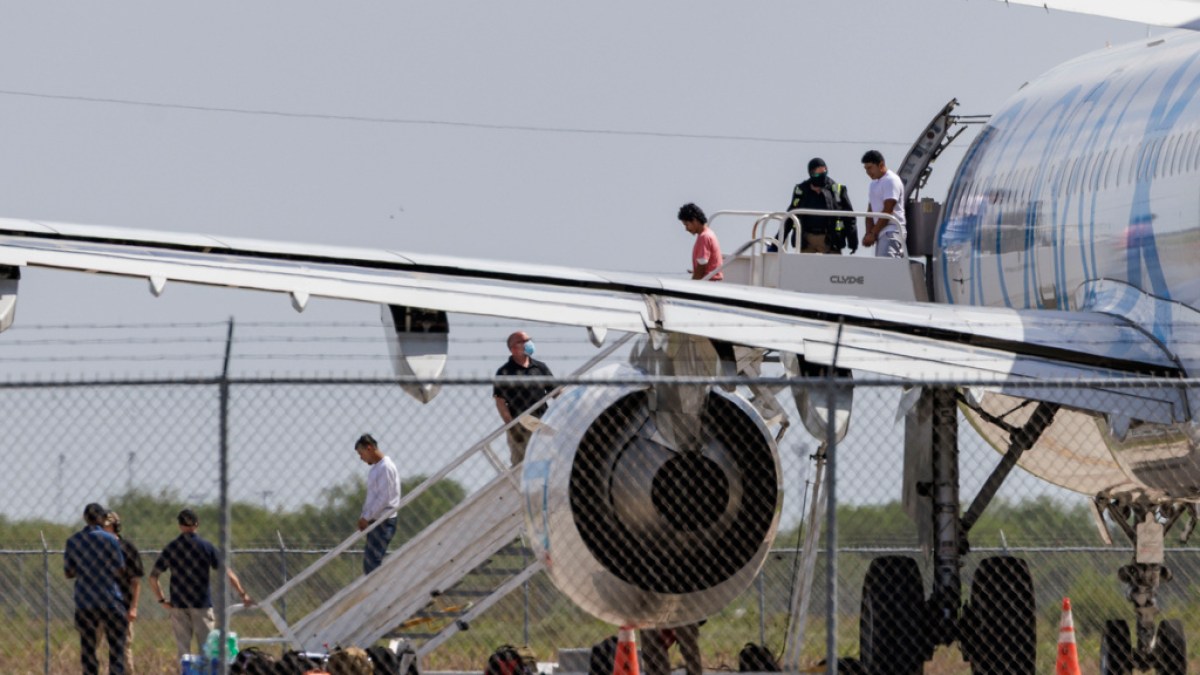
US Signs Multimillion-Dollar Deals with Foreign Countries for Deportation of Non-Citizens
The US government has signed agreements with several foreign countries to accept non-citizen deportees from the United States. Paraguay, a South American nation, has announced that it will receive an initial group of 25 Spanish-speaking deportees starting on Thursday.
According to the Paraguayan Ministry of Foreign Affairs, each case has been evaluated individually and respects national sovereignty, immigration laws, and international law. This agreement is part of a growing list of countries participating in “third-country” deportations from the US.
Other countries that have accepted such agreements include Costa Rica, El Salvador, the Democratic Republic of the Congo (DRC), Eswatini, and South Sudan. The Trump administration has approached dozens of countries to participate in these agreements, despite concerns about human rights conditions in some proposed destinations.
As part of an effort to restrict migration to the US, the government has awarded over $40 million to foreign countries as incentives for accepting deportees. Robert Alter, an official at the US Embassy in Paraguay, praised the agreement, stating that it demonstrates Washington’s close relationship with Paraguay and aims to facilitate the safe return of migrants to their countries of origin.
However, advocacy groups have raised concerns about the use of third-country deportations as an intimidation tactic. Some critics point out that some destinations are unstable, citing examples such as South Sudan, which faces a large displacement crisis, and the DRC, where a conflict continues between government forces and rebels.
The Trump administration has also faced pushback from local societies in countries that have signed agreements with the US. The Uganda Law Society and the East Africa Law Society have pledged to challenge local third-country deportations due to concerns about their legitimacy and human rights implications.
Source: Al Jazeera