Pollution persists long after conflict has ended globally
May 23, 2026 • Al Jazeera
Environmental Damage from Conflict Continues Long After Fighting Ends
The aftermath of conflict can have lasting impacts on communities and the environment. Human Rights Watch researcher Felix Horne notes that pollution caused by war can contaminate water and soil, affecting public health long after fighting has ceased.
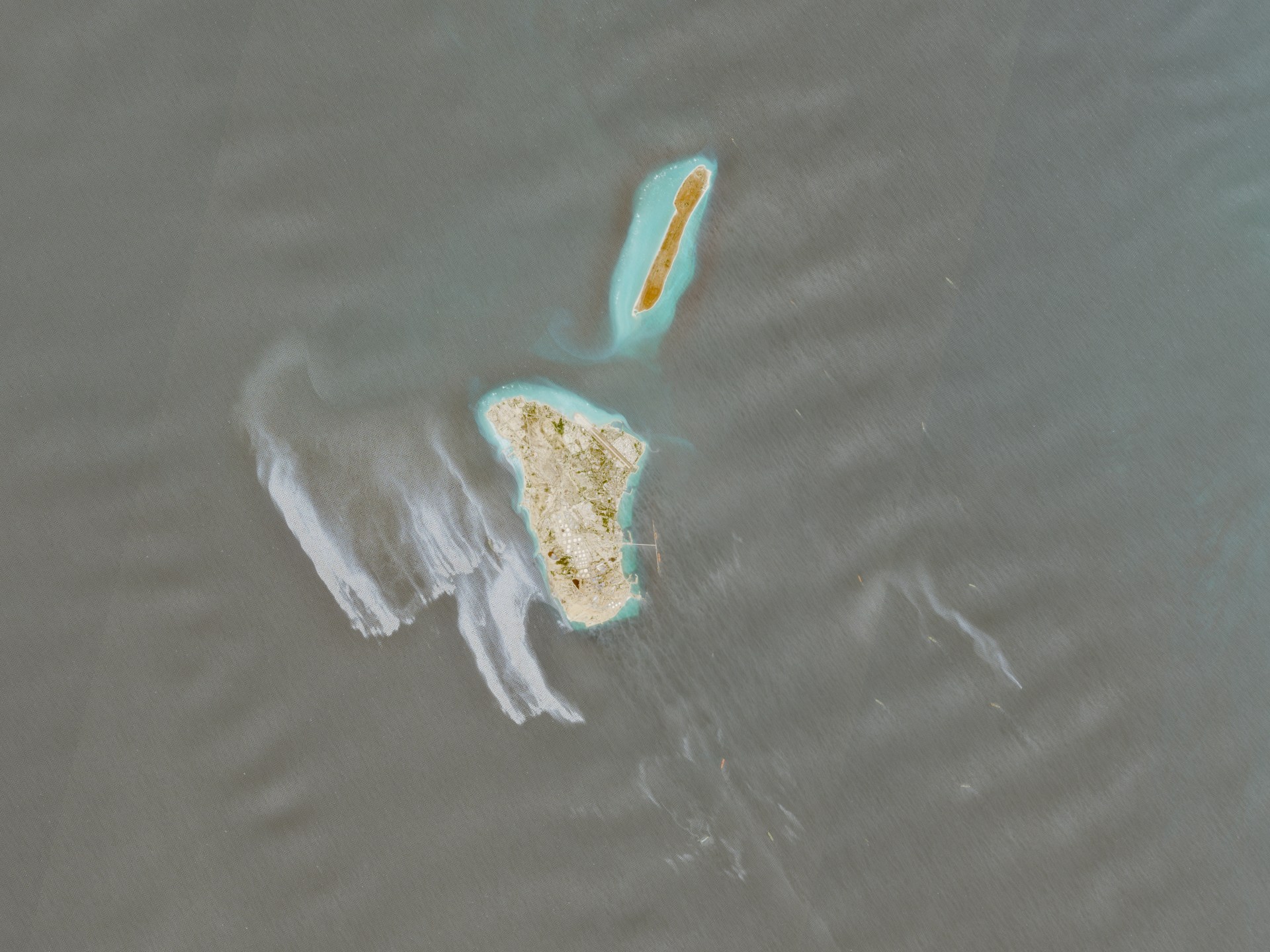
In Iran, a six-week bombardment in 2023 resulted in attacks on energy infrastructure, leading to air pollution and contamination of coastal waters and marine ecosystems. The region’s history with environmental damage is not new; during the 1991 Gulf War, retreating Iraqi forces set fire to over 600 Kuwaiti oil wells, causing widespread air pollution and health consequences.
The ongoing war in Ukraine has also created a toxic legacy, with attacks on fuel depots, industrial sites, and energy infrastructure contaminating air, rivers, and farmland. UN agencies and Ukrainian organizations have documented thousands of incidents of environmental harm since the invasion began.
Fossil fuel systems are particularly vulnerable to conflict, as they concentrate combustible fuels and hazardous chemicals. When oil depots, refineries, or pipelines are struck, fires can release toxic gases, carcinogenic particles, and residues, contaminating surrounding land and water for years.
The climate dimensions of war also contribute to environmental harm. Military activities account for an estimated 5.5 percent of global greenhouse gas emissions, largely from the burning of high-emitting fossil fuels. However, military emissions are not comprehensively included in international climate accounting.
In addition to energy systems, conflict can drive environmental harm beyond fossil fuels. When electricity collapses and fuels become scarce, households often turn to charcoal and firewood, accelerating forest loss in fragile areas. Researchers have found that deforestation frequently rises where governance weakens and fuel alternatives disappear.
The effects of war on the environment are a pressing concern, with long-lasting impacts on communities and ecosystems. As conflict continues to escalate globally, it is essential to address these environmental consequences and promote sustainable practices.
Source: Al Jazeera