Portugals Maritime Empire Drives Economic Growth Through Strategic Port Development
January 12, 2026 • Al Jazeera
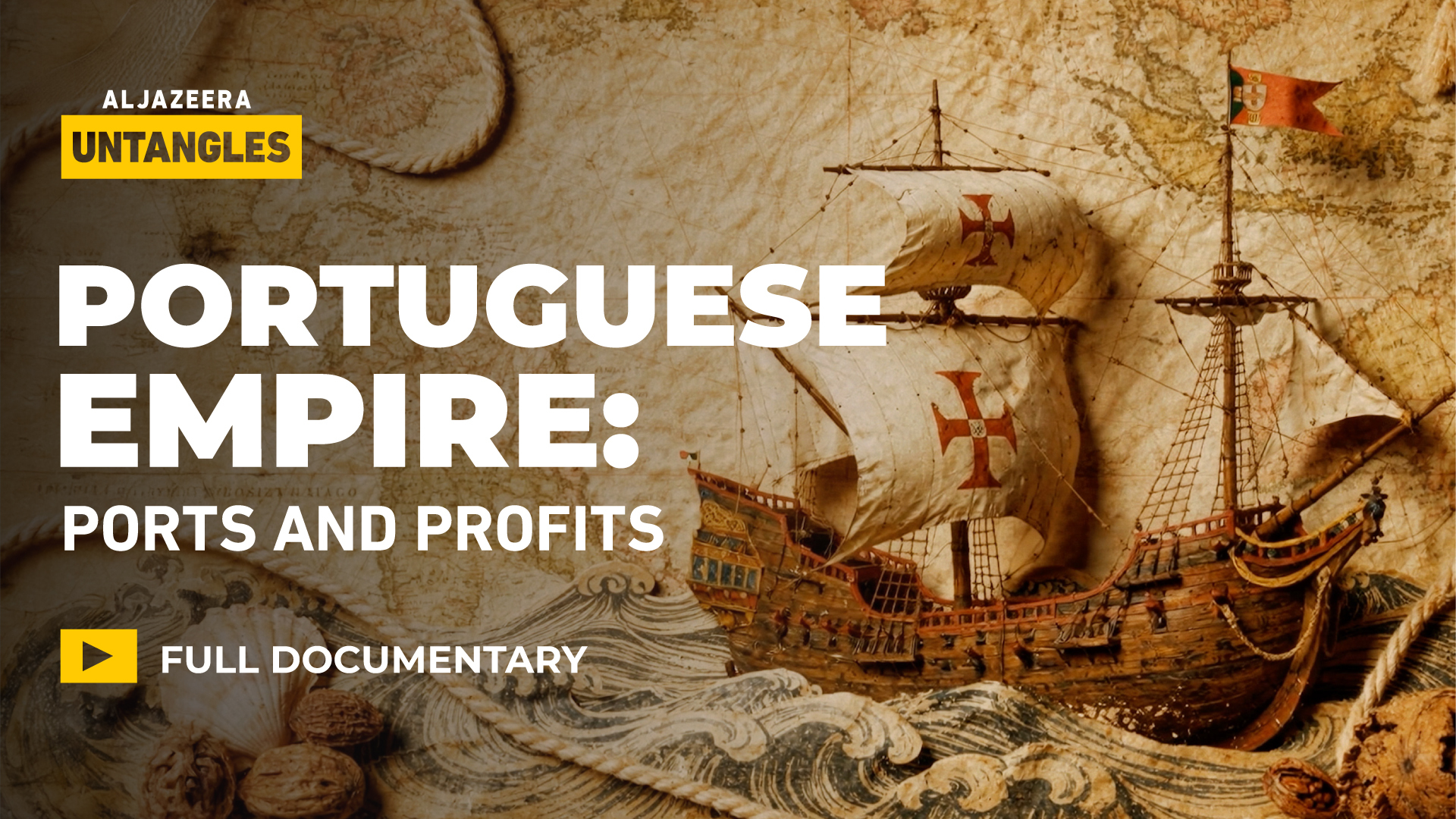
Portugal’s Global Trading Empire Expands Across Africa, Brazil, and Asia
The Portuguese Empire was established through a network of fortified ports, trade routes, and strategic alliances. The empire’s control over these maritime hubs enabled Portugal to dominate commerce across Africa, Brazil, and Asia. Missionaries accompanied merchants and military forces, providing a religious justification for the expansion.
The use of ports led to the establishment of systems of enslavement and forced labor, which were tied to the authority of the Catholic Church. Slavery became a key component of the empire’s wealth, connecting African labor to plantations and markets across the Atlantic.
Today, Portugal continues to play a significant role in global trade, with its digital infrastructure serving as an important hub linking Europe, Africa, and the Americas. The country is home to several submarine cables and data centers that facilitate international communication.
However, the legacy of colonial rule remains evident in former colonies such as Mozambique, where extractive economic structures continue to shape local economies. In Lisbon, rising tourism and foreign investment are driving displacement and increasing housing costs for local residents.
The Portuguese Empire’s model of power, centered on controlling circulation rather than territory, continues to influence global patterns of inequality. The country’s historical ties to the Catholic Church and its role in shaping modern economic systems remain significant factors in its ongoing impact on the world.
Source: Al Jazeera