Rouhanis Name Surfaces in Iran Amid Leadership Succession Vacuum
March 5, 2026 • Al Jazeera
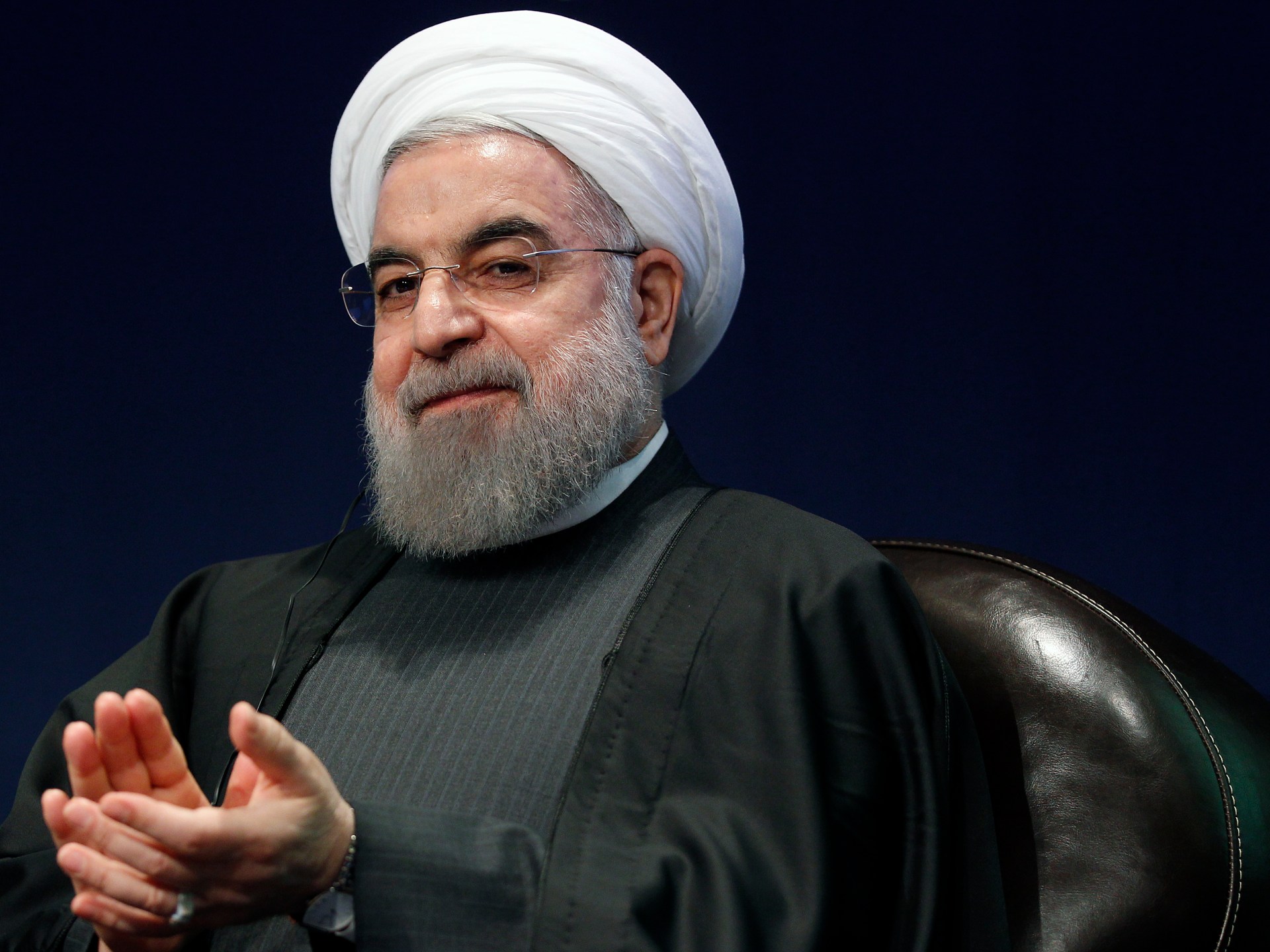
Iran’s Leadership Transition Brings Renewed Focus on Hassan Rouhani’s Legacy
Hassan Rouhani, Iran’s former president from 2013-2021, is once again in the spotlight amid the country’s leadership transition phase following Supreme Leader Ali Khamenei’s death. As the Islamic Republic navigates this sensitive period, questions about which figures will be used to calm domestic tensions and rebalance power within the system have resurfaced.
Rouhani, a Muslim leader with a doctorate in law, has a long history of involvement in Iranian politics. Born in 1948 in Sorkheh, Iran’s Semnan province, he received religious training and studied law at the University of Tehran before earning a PhD from Glasgow Caledonian University in 1999.
Rouhani’s career began after the revolution, where he was elected to the Majlis (Iran’s legislature) for five consecutive terms between 1980 and 2000. This experience gave him practical political knowledge and established relationships within the elite. His later image as a “consensus man” can be attributed to his ability to operate within the existing framework of Iranian politics.
Rouhani’s political brand is rooted in the concept of “moderation,” which he introduced during his 2013 presidential campaign. This approach aimed to balance the system’s two pillars: the “Republic” (pragmatism, governance) and the “Islamic” (ideals, clerical authority). He promised to reduce external pressure, restart economic growth, and lower domestic polarization without challenging the existing power structure.
Rouhani’s record as a negotiator is notable, particularly his leadership of Iran’s delegation in nuclear negotiations with the European troika from 2003-2005. This experience earned him a reputation as a “pragmatist” among Western diplomats, while Iranian hardliners accused him of making concessions.
In June 2013, Rouhani won the presidency with over 50% of the vote, avoiding a run-off in an election that saw high turnout. His signature achievement was the 2015 nuclear agreement, the Joint Comprehensive Plan of Action (JCPOA), negotiated between Iran and the P5+1. The deal lifted sanctions and allowed Iran access to $100bn in frozen assets in exchange for major caps on its nuclear program.
As the Islamic Republic navigates its leadership transition, Rouhani’s legacy as a pragmatist and moderate leader is being reevaluated. His background and experience make him a potential candidate to calm domestic tensions and rebalance power within the system.
Source: Al Jazeera