Rural Zimbabwean Women Face Uncertainty Over e-Tricycle Crackdown Policies
June 3, 2026 • Al Jazeera
Zimbabwe’s E-Tricycle Scheme Faces Challenges in Rural Areas
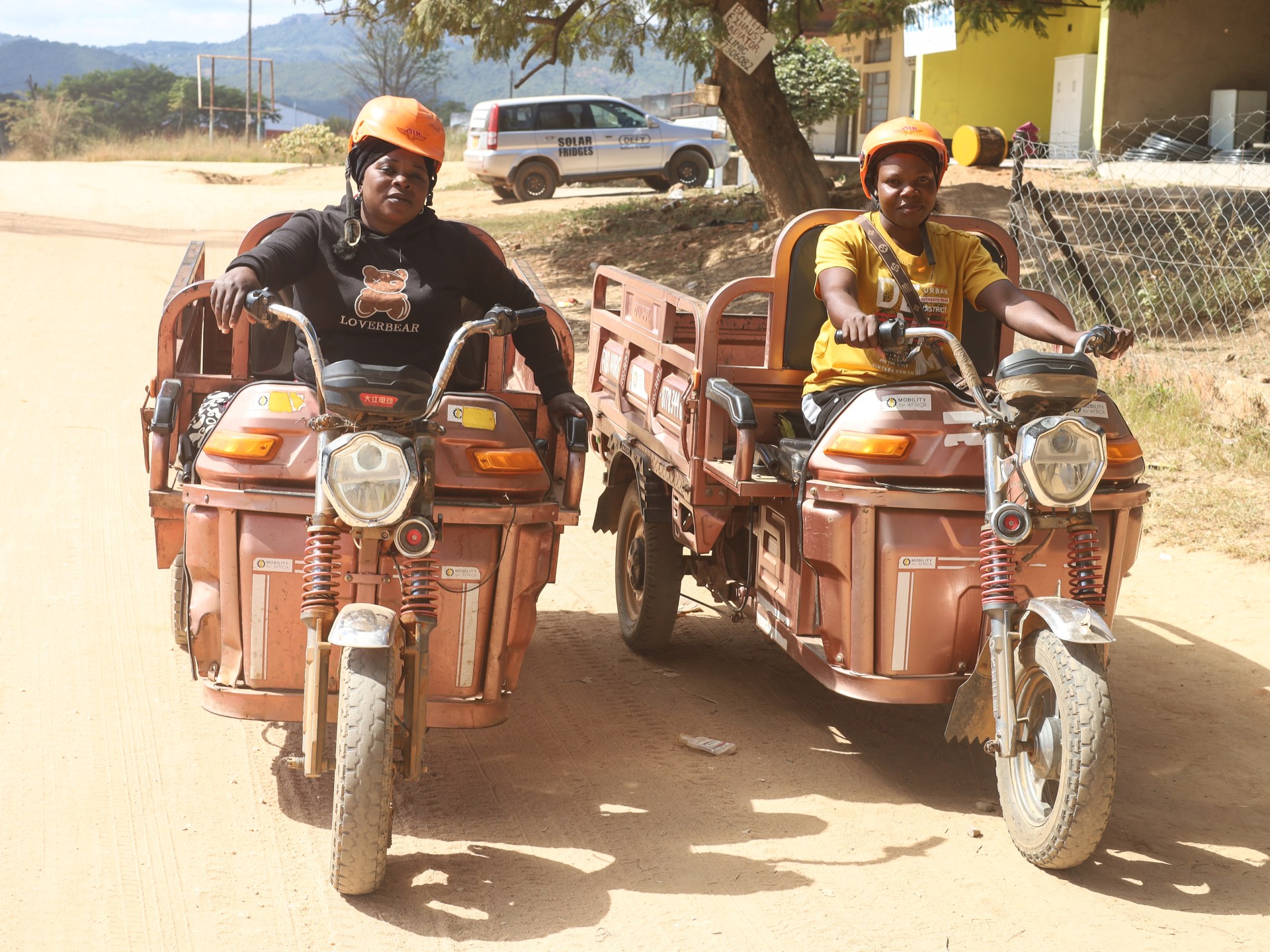
In eastern Zimbabwe, a group of rural women who operate e-tricycles are facing difficulties due to high fees, licensing requirements, and police enforcement. Daires Mutamangira, one of the recipients of an e-tricycle program, was recently arrested by traffic police while ferrying customers along a dusty footpath in Hauna.
Mutamangira was fined $15 on the spot for not having her driver’s license and registration documents. The incident highlights a growing police crackdown on e-tricycles in rural areas such as Hauna and Chipinge in Manicaland Province.
The annual registration and licensing costs for e-tricycles amount to nearly $500, which is beyond the reach of 300 rural women who operate these vehicles. Most of these women are single mothers and widows trying to make a living. The e-tricycles were introduced to empower women in rural areas, particularly in farming communities where they can carry goods weighing up to 450kg.
The program has been supported by Mobility for Africa, a local startup, which provides the tricycles to the women at a small fee and allows them to swap batteries at a charging center. However, after police impounded several e-tricycles, the authorities demanded that the organization comply with licensing requirements.
Mobility for Africa’s Hauna site coordinator, Sikhangezile Dube, stated that the organization had engaged with the authorities but was told to stop operations and submit papers to register some of their e-tricycles. However, there has been no progress in this regard.
The e-tricycle program is seen as a source of income for many women, including Mutamangira, who transports goods for a fee and pays all household bills. The community also relies on e-tricycles as makeshift ambulances to transport women in labor and the sick to the nearby hospital due to a chronic shortage of ambulances.
The police enforcement has forced some women to stop working, leaving them struggling to make ends meet. Mutamangira stated that she was left struggling after being forced to stop working due to the police crackdown.
Source: Al Jazeera