Russia to explore potential economic ties with Iran
April 29, 2026 • Al Jazeera
Iran Seeks Alternative Trade Routes with Russia Amid Economic Challenges
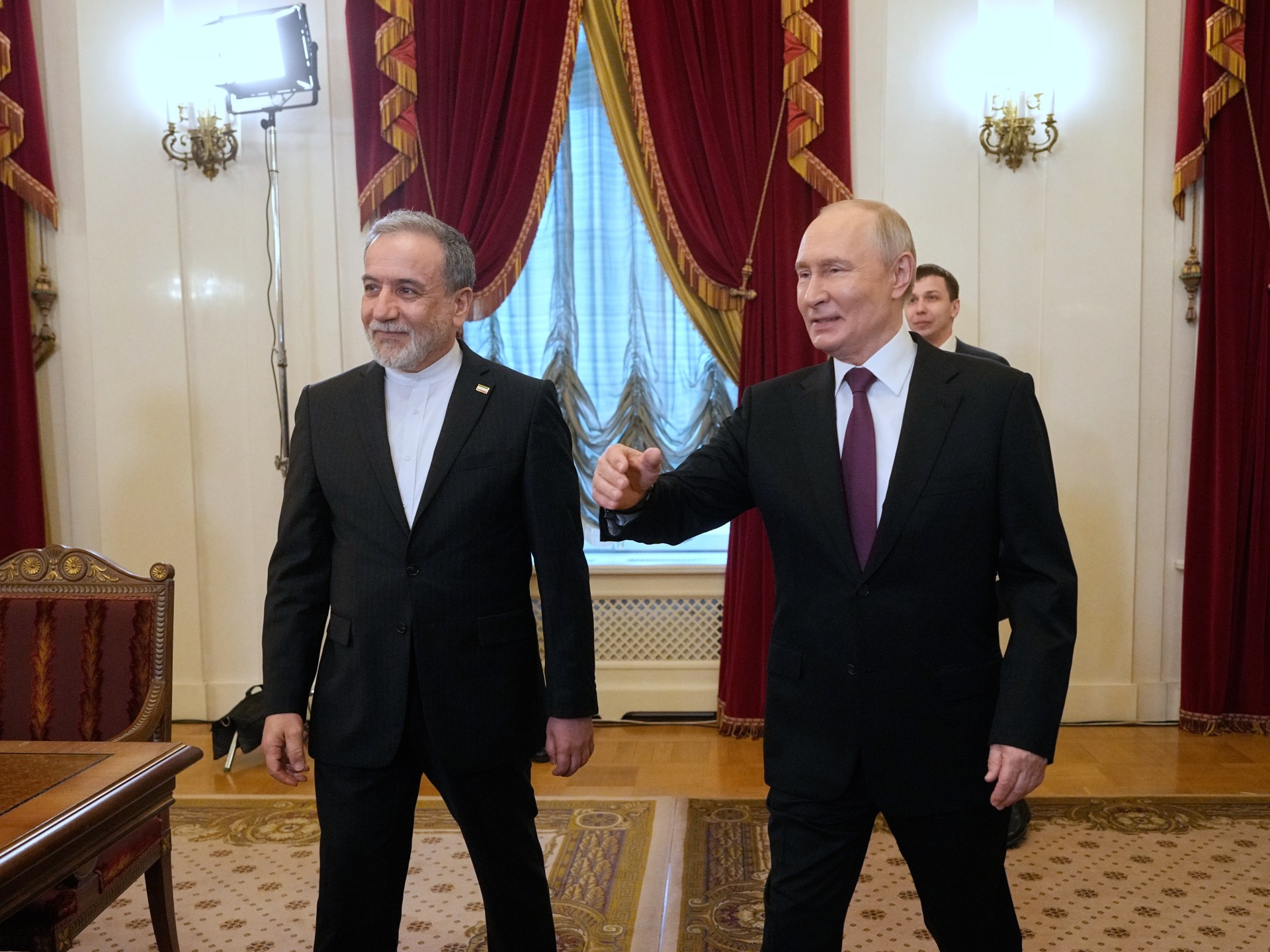
Tehran is exploring alternative trade routes with Moscow as it faces economic difficulties due to a prolonged blockade of the Strait of Hormuz. Iranian Foreign Minister Abbas Araghchi recently met with Russian President Vladimir Putin in St Petersburg, where they discussed the war, sanctions, and the future of the Strait.
Economic relations between Iran and Russia have deepened since the US withdrew from the 2015 nuclear deal with Iran and other nations in 2018, reimposing sweeping sanctions on Tehran. The two countries have turned to sanctions-evasion networks, alternative payment systems, and non-Western trade corridors to maintain trade.
Current trade is dominated by agricultural products, machinery, metals, timber, fertilizers, and industrial inputs. Bilateral trade has increased by 16% since 2024, driven largely by Russian exports of grain, metals, machinery, and industrial goods. However, experts say that the overall trade relationship remains relatively modest compared to Iran’s trade with China or Gulf countries.
The International North-South Transport Corridor (INSTC) is a key route for Russia-Iran trade, linking southern Russian ports to northern Iranian ports via the Caspian Sea. Goods move through this network, bypassing Western-controlled maritime routes. Analysts say that while this route can provide a “viable but partial lifeline,” it may not offer long-term incentives due to logistical issues and costs.
Russian Energy Minister Sergey Tsivilyov stated that trade turnover reached $4.8 billion last year, but experts believe the potential for mutual trade is greater. Mahdi Ghodsi, an economist at the Vienna Institute for International Economic Studies, noted that both countries produce similar products, making the industries comparable.
Naeem Aslam, chief market analyst at Think Markets, added that Russian ports are already prepared for a surge in grain, metals, timber, and refined products. However, analysts agree that the Strait of Hormuz offers a scale and efficiency that rail and land corridors cannot easily replicate.
Source: Al Jazeera